How Split Payments Make Restaurant Billing Easier
Introduction
Splitting bills is a common part of restaurant dining. Whether customers are dining with friends, family or colleagues, they may prefer to pay separately rather than share one bill. Managing these requests manually can take extra time and sometimes lead to billing mistakes.
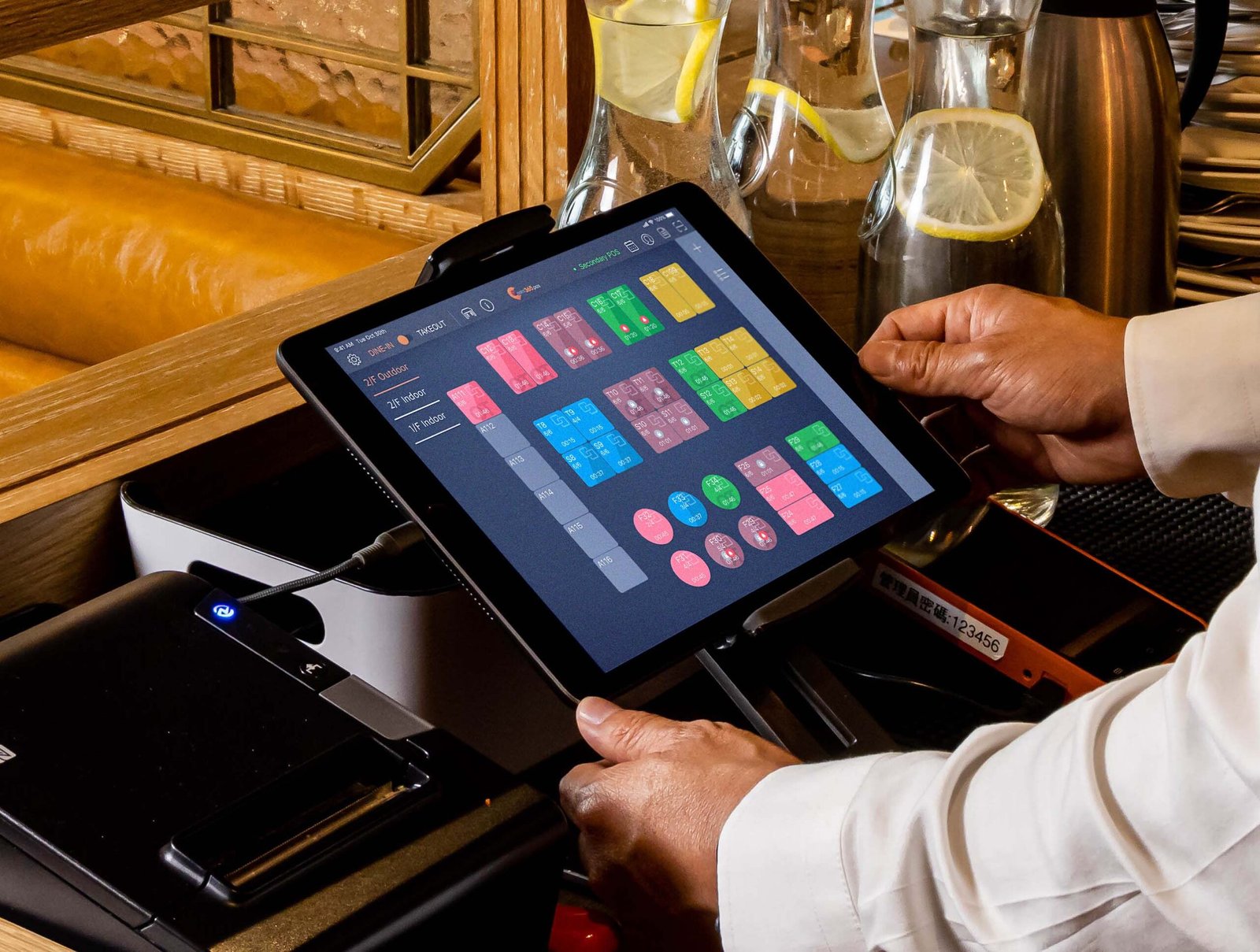
A modern restaurant POS system makes this process easier with split payment features. It allows staff to divide bills, accept different payment methods and complete transactions more efficiently.

In this blog, we will explore how split payments make restaurant billing easier and improve the overall dining experience.
1. Makes Group Payments Easier
When a group of customers visits a restaurant, they may want to pay for their own meals instead of sharing the total bill.
Without a split payment feature, staff may need to calculate individual amounts manually, which can be time-consuming.
With a restaurant POS system, staff can divide the bill between multiple customers, making group payments quicker and easier.
2. Reduces Billing Errors
Manually calculating individual bills can lead to incorrect amounts, especially when customers order different meals or share dishes.
A POS system helps reduce these mistakes by automatically calculating the amounts when splitting a bill.
This ensures each customer is charged the correct amount and helps staff avoid unnecessary confusion during checkout.
3. Supports Multiple Payment Methods
Customers may prefer different payment methods when paying their bills. One customer might want to pay by EFTPOS, while another prefers cash.
A POS system with split payment functionality allows restaurants to accept different payment methods within the same transaction.
For example:
- One customer pays by cash.
- Another customer pays by EFTPOS.
- The remaining balance is paid using another card.
This provides greater flexibility for customers and makes the payment process more convenient.
4. Saves Time During Busy Hours
During busy periods, restaurant staff need to serve customers and process payments quickly.
Handling multiple individual payments manually can slow down the checkout process and create queues.
Split payment functionality helps staff manage these requests more efficiently, reducing unnecessary calculations and allowing them to serve more customers.
5. Improves Customer Experience
Customers appreciate having flexible payment options, especially when dining in groups.
Allowing customers to pay separately gives them more control over their bills and avoids the awkwardness of calculating who owes what.
A smooth and convenient payment experience can leave customers with a positive impression of the restaurant.
6. Simplifies Restaurant Operations
A POS system helps staff manage payments directly through the billing interface instead of relying on manual calculations.
It also helps maintain accurate transaction records, making it easier for restaurant owners and managers to review sales and payment information.
This improves payment management and reduces the workload for restaurant staff.
Conclusion
Split payments may seem like a small feature, but they can make a significant difference in everyday restaurant operations. From reducing billing errors to saving time and improving customer satisfaction, this functionality makes restaurant billing more convenient for both staff and customers.
Choosing a restaurant POS system with flexible payment options can help businesses manage transactions more efficiently and deliver a better dining experience.
Looking for a reliable restaurant POS system? DibPOS by Dibtech offers restaurant management and payment features designed to simplify everyday restaurant operations.