Why Table Management Is Important for Restaurant Efficiency
Managing a restaurant involves more than taking orders and serving food. From handling customer reservations to managing occupied tables and coordinating orders with the kitchen, every task plays an important role in keeping restaurant operations running smoothly. Without an organised system, restaurants may experience delayed service, order confusion and poor table utilisation.
A restaurant POS system with table management features helps restaurant owners and staff manage these tasks more efficiently, improve customer service and make better use of available seating.
1. Improve Table Organisation
Keeping track of available, occupied and reserved tables can be challenging, especially during busy hours. Without a proper system, staff may struggle to identify which tables are ready for new customers.
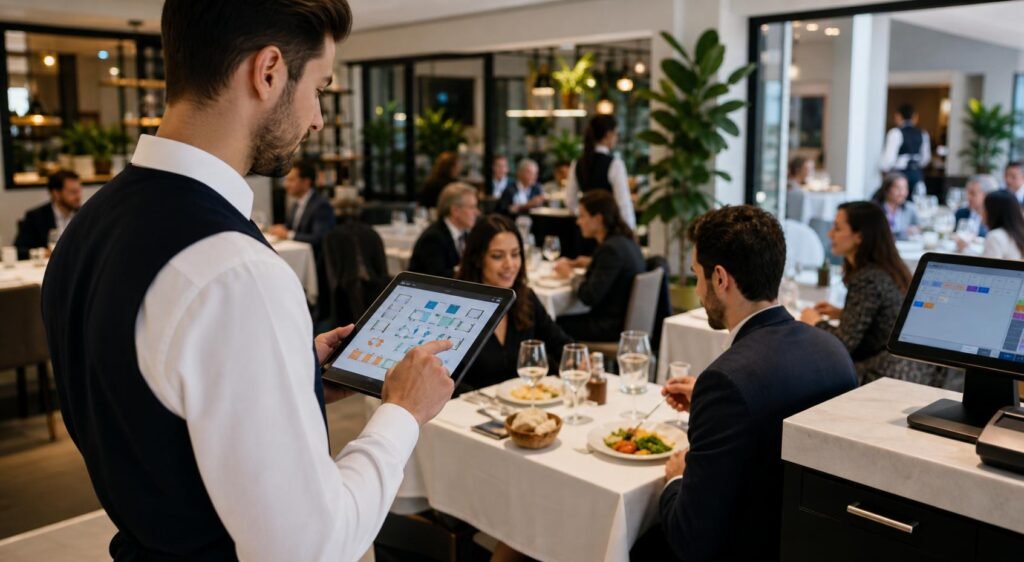
A table management feature allows staff to view the restaurant’s floor layout and check table status in real time. This makes it easier to assign tables, manage seating and avoid unnecessary confusion.
2. Reduce Customer Waiting Times
Long waiting times can negatively affect the dining experience. When staff do not have clear information about table availability, customers may end up waiting longer than necessary.
With a restaurant POS system, staff can quickly identify vacant tables and assign incoming customers. This helps restaurants manage seating more effectively and reduce delays during peak hours.
3. Improve Order Accuracy and Communication
Managing multiple tables and customer orders at the same time can lead to mistakes, particularly during busy periods.
A POS system connects table assignments with customer orders, helping staff keep track of which orders belong to which tables. It also helps communicate orders to the kitchen, reducing confusion and improving order accuracy.
4. Increase Table Turnover
Table turnover refers to how frequently a restaurant serves different customers at the same table during operating hours.
Efficient table management helps staff monitor occupied tables, complete orders and prepare tables for the next customers. By reducing unnecessary delays between customers, restaurants can serve more people without needing additional seating.
5. Simplify Bill Management and Payments
Handling bills for multiple tables can become complicated, especially when customers request separate bills or want to split payments.
An integrated POS system makes it easier to manage orders and payments against individual tables. Staff can review the items ordered, process payments and close bills more efficiently.
6. Improve Staff Coordination
Restaurant staff need to communicate constantly to manage orders, serve customers and keep tables organised.
A centralised table management system gives staff a clear overview of restaurant operations. Waiters can identify table statuses, check pending orders and coordinate with kitchen staff more effectively.
7. Make Better Business Decisions
Understanding how tables are being used can help restaurant owners improve their operations.
By reviewing POS reports, restaurant managers can identify busy periods, monitor sales performance and understand customer demand. This information can help with staff scheduling, seating arrangements and overall restaurant planning.
How DibPOS Helps Restaurants Manage Tables Efficiently
DibPOS provides restaurant businesses with tools to simplify everyday operations. With table management integrated into the POS system, staff can manage tables, process orders, track payments and coordinate restaurant activities from one platform.
By combining table management with order processing, kitchen communication and sales reporting, DibPOS helps restaurants maintain organised operations and deliver a better dining experience.
Conclusion
Effective table management is essential for maintaining smooth restaurant operations. It helps reduce customer waiting times, improve order accuracy, increase table utilisation and simplify staff coordination.
With the right restaurant POS system, businesses can manage their tables more efficiently, serve customers better and create a more organised dining environment.