
Advantages of POS Systems for Better Sales Tracking
In today’s competitive business environment, keeping track of sales accurately is essential for growth and success. Businesses must understand what products sell the most, when customers make purchases, and how revenue flows through the company. Traditional methods of tracking sales, such as manual records or spreadsheets, can be time-consuming and prone to errors. This is where a Point of Sale (POS) system becomes a valuable tool. A modern POS system helps businesses monitor sales efficiently, analyze performance, and make smarter decisions.
Real-Time Sales Monitoring
One of the biggest advantages of a POS system is the ability to track sales in real time. Every transaction made at the counter is automatically recorded in the system. This means business owners and managers can see exactly how much they are selling at any moment during the day.
Real-time sales tracking allows businesses to stay updated on their performance without waiting for end-of-day reports. If a product is selling quickly, the system immediately reflects it. This helps businesses respond faster by restocking items or adjusting strategies.
Accurate Sales Records
Manual sales tracking often leads to mistakes such as incorrect entries or missing records. POS systems eliminate these problems by automatically recording each sale. The system captures important information such as the product name, quantity sold, price, and time of purchase.
Because all transactions are digitally stored, businesses can rely on accurate data for reporting and analysis. Accurate sales records also make financial management easier and reduce the chances of human error.
Detailed Sales Reports
Another major benefit of POS systems is the ability to generate detailed sales reports. Businesses can view daily, weekly, monthly, or yearly reports that show overall performance. These reports help business owners identify trends, peak sales hours, and top-selling products.
For example, a restaurant can see which menu items are the most popular, while a retail store can identify which products generate the highest revenue. With this information, businesses can focus on promoting successful products and improving less popular ones.
Better Inventory Management
Sales tracking and inventory management are closely connected. When a product is sold through a POS system, the inventory is automatically updated. This helps businesses know exactly how much stock is available at any time.
Accurate inventory tracking prevents problems such as overstocking or running out of popular products. By analyzing sales data, businesses can also predict future demand and plan inventory more effectively.
Improved Decision Making
POS systems provide valuable insights that help businesses make informed decisions. By analyzing sales patterns and customer preferences, businesses can adjust pricing strategies, create better promotions, and optimize product offerings.
For instance, if sales data shows that certain products sell more during weekends, businesses can plan special promotions during that time to increase revenue. Data-driven decisions lead to smarter business strategies and better results.
Faster and Efficient Operations
POS systems also improve operational efficiency. Since sales are automatically recorded and processed, employees spend less time on manual tasks. This allows staff to focus more on customer service and business operations.
Faster checkout processes also improve the overall shopping experience for customers. When transactions are quick and accurate, customers are more likely to return, which contributes to increased sales.
Easy Access to Sales Data
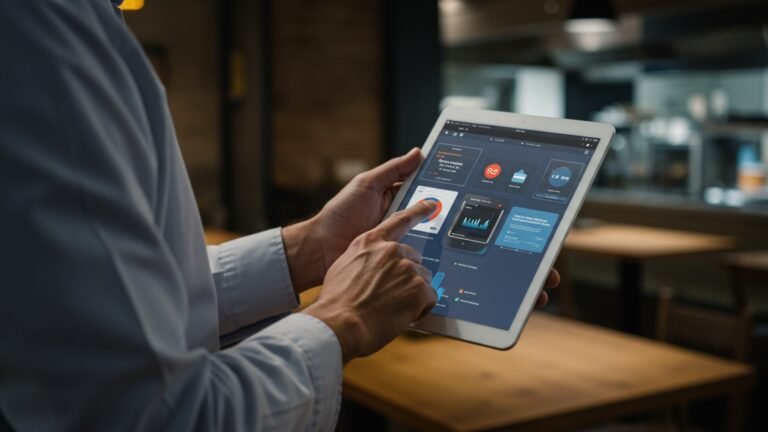
Modern POS systems often include cloud-based features, allowing business owners to access sales data from anywhere. Whether using a computer, tablet, or smartphone, managers can review sales performance even when they are not physically present at the store.
This remote access is especially useful for businesses with multiple locations, as it allows centralized monitoring of all sales activities.
Conclusion
POS systems have become an essential tool for businesses that want better control over their sales operations. By providing real-time tracking, accurate records, detailed reports, and better inventory management, POS systems help businesses understand their performance and improve efficiency.