Boost Your Bottom Line: POS Systems as a Growth Engine
In today’s fast-paced and competitive business environment, growth isn’t just about attracting new customers—it’s about optimizing every part of your operations to increase profitability. One of the most powerful tools driving this transformation is the Point of Sale (POS) system. Far beyond just processing transactions, modern POS systems act as a growth engine, helping businesses streamline operations, improve customer experience, and ultimately boost their bottom line.
1. POS Systems Go Beyond Payment Processing
Gone are the days when POS systems were merely cash registers. Today’s smart POS solutions are data-driven management tools that give business owners deep insights into sales trends, inventory levels, employee performance, and customer preferences—all in real time.
Whether you run a retail store, cafe, or restaurant, a modern POS provides a 360-degree view of your business operations. This visibility helps you identify opportunities for improvement, cut unnecessary costs, and make more informed decisions that lead directly to business growth.
2. Enhanced Efficiency and Time Savings
Efficiency is the backbone of profitability. POS systems automate time-consuming manual tasks—such as order entry, inventory tracking, and report generation—freeing up valuable time for you and your staff.
For example, a cafe using a POS system can automatically track ingredient usage as each drink or meal is sold, alerting managers when supplies are running low. This prevents over-ordering or waste, saving money while ensuring consistent product availability.
By streamlining daily operations, businesses can serve more customers in less time, improve productivity, and reduce the risk of human error—all of which contribute to higher profits.
3. Data-Driven Decision Making
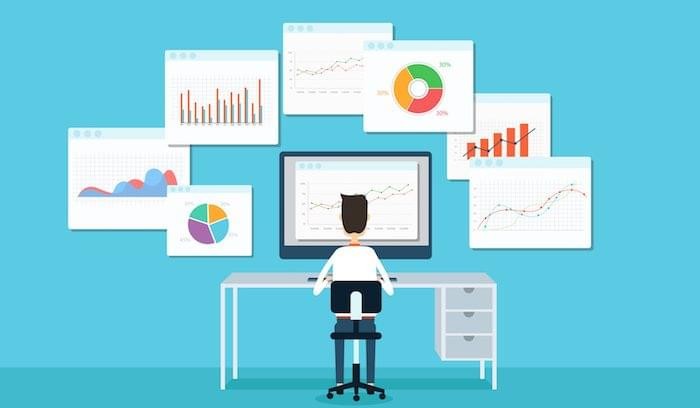
One of the most valuable advantages of a POS system is access to real-time analytics. Every transaction captured through your POS contributes to a treasure trove of business data. This information can be used to analyze top-selling products, track customer buying habits, and identify low-performing items.
With these insights, you can make smarter business decisions—like adjusting your pricing strategy, running targeted promotions, or reordering high-demand products. For restaurants and cafes, understanding which dishes or drinks sell best at certain times of day can help you optimize menus and plan more effective upselling strategies.
4. Improved Customer Experience
Customer satisfaction is a major driver of repeat business and long-term growth. A good POS system enhances the customer experience in multiple ways.
- Faster checkout: Streamlined payment processing reduces wait times.
- Personalized service: POS systems store customer data, allowing you to offer loyalty programs, discounts, and personalized recommendations.
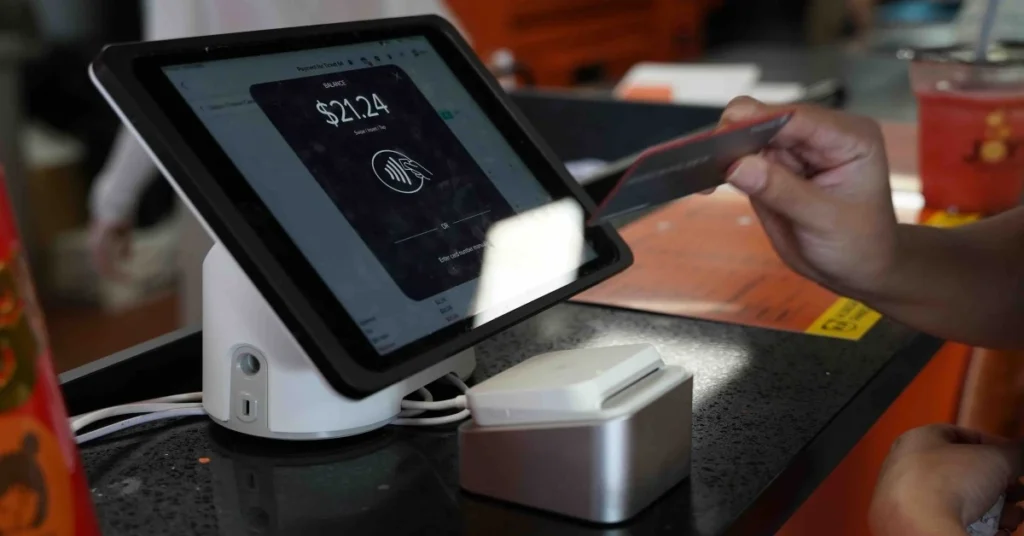
- Multiple payment options: Accepting digital wallets, cards, and contactless payments adds convenience and flexibility.
When customers feel valued and enjoy a seamless transaction experience, they’re more likely to return—and refer others. This organic growth directly strengthens your bottom line.
5. Smarter Inventory and Cost Control
Overstocking ties up your cash flow, while understocking leads to lost sales. A POS system’s automated inventory management keeps you in the sweet spot—stocking just the right amount of each product.
For cafes and restaurants, real-time tracking ensures ingredients are always available for best-selling menu items, while also identifying slow-moving goods that might be discounted or phased out. These small but critical adjustments keep waste low and profit margins high.
6. Employee Performance and Accountability
Modern POS systems track employee sales and productivity metrics, helping managers identify top performers and areas for improvement. Transparent data encourages accountability, promotes fair reward systems, and boosts staff motivation.
For example, a restaurant can track which servers consistently upsell desserts or beverages, then use this data to train other team members—creating a culture of performance that enhances overall sales.
7. Scalability for Future Growth
As your business grows, your POS system grows with you. Cloud-based POS platforms allow multi-location management, centralized reporting, and seamless integration with accounting, CRM, and delivery apps. This scalability ensures your technology supports your long-term goals rather than holding you back.
Final Thoughts
A POS system is no longer just a point of sale—it’s a point of growth. By combining automation, data intelligence, and customer-centric features, it empowers businesses to operate smarter, not harder.
Whether you’re running a small cafe, a bustling restaurant, or a growing retail brand, the right POS system can be the engine that drives your profitability to new heights.