Business Growth Powered by POS-Driven Product Intelligence

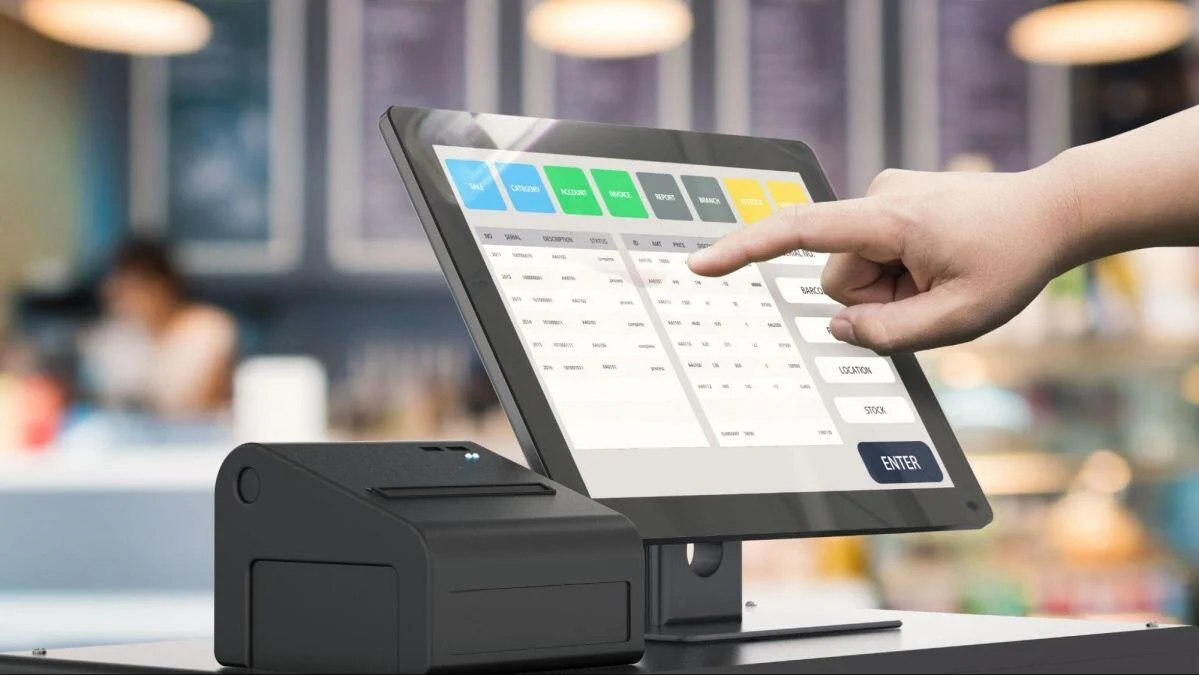
In today’s fast-moving business environment, growth is no longer driven by guesswork or intuition alone. Product-based businesses must rely on accurate, real-time insights to stay competitive and profitable. This is where POS-driven product intelligence plays a vital role. Modern Point of Sale (POS) systems transform everyday sales transactions into valuable data that fuels smarter decisions, stronger strategies, and sustainable business growth.
Product intelligence refers to the ability to understand how products perform, how customers interact with them, and how product categories contribute to overall revenue. A POS system acts as the foundation for collecting and analyzing this intelligence, making it an essential tool for growth-focused businesses.
Turning Sales Data into Product Intelligence
Every sale generates data, but without a POS system, much of this information remains unused. POS systems automatically capture product-level details such as quantity sold, pricing, time of purchase, and category performance. Over time, this data builds a clear picture of what truly drives sales.
With access to this intelligence, businesses can identify best-selling products, recognize seasonal trends, and understand customer preferences. These insights help leaders move from reactive decisions to proactive growth strategies based on real performance.
Smarter Product Decisions Through Real-Time Insights
One of the key strengths of POS-driven product intelligence is real-time visibility. Businesses no longer need to wait for end-of-day or end-of-month reports. Live dashboards show which products and categories are performing well at any moment.
This immediate insight allows businesses to respond quickly to demand changes. If a product suddenly gains popularity, stock can be replenished instantly. If another product slows down, promotions or pricing adjustments can be applied before losses occur. Faster decisions directly support revenue growth and customer satisfaction.
Optimizing Product Categories for Higher Profitability
Not all products contribute equally to growth. POS systems provide category-level intelligence that reveals which product groups generate the most profit and which consume resources without delivering results.
By analyzing category performance, businesses can optimize shelf space, refine product assortments, and focus investments on high-performing categories. Removing or replacing low-performing products frees up capital and operational capacity, creating room for expansion and innovation.
Inventory Efficiency Driven by Product Insights
Inventory management is closely linked to product intelligence. POS systems track stock levels automatically, updating inventory after every sale. This ensures accurate counts and prevents common issues such as overstocking or stockouts.
POS-driven reports highlight fast-moving products that need frequent replenishment and slow-moving items that tie up cash. With these insights, businesses can plan smarter purchasing cycles, reduce waste, and improve cash flow. Efficient inventory management is a powerful driver of long-term growth.
Data-Backed Pricing and Promotion Strategies
Pricing decisions have a direct impact on profitability and growth. POS systems provide detailed insights into product margins, discount performance, and sales volume. This allows businesses to adjust pricing based on actual customer behavior rather than assumptions.
Product intelligence also helps evaluate the effectiveness of promotions. Businesses can see which discounts increase sales and which fail to deliver results. Over time, this leads to smarter promotional strategies that boost revenue without hurting profit margins.
Supporting Expansion and Scalability
As businesses grow, managing product data across multiple locations becomes increasingly complex. POS systems centralize product intelligence, ensuring consistency in pricing, categories, and reporting across all outlets.
This centralized control allows leadership to compare product performance across locations, identify regional preferences, and replicate successful strategies. With reliable product intelligence, expansion becomes more structured, controlled, and profitable.
Building a Growth-Focused Product Strategy
POS-driven product intelligence empowers businesses to think strategically about growth. Instead of relying on instinct, leaders can plan product launches, expansions, and investments based on proven data.
Understanding what customers buy, when they buy, and why they buy helps businesses stay aligned with market demand. Over time, these insights shape a product strategy that evolves with customer needs and supports sustainable growth.
Conclusion
Business growth powered by POS-driven product intelligence is built on clarity, control, and confidence. By transforming sales data into actionable insights, POS systems help businesses optimize products, categories, inventory, and pricing. In a product-centric world, the intelligence provided by POS systems is not just helpful—it is the engine that drives smarter decisions and long-term business success.