How Customer Data Can Improve Marketing Campaigns
Successful marketing is no longer about sending the same promotion to every customer. Modern businesses have access to valuable customer data that helps them understand buying habits, preferences, and spending patterns. When used effectively, this information allows businesses to create personalized marketing campaigns that attract new customers, encourage repeat visits, and increase sales.
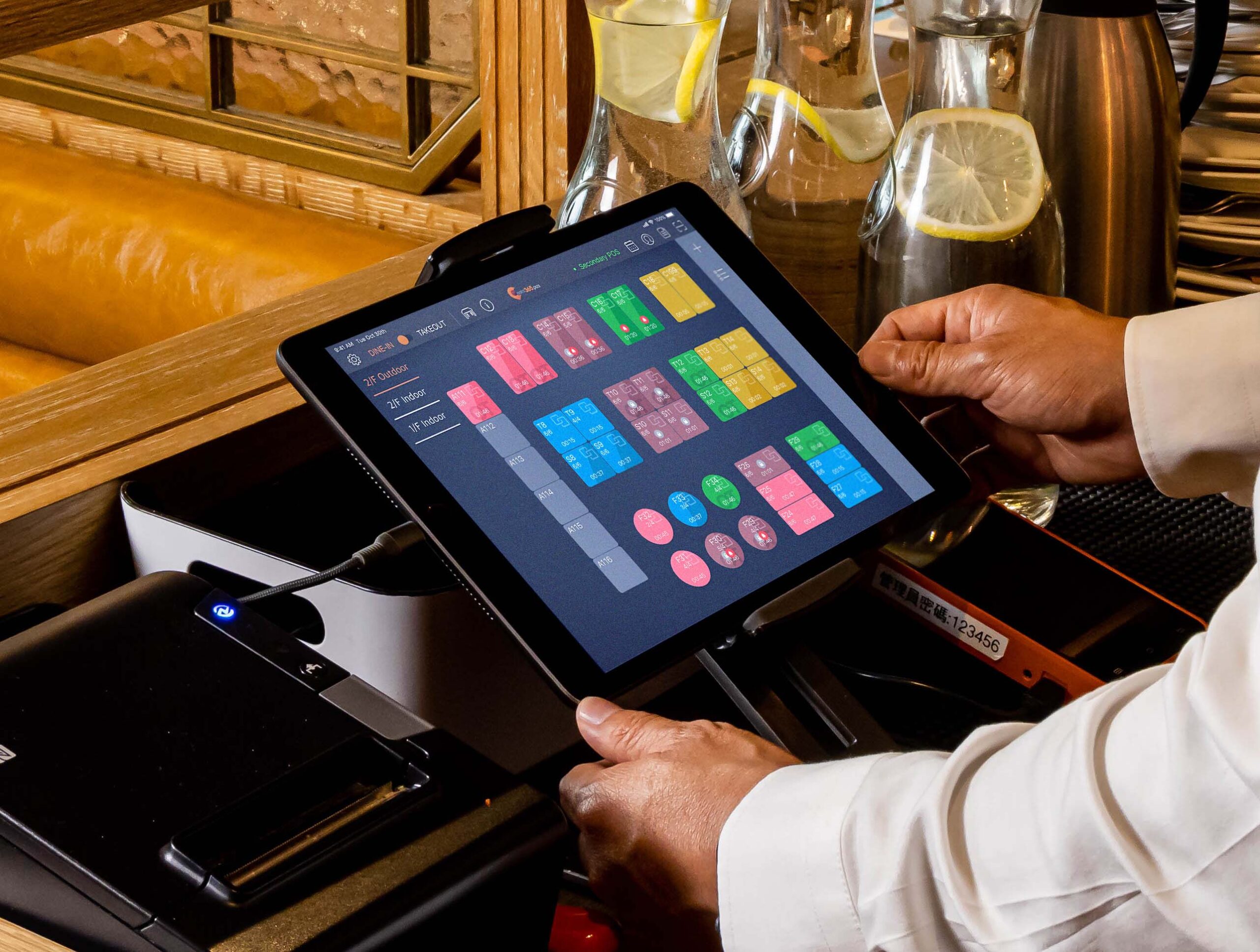
A modern POS system collects customer data during everyday transactions, providing insights that can help businesses make smarter marketing decisions. In this article, we’ll explore how customer data can improve marketing campaigns and contribute to long term business growth.

Why Customer Data Matters
Every customer interaction provides useful information. From purchase history to visit frequency, customer data helps businesses understand what their customers want and how they shop.
Instead of relying on guesswork, businesses can use real data to:
- Create targeted promotions
- Improve customer engagement
- Increase repeat business
- Build stronger customer relationships
- Measure the success of marketing campaigns
By understanding customer behaviour, businesses can deliver the right message to the right audience at the right time.
What Customer Data Can a POS System Collect?
A modern POS system can collect a wide range of customer information, including:
- Purchase history
- Favourite products or services
- Visit frequency
- Average spending
- Preferred payment methods
- Loyalty program activity
- Birthday or anniversary information (if provided)
- Contact details such as email or phone number (with customer consent)
This information gives businesses a clearer picture of their customers and helps create more effective marketing strategies.
1. Create Personalised Promotions
Customers are more likely to respond to offers that match their interests.
For example:
- Offer discounts on products customers buy regularly.
- Recommend complementary products based on previous purchases.
- Send exclusive offers to loyal customers.
- Provide birthday rewards or anniversary discounts.
Personalised promotions make customers feel valued while increasing the likelihood of repeat purchases.
2. Segment Your Customers
Not every customer behaves the same way. Customer segmentation allows businesses to group customers based on shared characteristics.
Common customer segments include:
- New customers
- Returning customers
- High spending customers
- Inactive customers
- Frequent buyers
- Seasonal shoppers
Each group can receive different marketing messages that are more relevant to their needs.
For example, inactive customers may receive a special discount to encourage them to return, while loyal customers can be rewarded with exclusive offers.
3. Improve Email Marketing Campaigns
Email marketing becomes far more effective when supported by customer data.
Instead of sending the same email to everyone, businesses can send:
- Product recommendations
- Limited time offers
- New product announcements
- Loyalty rewards
- Personalised discounts
Relevant emails are more likely to be opened, resulting in higher engagement and increased sales.
4. Build Stronger Loyalty Programs
Customer data helps businesses identify their most valuable customers.
By tracking purchase frequency and spending habits, businesses can:
- Reward loyal customers
- Offer exclusive promotions
- Encourage repeat visits
- Increase customer lifetime value
Loyalty programs become much more effective when rewards are tailored to customer behaviour rather than offering generic discounts.
5. Identify Best Selling Products
Sales reports and customer purchase data reveal which products are most popular.
Businesses can use this information to:
- Promote top selling products
- Bundle related products together
- Introduce similar products
- Optimise inventory levels
Marketing campaigns that feature products customers already enjoy are more likely to generate additional sales.
6. Recover Lost Customers
Every business has customers who stop visiting over time.
Customer data makes it easier to identify inactive customers and encourage them to return.
Examples include:
- “We miss you” discount offers
- Limited time promotions
- New product announcements
- Loyalty point reminders
These campaigns often cost less than acquiring new customers while helping to increase repeat business.
7. Measure Marketing Performance
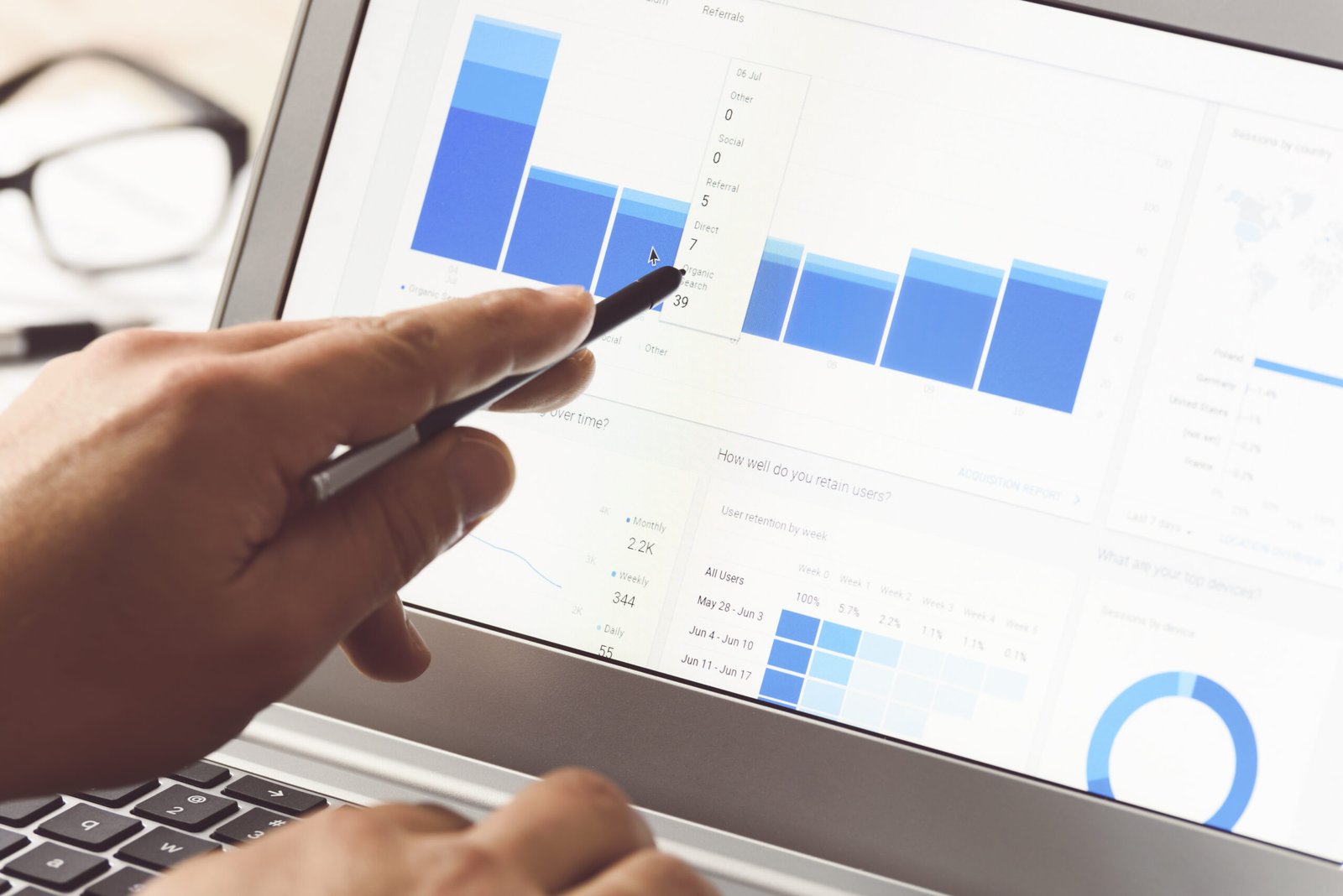
Customer data helps businesses understand which marketing campaigns are delivering results.
Businesses can measure:
- Redemption rates for promotions
- Increase in sales after campaigns
- Customer response rates
- Repeat purchase behaviour
- Return on marketing investment
These insights help businesses refine future campaigns and focus on strategies that generate the highest return.
8. Improve Customer Experience
Customer data also helps businesses deliver a better shopping experience.
By understanding customer preferences, businesses can:
- Stock products customers frequently purchase
- Reduce waiting times with faster service
- Offer relevant recommendations
- Provide consistent service across multiple locations
A positive customer experience encourages repeat visits and strengthens brand loyalty.
Best Practices for Using Customer Data
To get the most value from customer data, businesses should:
- Collect customer information with their consent.
- Keep customer data secure.
- Update customer records regularly.
- Use data only for relevant marketing purposes.
- Review reports to identify changing customer trends.
Using customer data responsibly builds trust while supporting long term customer relationships.
How a POS System Makes Marketing Easier
A cloud based POS system combines customer information, sales reports, and marketing insights in one place.
With integrated reporting, businesses can:
- View customer purchase history
- Track loyalty program activity
- Create targeted promotions
- Generate customer reports
- Monitor campaign performance
- Access data from anywhere
This allows business owners to make informed marketing decisions without relying on multiple systems.
Conclusion
Customer data is one of the most valuable tools a business can use to improve its marketing campaigns. By understanding customer preferences, purchase history, and shopping behaviour, businesses can create personalised promotions, build stronger relationships, and increase repeat sales.
A modern POS system makes collecting and analysing customer data simple, giving businesses the insights they need to run more effective marketing campaigns. When used responsibly, customer data not only improves marketing performance but also enhances the overall customer experience and supports long term business growth.