From Chaos to Control: POS Systems Explained
Running a retail store or restaurant without a proper system can quickly turn into chaos. From managing sales and tracking inventory to handling customer orders and payments, the daily operations of a business can become overwhelming. This is where a Point of Sale (POS) system steps in, transforming confusion into control and helping businesses operate smoothly and efficiently.
What is a POS System?
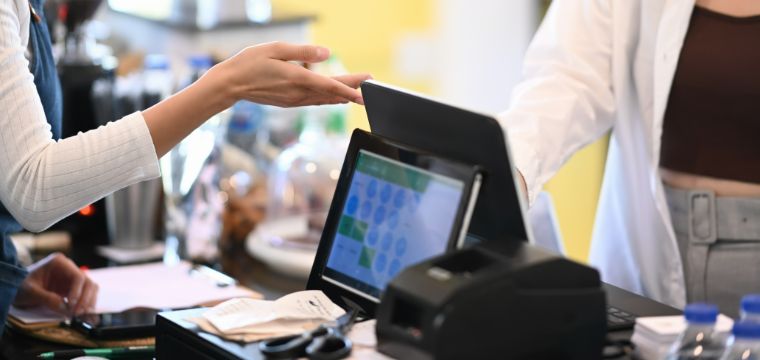
A POS system is more than just a billing machine. It is a complete business management tool that handles transactions, tracks inventory, records sales data, and even manages customer relationships. In simple terms, it acts as the central hub where all business operations come together, making it easier for owners and staff to stay organized.
Turning Manual Processes into Automation
Before POS systems, businesses relied heavily on manual processes—writing orders on paper, calculating totals by hand, and updating inventory manually. These methods were not only time-consuming but also prone to human error. A POS system automates these tasks, ensuring accuracy and saving valuable time. Transactions are processed instantly, and records are updated in real time, reducing mistakes and improving efficiency.
Real-Time Inventory Control
One of the biggest challenges for both retail and restaurant businesses is managing inventory. Without proper tracking, businesses can face issues like overstocking, stock shortages, or wasted ingredients. POS systems provide real-time inventory updates, allowing businesses to monitor stock levels at any moment. Retailers can keep track of product availability, while restaurants can manage ingredients more effectively, reducing waste and improving profitability.
Faster and Smarter Transactions
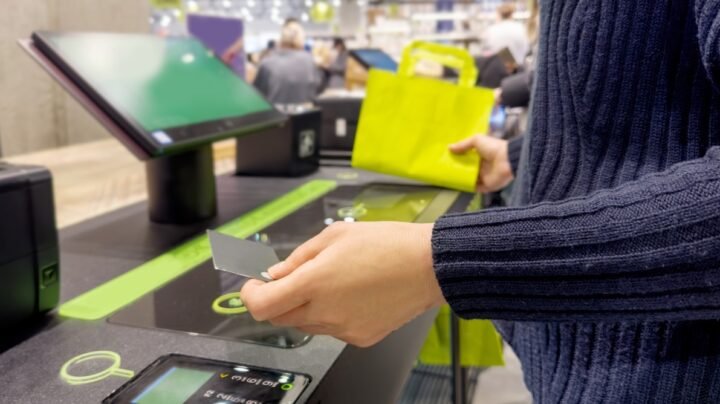
Speed is crucial in both retail and dining environments. Customers expect quick service, and delays can lead to dissatisfaction. POS systems streamline the checkout process, making transactions faster and more accurate. In restaurants, orders can be sent directly from the POS system to the kitchen, reducing miscommunication and ensuring that customers receive exactly what they ordered.
Data-Driven Decision Making
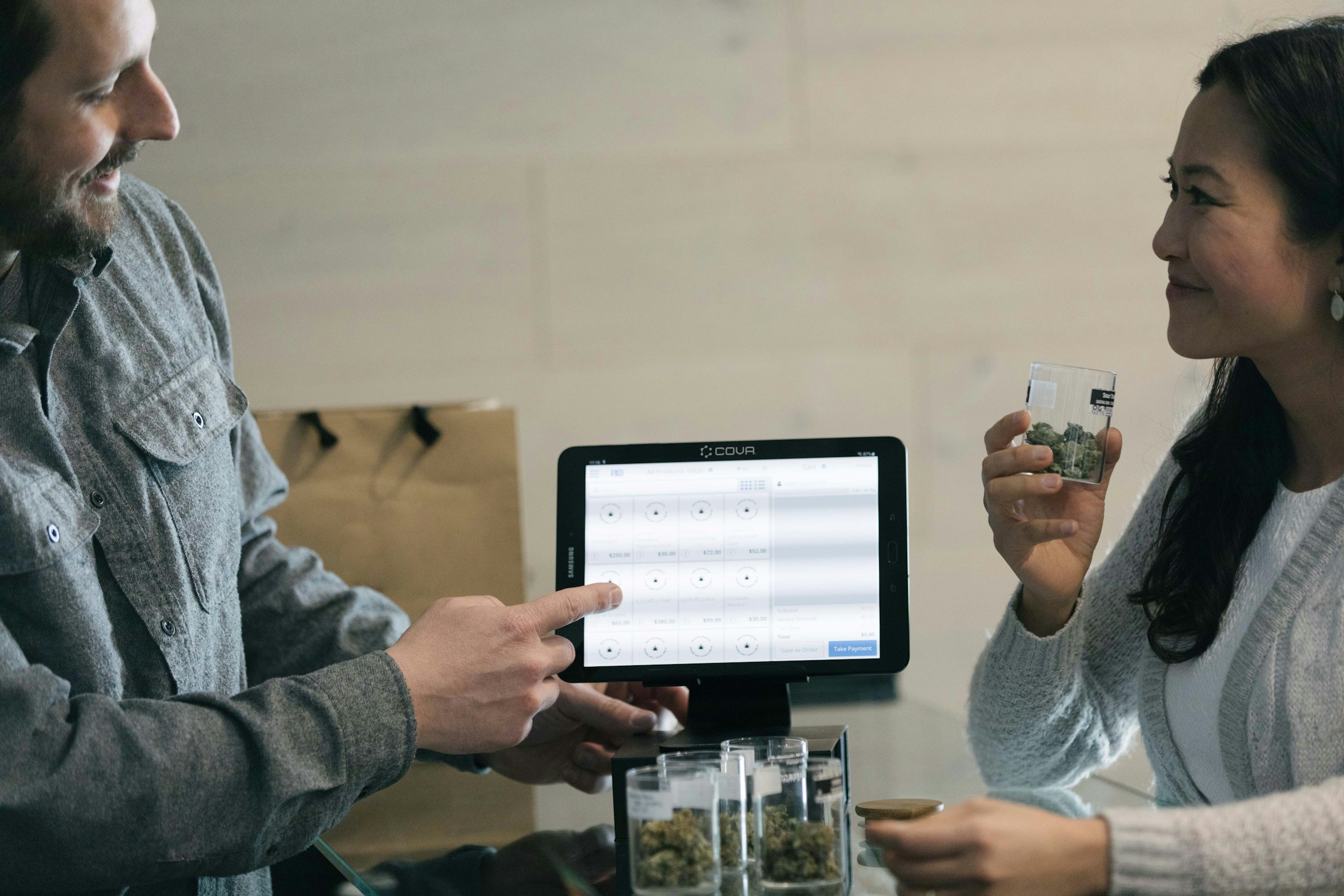
One of the most powerful features of modern POS systems is the ability to generate detailed reports and insights. Business owners can access real-time data on sales, revenue, and customer behavior. This information helps in making informed decisions, such as identifying best-selling products, adjusting pricing strategies, or planning promotions. With data at their fingertips, businesses can move from guesswork to smart decision-making.
Enhancing Customer Experience
A well-organized business creates a better experience for customers. POS systems contribute to this by ensuring faster service, accurate billing, and personalized interactions. Many systems also store customer data, allowing businesses to offer loyalty programs, discounts, and tailored promotions. This not only improves customer satisfaction but also encourages repeat visits.
Simplifying Staff Management
Managing employees can be challenging, especially during busy hours. POS systems help simplify staff management by tracking employee performance, managing shifts, and reducing the need for manual supervision. With automated processes in place, staff can focus more on delivering excellent service rather than handling administrative tasks.
Seamless Integration and Scalability
Modern POS systems can integrate with other tools such as accounting software, online ordering platforms, and payment gateways. This creates a seamless workflow across different aspects of the business. Additionally, POS systems are scalable, meaning they can grow with the business. Whether opening a new branch or expanding product lines, the system adapts easily to new requirements.
Conclusion
From managing daily operations to improving customer satisfaction, POS systems bring order to what would otherwise be a chaotic environment. They automate processes, provide valuable insights, and enhance overall efficiency. For retail stores and restaurants looking to stay competitive, adopting a POS system is not just an upgrade—it’s a necessity. By turning chaos into control, POS systems empower businesses to operate smarter, serve better, and grow faster.