How POS Automation Helps Meet Rising Customer Expectations
Customer expectations are higher than ever. Today’s consumers want speed, accuracy, convenience, and personalization at every point of interaction. Whether they are shopping in a retail store, dining at a restaurant, or paying for a service, they expect smooth experiences with minimal effort. This is where POS automation plays a critical role. By automating core point-of-sale processes, businesses can meet—and often exceed—modern customer expectations while operating more efficiently.
Faster Service and Reduced Waiting Time
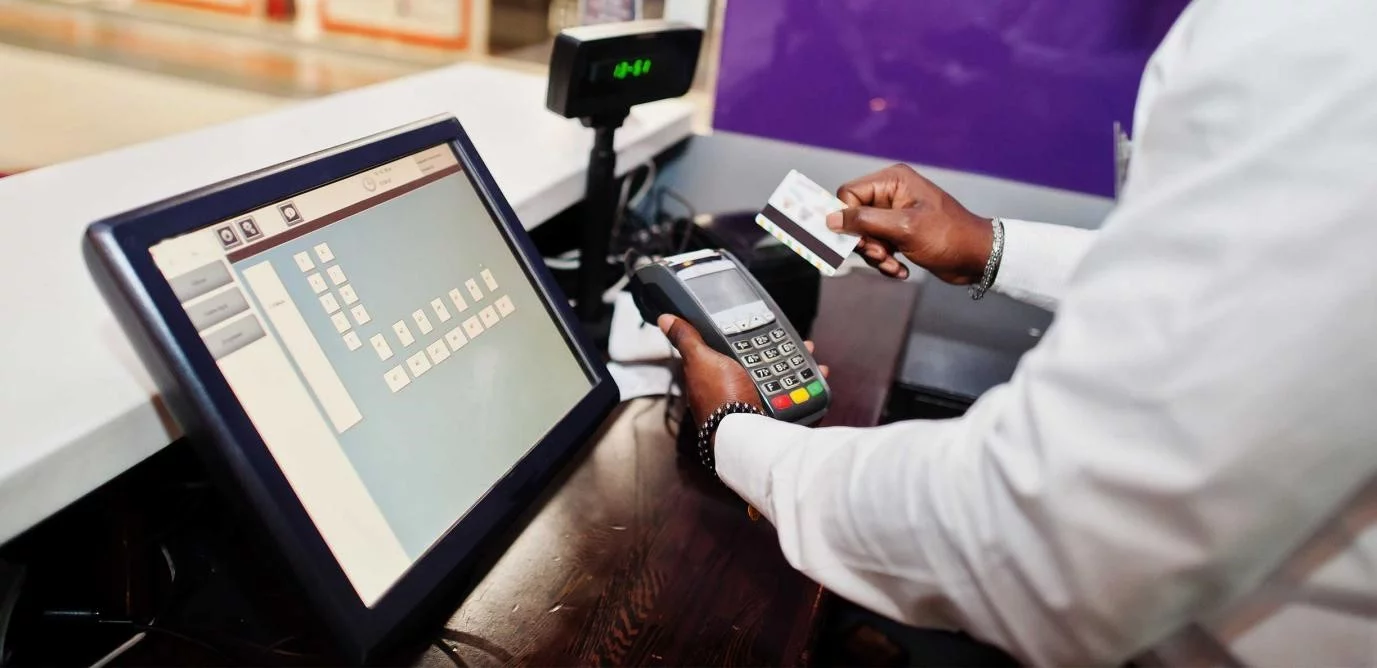
One of the biggest expectations customers have is speed. Long queues, slow billing, and manual order processing can quickly lead to frustration. POS automation significantly reduces transaction time by streamlining billing, payment processing, and order management. Automated POS systems calculate totals instantly, apply discounts accurately, and process multiple payment methods without delay. Faster checkouts mean shorter queues, smoother peak-hour operations, and happier customers who feel their time is respected.
Improved Accuracy Builds Customer Trust
Errors in pricing, orders, or payments can damage customer trust. POS automation minimizes human error by automating calculations, inventory deductions, and order routing. In restaurants, automated POS systems ensure orders are sent directly to the kitchen without miscommunication. In retail, prices and promotions are applied consistently. When customers receive exactly what they ordered and are charged correctly every time, confidence in the brand naturally increases.
Personalized Customer Experiences
Modern customers expect businesses to understand their preferences. POS automation helps collect and organize customer data such as purchase history, favorite items, and buying patterns. This data allows businesses to offer personalized recommendations, targeted promotions, and loyalty rewards. Instead of generic offers, customers receive relevant deals that match their interests, making them feel valued rather than just another transaction.
Multiple Payment Options for Greater Convenience
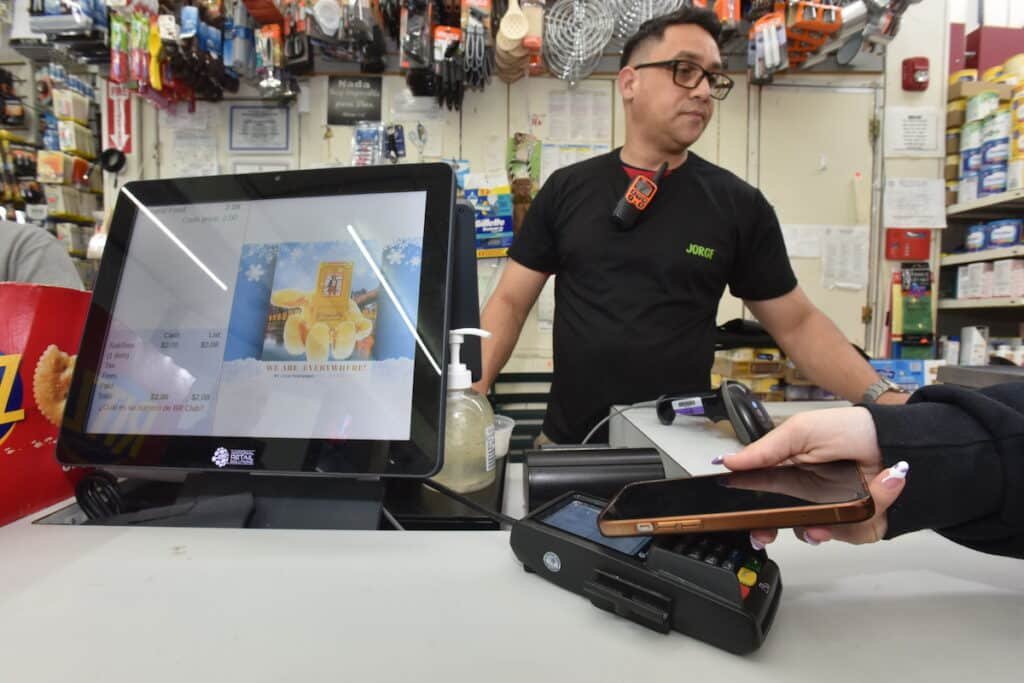
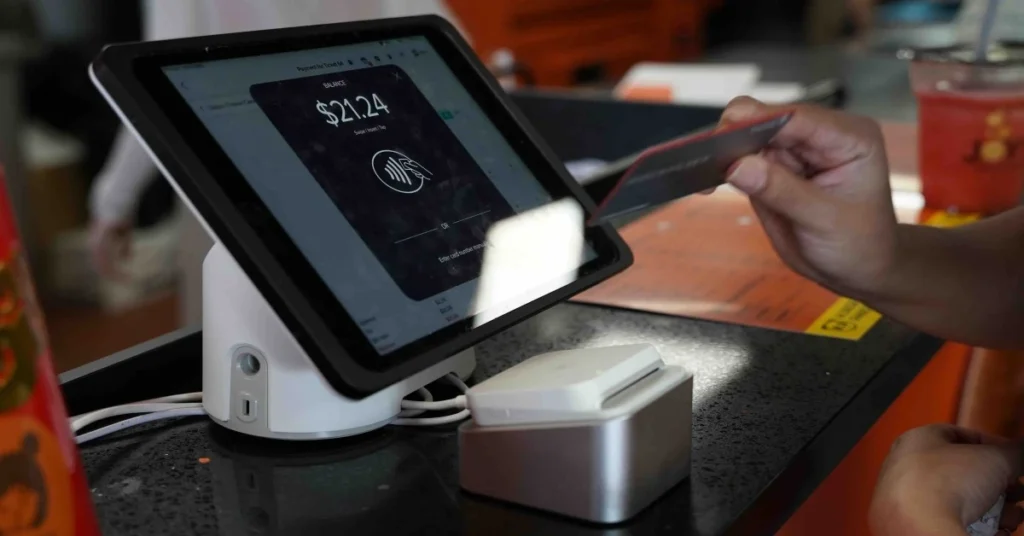
Customer expectations around payments have evolved rapidly. Cash-only or limited payment options can push customers away. Automated POS systems support multiple payment methods, including cards, digital wallets, QR payments, and contactless options. This flexibility allows customers to pay the way they prefer, improving convenience and reducing friction at checkout. When payment feels effortless, the overall experience feels more professional and modern.
Consistent Experience Across Channels
Customers today interact with businesses through multiple channels—online, in-store, mobile, and delivery platforms. POS automation helps unify these touchpoints by syncing sales, orders, and customer data in real time. Whether a customer orders online and picks up in-store or shops at different locations, they receive a consistent experience. Consistency builds reliability, and reliability builds long-term loyalty.
Better Service Through Staff Efficiency
Automation doesn’t replace staff—it empowers them. By handling repetitive tasks like billing, reporting, and inventory updates, POS systems free employees to focus on customer service. Staff can spend more time assisting customers, answering questions, and providing a friendly experience. Well-supported staff deliver better service, and customers notice the difference.
Faster Issue Resolution and Transparency
Returns, refunds, and order issues are inevitable, but how they are handled matters. POS automation keeps detailed transaction records, making it easier to resolve customer concerns quickly. Automated systems allow staff to locate receipts, verify purchases, and process refunds efficiently. Quick and transparent issue handling reassures customers that the business is reliable and customer-focused.
Meeting Expectations Today and Tomorrow
Customer expectations will continue to rise as technology advances. POS automation provides businesses with a scalable foundation to adapt to these changes. Features like real-time reporting, cloud access, and system integrations help businesses respond faster to trends and customer demands.
In conclusion, POS automation is no longer just an operational tool—it is a customer experience solution. By delivering speed, accuracy, personalization, and convenience, automated POS systems help businesses meet rising customer expectations and build lasting relationships. In a competitive market, investing in POS automation is a smart step toward customer satisfaction and sustainable growth.