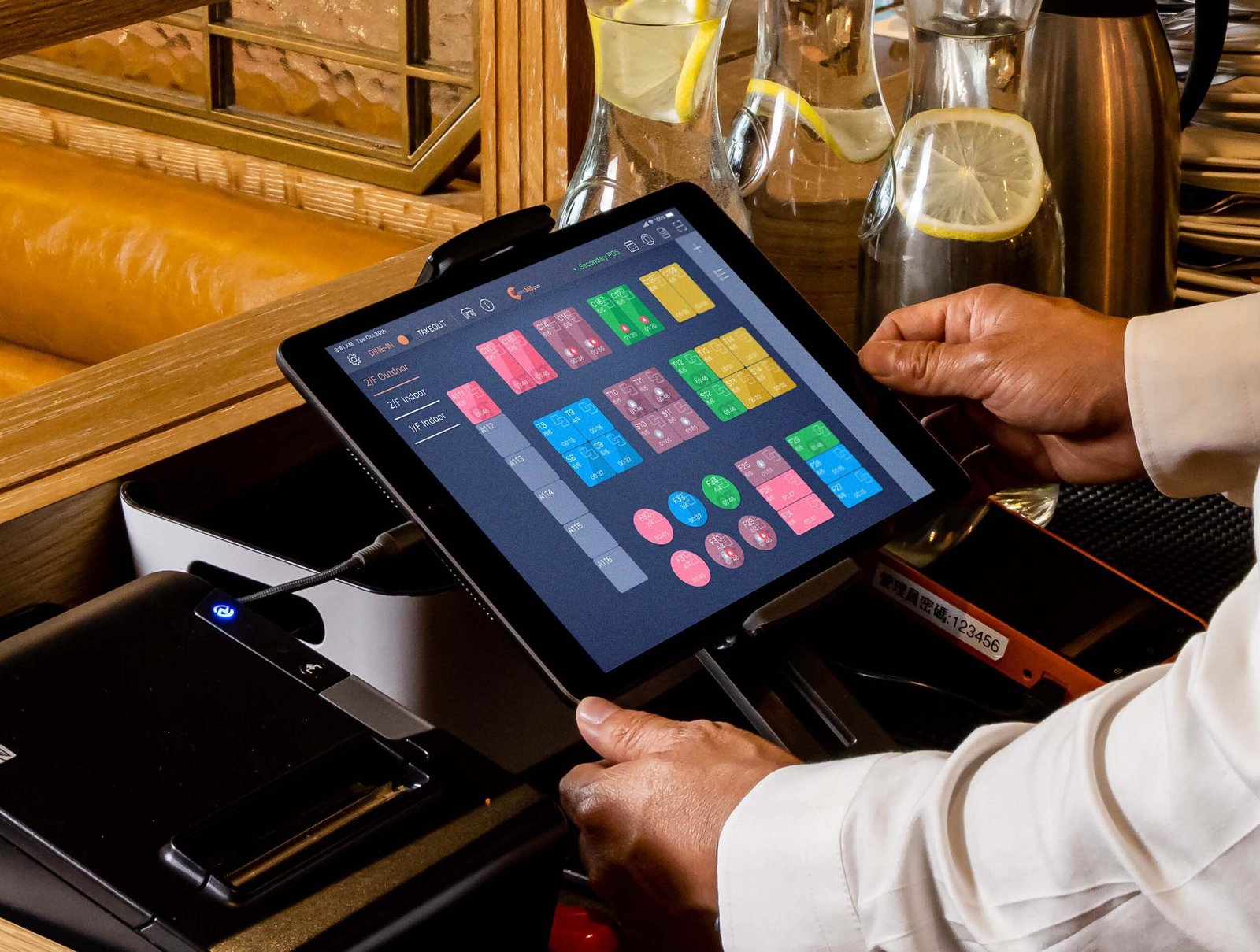
How POS Data Supports Fair Business Competition

In the modern marketplace, competition is the driving force behind innovation, customer satisfaction, and economic growth. Yet, fair competition depends on access to accurate information, transparent practices, and efficient operations. This is where Point of Sale (POS) systems come into play. Once seen merely as tools for processing payments, POS systems have evolved into comprehensive data hubs that provide insights essential for ethical business growth and a level playing field.
By collecting and analyzing sales data, customer behavior, and inventory trends, POS systems help businesses make informed decisions — not just to outshine rivals, but to compete fairly, efficiently, and transparently.
1. Promoting Transparency Through Data Accuracy
One of the key elements of fair competition is transparency. Businesses that maintain clear, accurate records of sales and transactions earn customer trust and operate with integrity. A POS system automatically records every sale, return, and discount in real time, minimizing errors and eliminating manual data manipulation.
This transparency ensures that pricing and promotions are consistent across outlets and channels. It also helps in compliance with tax regulations, preventing unfair advantages that might arise from inaccurate or underreported sales. For example, two retailers competing in the same market can rely on POS data to prove legitimacy in pricing and tax contributions — ensuring that growth comes from genuine performance, not shortcuts.
2. Leveling the Playing Field for Small Businesses
In the past, large corporations dominated markets largely because they could afford sophisticated data tools and marketing systems. POS technology has democratized access to business intelligence, giving small and medium-sized retailers the same analytical power.
Cloud-based POS systems are affordable, easy to deploy, and accessible from anywhere. They provide small businesses with insights into customer preferences, inventory levels, and performance metrics — data that was once reserved for enterprise-level operations. This empowers small retailers to make data-driven decisions, optimize their pricing, and compete effectively against bigger players without compromising ethical standards.
3. Ensuring Fair Pricing and Market Practices
POS systems collect detailed information about product sales, demand patterns, and seasonal trends. This data helps businesses set competitive and fair prices based on actual market dynamics rather than guesswork or artificial manipulation.
When businesses use POS analytics to adjust prices in response to demand, they avoid predatory pricing or unfair markups. For consumers, this means better value and transparent pricing, while for businesses, it ensures that competition is based on service quality, product value, and customer experience rather than unethical tactics.
Moreover, POS data helps regulatory authorities and auditors verify fair pricing structures if needed, fostering a more balanced marketplace overall.
4. Reducing Fraud and Unethical Business Behavior
Unfair business practices — such as tax evasion, fake discounts, or duplicate billing — harm both competitors and consumers. A reliable POS system creates tamper-proof digital records that make fraudulent activity difficult.
Every transaction is tracked, time-stamped, and often stored securely in the cloud. This audit trail ensures accountability at every level — from the cashier to upper management. Businesses that adopt transparent POS systems demonstrate credibility, while dishonest competitors are more easily identified by regulators and consumers. This culture of accountability encourages fairness across the industry.
5. Encouraging Data-Driven Innovation
Fair competition isn’t just about playing by the rules — it’s also about pushing boundaries responsibly. POS data encourages innovation by highlighting market gaps and customer needs. For example, by analyzing sales trends, a retailer might discover a demand for eco-friendly products or faster delivery options.
Instead of relying on unfair advertising or undercutting rivals, businesses can use these insights to improve their offerings. This leads to a healthy form of competition, where success is driven by better products, smarter strategies, and genuine customer satisfaction.
6. Building Consumer Trust Through Ethical Use of Data
Consumers today care deeply about how businesses use their data. POS systems that comply with privacy regulations and handle customer information responsibly help build trust and credibility. When shoppers know their data is secure and used only to enhance their experience, they’re more likely to support that business over one with shady or opaque practices.
This ethical approach not only strengthens brand reputation but also contributes to a fairer competitive environment where trust, not exploitation, defines success.
Conclusion
Fair competition is the foundation of a thriving economy, and POS data plays a vital role in maintaining that balance. By promoting transparency, ensuring data accuracy, empowering small businesses, and encouraging ethical innovation, POS systems help businesses grow responsibly.
In essence, POS technology levels the playing field — making sure that every business, regardless of size, competes based on value, integrity, and customer satisfaction. As more companies embrace digital transformation, the widespread use of POS data will continue to foster a fair, transparent, and sustainable marketplace for everyone.