How POS Enhances Real-Time Decision Making for Businesses
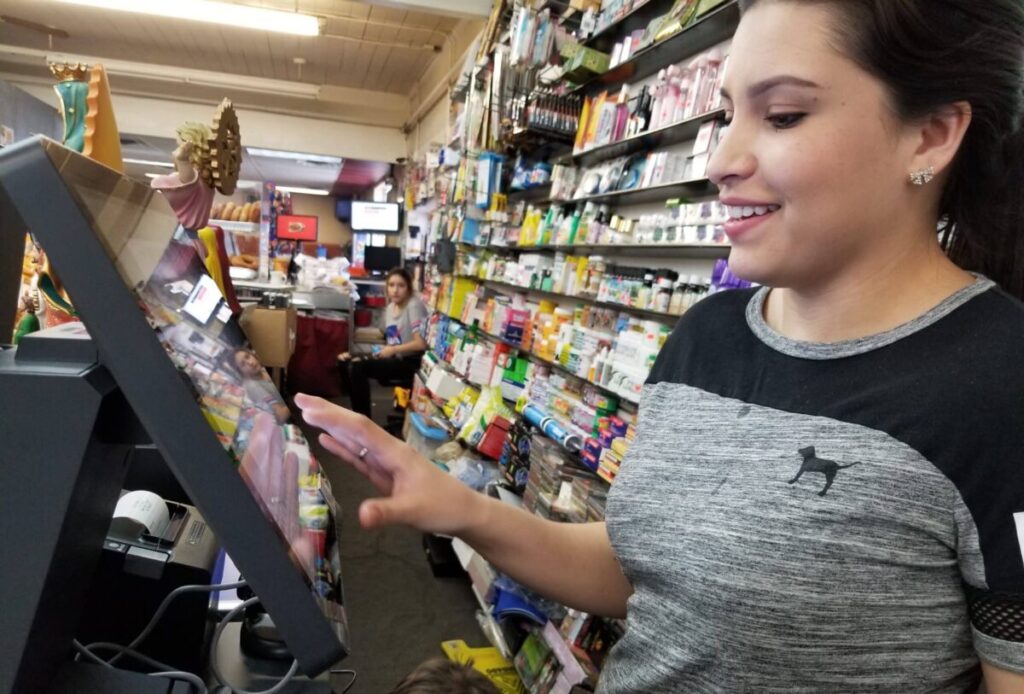
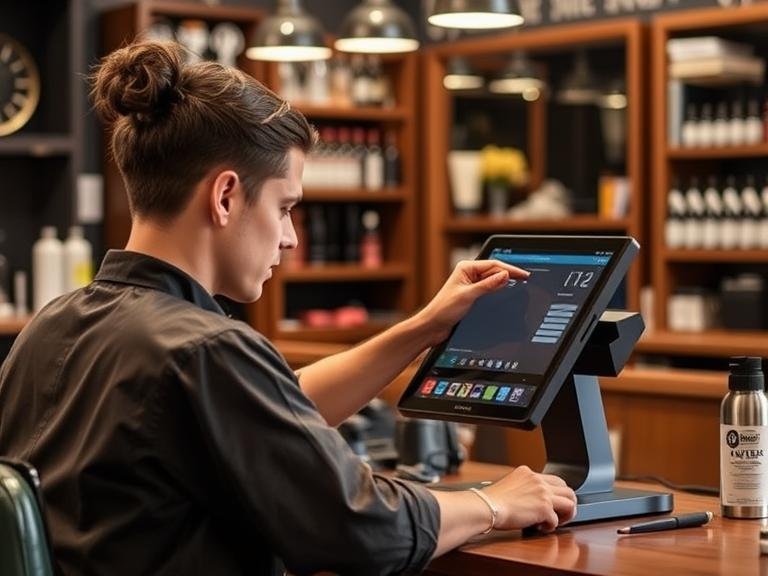
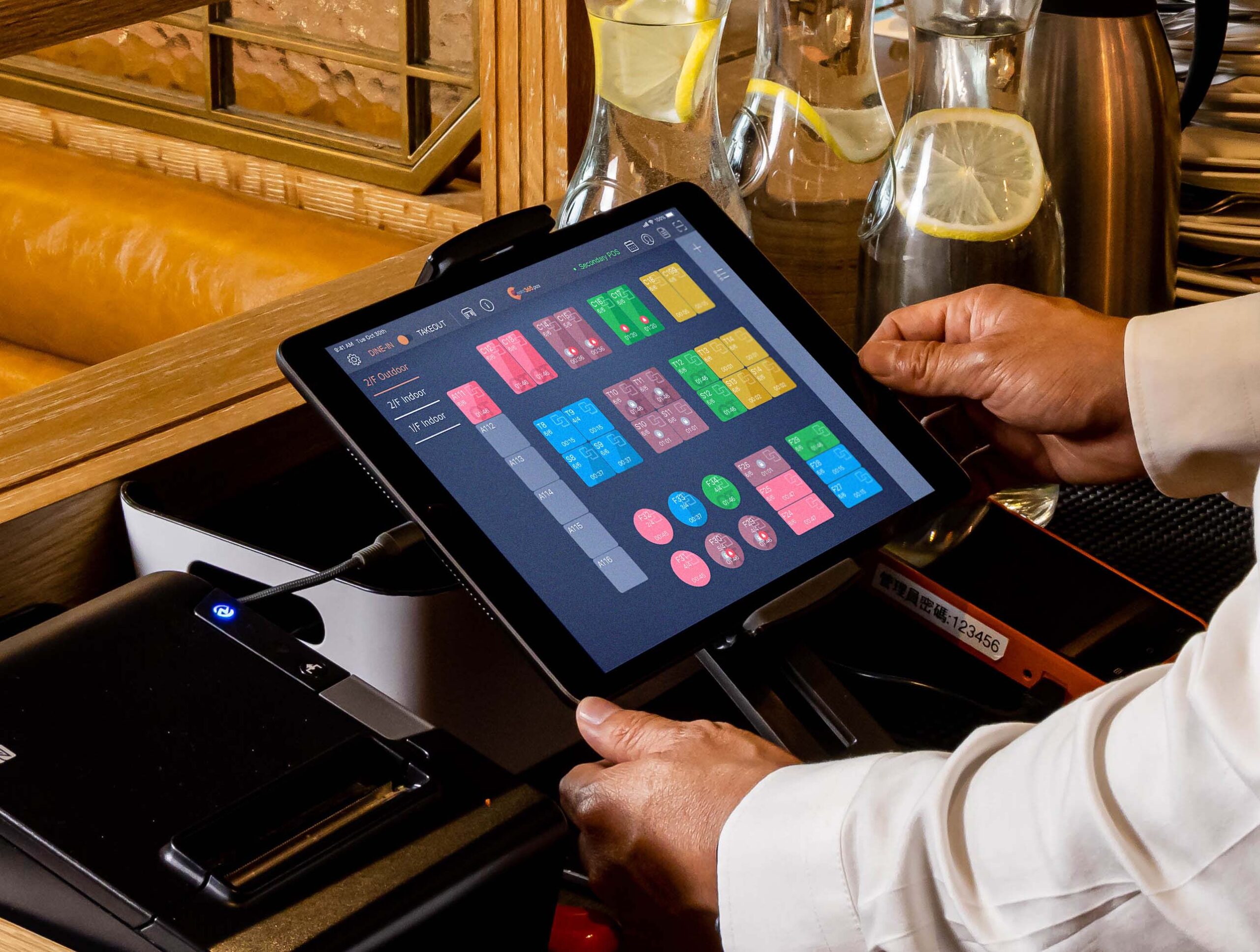
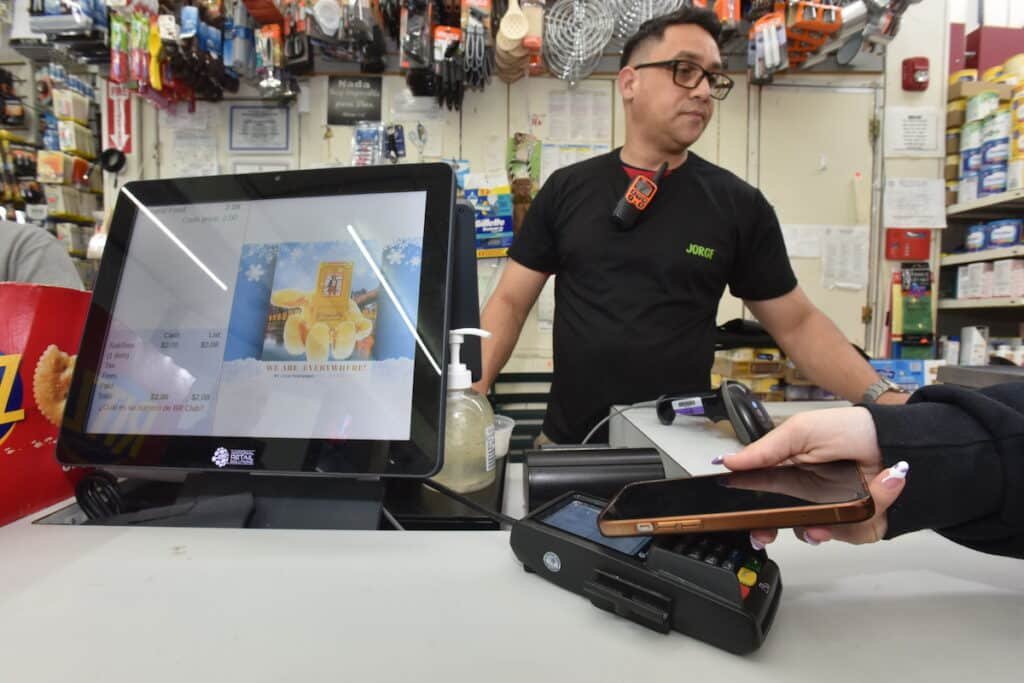
In today’s fast-moving business world, the ability to make quick and informed decisions is more important than ever. Customers expect faster service, accurate information, and smooth experiences at every touchpoint. That’s where a modern POS (Point of Sale) system becomes a powerful tool. Beyond processing transactions, today’s POS solutions act as real-time data hubs that help business owners monitor performance, adapt quickly, and stay ahead of the competition.
Here’s how modern POS systems significantly enhance real-time decision making for businesses across industries.
1. Instant Access to Sales Performance
One of the biggest challenges businesses face is understanding what’s selling and what’s not. Traditional manual tracking takes time and often includes errors, making it hard for owners to react quickly.
A modern POS system solves this by offering live sales data. Owners and managers can see which items are performing well, which products are slowing down, and how customers are responding to promotions—all in real time. This helps businesses make fast decisions like adjusting pricing, adding stock to high-demand items, or stopping a low-performing offer before it causes loss.
2. Real-Time Inventory Visibility
Running out of stock or overstocking can harm both revenue and customer experience. With outdated systems, many businesses struggle to maintain the right inventory balance.
POS systems offer real-time inventory tracking that updates the moment a sale is made. Businesses can instantly check stock levels, identify fast-moving items, and reorder products at the right time. This prevents stockouts, reduces storage costs, and ensures smooth operations.
For multi-location businesses, real-time inventory sync is especially useful, as managers can shift goods from one location to another based on demand.
3. Faster Staff and Workflow Management
Managing staff efficiently requires accurate data. A POS system gives real-time insights into employee performance, such as the number of transactions handled, peak working hours, and service speed.
With this information, businesses can:
- Adjust staff schedules instantly during peak hours
- Identify training needs
- Reward high-performing team members
This leads to better customer service and a more productive team.
4. Live Financial and Revenue Tracking
Financial clarity is crucial for making good decisions. A modern POS gives businesses a live view of their daily earnings, cash flow, payment methods used, and refunds or discounts applied.
This allows managers to react immediately if they notice unusual patterns such as:
- Higher than normal voids
- Sudden drop in sales
- Unexplained refund activity
Real-time financial monitoring helps prevent revenue leakage and keeps the business secure and stable.
5. Better Understanding of Customer Behavior
Today’s customers want personalized experiences. A smart POS collects customer data such as purchase history, loyalty points, preferences, and spending patterns.
With real-time insights, businesses can quickly:
- Offer customized promotions
- Suggest relevant upsells
- Launch targeted marketing campaigns
- Improve overall customer experience
This data-driven approach helps businesses build stronger relationships and boost customer retention.
6. Quick Decision Making Through Smart Reports
POS systems provide real-time reports on sales, inventory, staff activity, customer trends, and more. Since this data is updated instantly, managers can make quick and confident decisions without waiting for end-of-day reports.
Whether they need to adjust pricing, change the menu, or plan restocking, real-time POS reporting helps businesses remain flexible and agile.
Conclusion
A POS system is no longer just a tool for billing—it’s a live data engine that empowers businesses to make smarter, faster, and more accurate decisions. From tracking sales and managing stock to understanding customers and improving staff productivity, real-time insights from a modern POS help businesses stay ahead in a competitive world.
Businesses that adopt data-driven POS systems gain a valuable advantage: the power to respond instantly, operate efficiently, and consistently deliver better experiences.
Is