How POS Helps Reduce Mistakes That Affect Customers
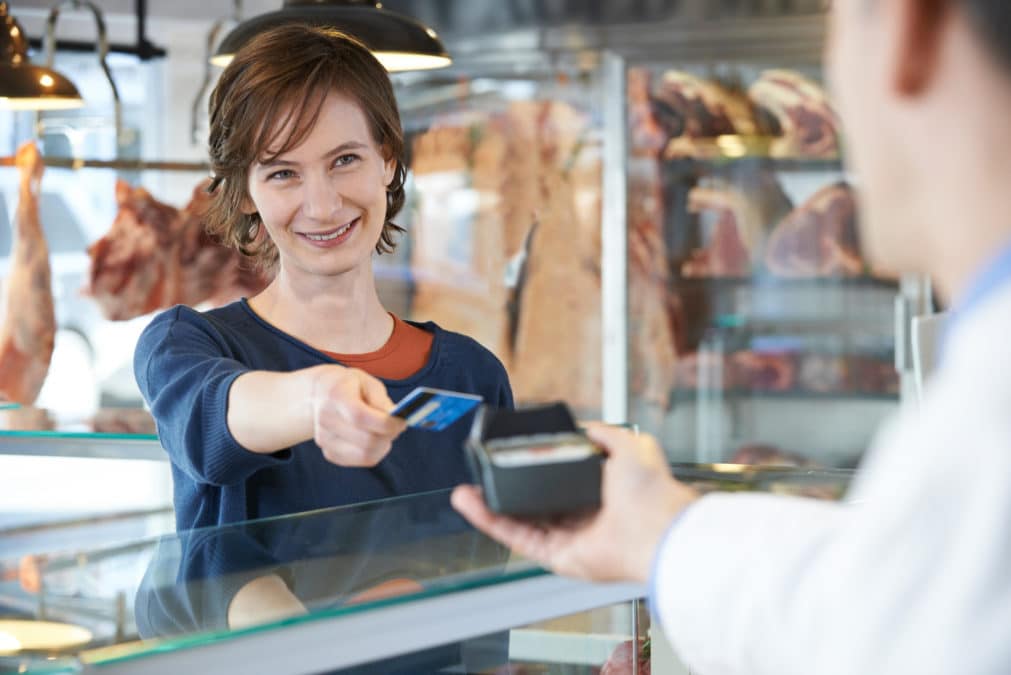
In today’s fast-moving retail and hospitality industries, even small mistakes can lead to unhappy customers, negative reviews, and a loss of trust. Billing errors, incorrect orders, pricing mismatches, and delays often happen when businesses rely on manual systems. This is where a modern Point of Sale (POS) system becomes a game-changer. A smart POS not only strengthens business operations but also plays a major role in reducing mistakes that directly affect customers.
1. Accurate Billing Every Time
One of the most common customer issues is incorrect billing. When staff manually enter items or prices, the chances of human error increase. A POS system removes this risk by automating the entire billing process.
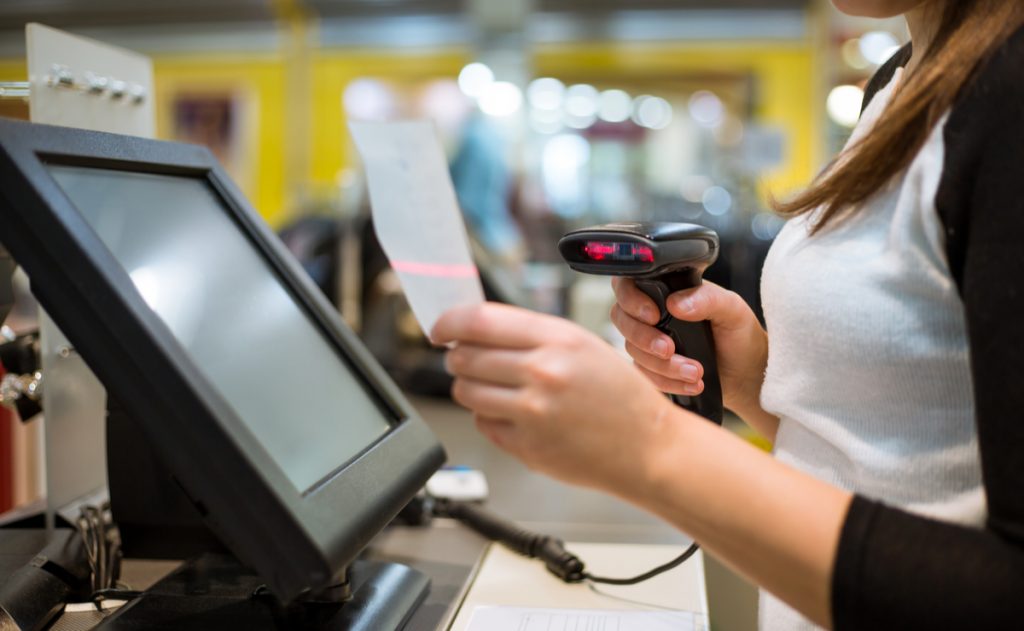
Prices are pre-programmed, items are scanned or tapped digitally, and totals are calculated automatically. This ensures customers are charged the correct amount every single time. Consistent accuracy builds confidence and shows customers that your business values fairness and transparency.
2. Real-Time Price Updates Avoid Confusion
Imagine a customer sees a discounted price on a shelf, but the cashier charges a different price. Situations like this create frustration and can lead to complaints.
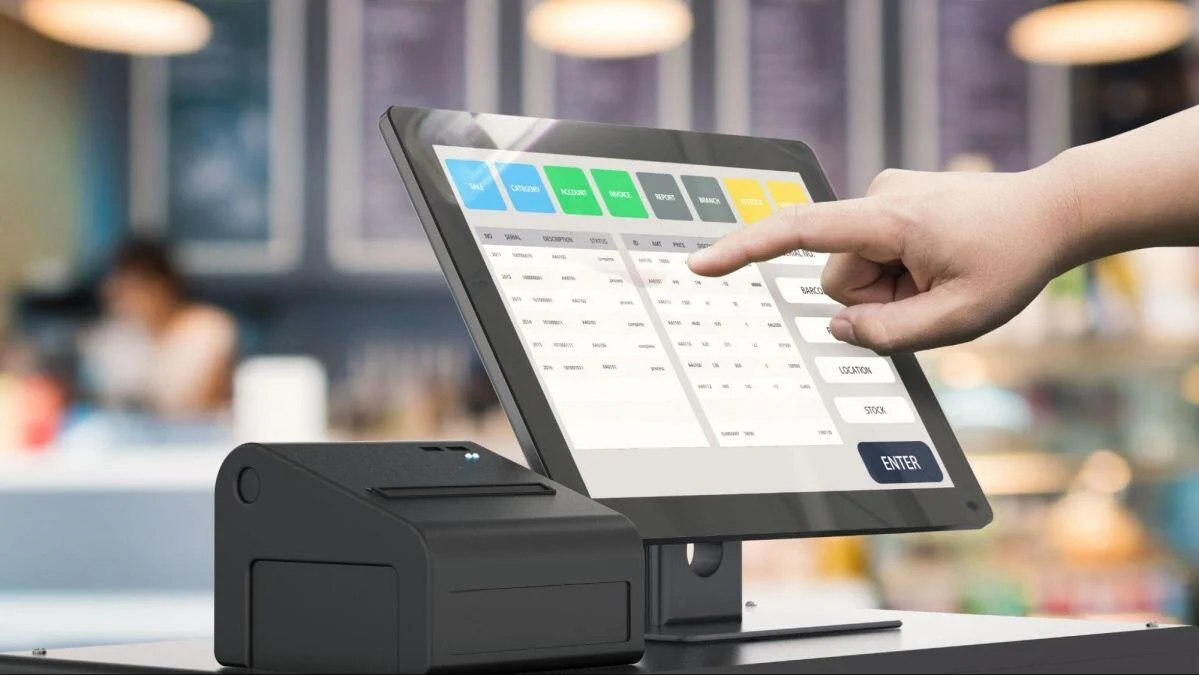
With a modern POS system, price changes and promotions are updated in real-time across all terminals. This means every staff member sees the same information, and customers always get the correct price. No more price mismatches, arguments, or unnecessary delays.
3. Improved Order Accuracy in Restaurants and Cafés
In food businesses, wrong orders are one of the biggest reasons for customer dissatisfaction. A POS system allows staff to enter orders digitally with clear details—modifier options, add-ons, sizes, and special requests.
The order is then instantly sent to the kitchen display or printer. This reduces miscommunication and ensures chefs prepare exactly what the customer ordered. With fewer mistakes, waiting time decreases, and the overall dining experience becomes smoother.
4. Automated Stock Tracking Prevents Selling Out-of-Stock Items
It’s disappointing for customers when they reach checkout only to find out an item is unavailable. Manual stock tracking often leads to overselling or inaccurate inventory counts.
A POS system monitors stock levels in real time. Once the quantity reaches low levels, it alerts the staff immediately. This helps businesses avoid selling out-of-stock products and enhances customer trust by offering reliable availability.
5. Faster Checkout Minimizes Customer Frustration
Long lines and slow billing often lead to irritated customers. Manual processes, slow calculations, and searching for product prices can delay the checkout experience.
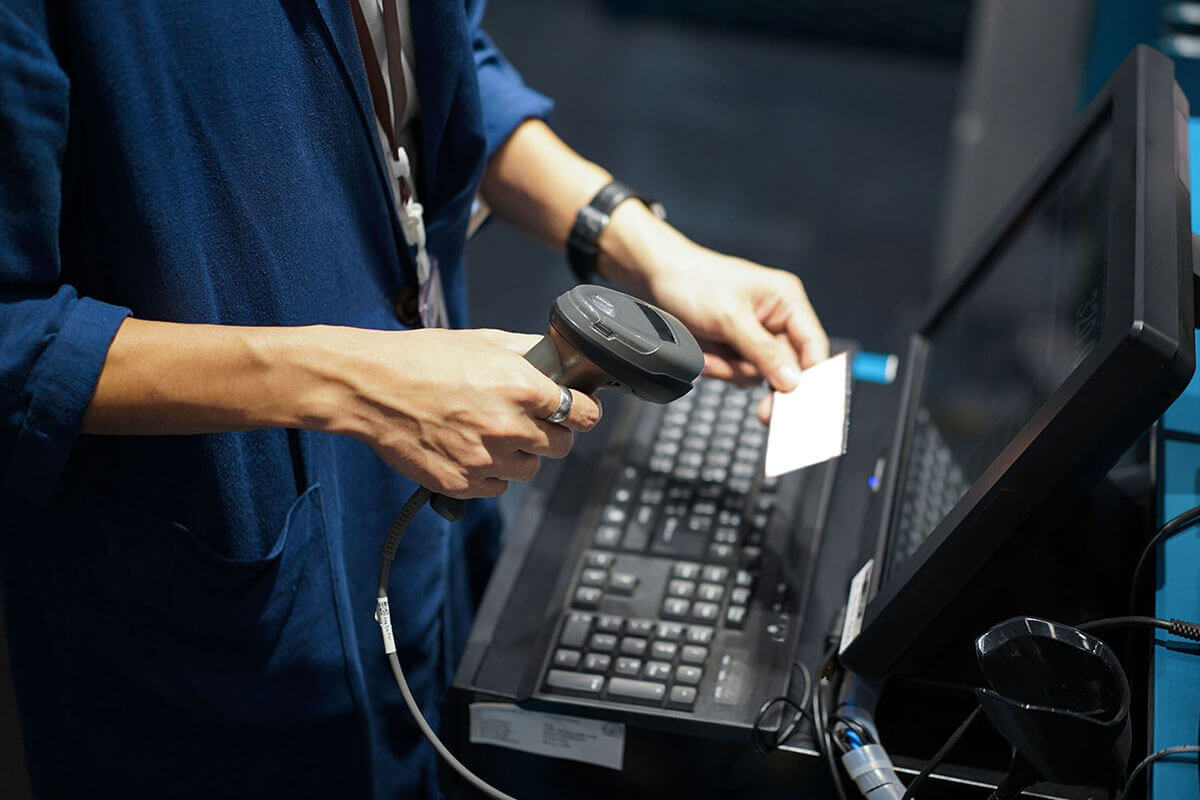
POS systems streamline the process through quick item scanning, automated totals, and easy payment processing. A faster checkout means customers spend less time waiting and more time enjoying the service.
6. Reduced Human Error During Discounts and Promotions
Promotions are attractive to customers, but they can also be confusing for staff to apply manually. Whether it’s percentage discounts, combo offers, or loyalty rewards, incorrect calculations can cause dissatisfaction.
A POS system applies discounts automatically based on pre-set conditions. This guarantees that customers receive the correct promotional benefits without any mistakes.
7. Clear and Simple Receipts Build Customer Transparency
A good POS system prints or sends digital receipts with detailed breakdowns: product names, quantities, taxes, discounts, and totals.
Customers appreciate this clarity because it allows them to verify their bill easily. Transparent receipts also reduce customer complaints and increase trust in the business.
8. Better Staff Training and Accountability
POS systems are built with easy-to-use interfaces that help staff learn faster and make fewer mistakes. Each login can be tracked individually, which encourages responsibility and reduces errors caused by improper handling.
When staff feel confident using the system, customer service automatically improves.
Conclusion
Mistakes in billing, orders, stock availability, or promotions can harm customer relationships and the reputation of a business. A modern POS system significantly reduces these errors through automation, real-time updates, and organized processes.
By investing in smart POS technology, businesses not only improve their operations but also create a smoother, more reliable, and more satisfying experience for every customer who walks through the door.