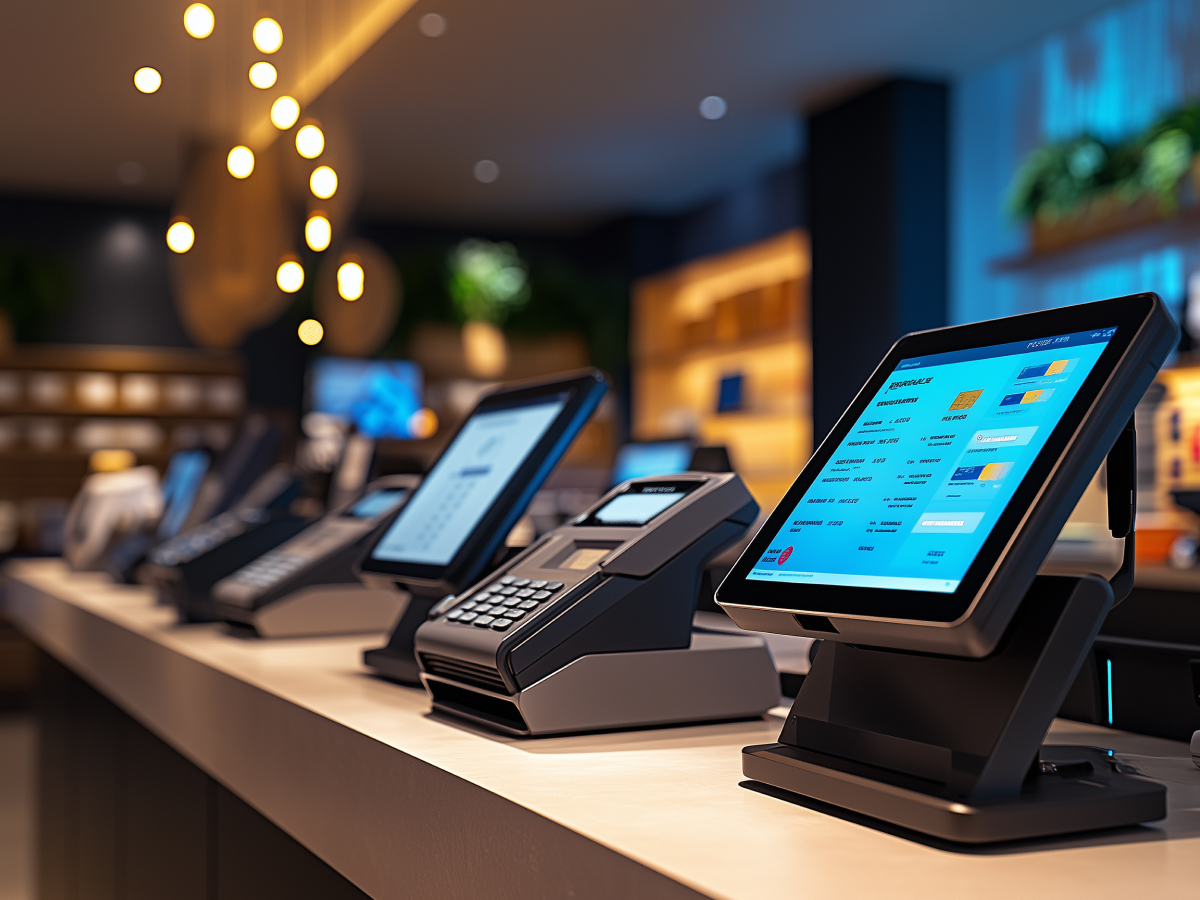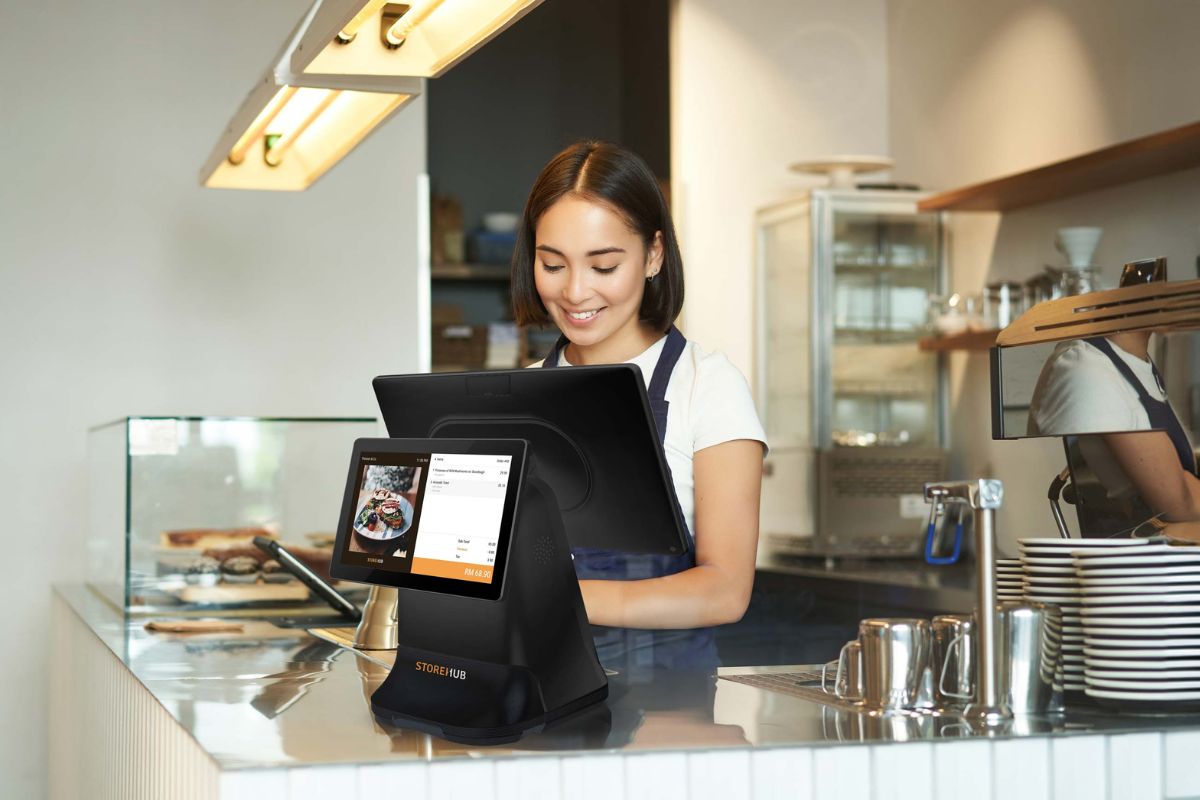
How POS Helps Reduce Overheads and Increase Profits
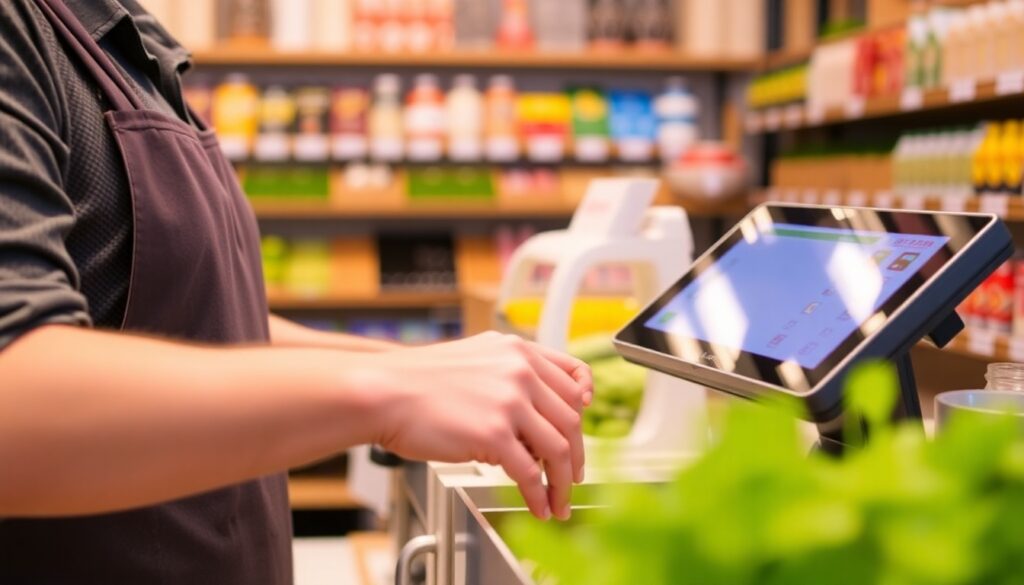
Running a successful business isn’t just about selling more—it’s also about managing costs smartly. This is where a modern POS (Point of Sale) system becomes a powerful tool. Beyond fast billing and smooth customer service, a POS helps reduce daily overheads and boosts overall profitability. By streamlining routine tasks, improving accuracy, and giving real-time data insights, a POS system becomes a key driver of long-term financial growth. Here’s how it makes a difference.
1. Automates Manual Tasks and Cuts Labor Costs
A large portion of business overhead comes from the time employees spend on repetitive tasks like billing, stock checking, or tracking sales. A smart POS system automates many of these processes, meaning staff can complete tasks faster and with fewer mistakes.
Instead of spending hours on paperwork or manual entries, employees can focus on assisting customers, improving service quality, and increasing sales. Businesses often find that they can operate efficiently even with fewer staff members during slow hours, which directly reduces labor costs.
2. Reduces Billing Errors and Prevents Revenue Leakage
Human errors in billing can lead to loss of revenue. Wrong entries, missed discounts, or incorrect price applications may seem small individually, but they add up to big losses over time.
A POS system standardizes billing by automatically applying prices, taxes, discounts, and offers. This not only ensures accurate invoicing but also prevents accidental undercharging or overcharging. When everything is tracked correctly, businesses experience fewer discrepancies and higher profitability.
3. Improves Inventory Accuracy and Reduces Wastage
Inventory mismanagement is one of the biggest causes of unnecessary expenses. Overstocking leads to product expiry or storage problems, while understocking results in missed sales.
A POS system tracks inventory in real time, showing exactly which items are selling fast and which are moving slow. It alerts when stock levels are low and even helps forecast future demand. This reduces wastage, prevents dead stock, and ensures you only purchase what you truly need. As a result, businesses can maintain a leaner inventory and save money.
4. Helps Identify High and Low-Performing Products
Not all products contribute equally to profits. Some might have high margins but low sales, while others sell fast but offer low profit. A POS system reveals these insights instantly.
By checking POS reports, businesses can:
- Focus on high-margin items
- Run promotions for slow-moving products
- Stop stocking items that don’t contribute to profits
These decisions help reduce costs tied to unsold stock and maximize revenue from popular products.
5. Enhances Employee Accountability
Shrinkage caused by theft, unrecorded sales, or billing manipulation increases overhead and reduces revenue. A POS helps control this by assigning user roles, tracking employee activities, and keeping detailed logs of transactions.
With every action recorded—from price changes to voided bills—employees stay more responsible. This reduces internal losses and boosts overall profit.
6. Provides Clear Financial Insights for Better Decision-Making
Business owners often make decisions based on assumptions when they don’t have accurate data. A POS eliminates guesswork by providing real-time reports on sales, expenses, profit margins, and more.
These insights help business owners:
- Adjust pricing
- Control unnecessary expenses
- Forecast sales accurately
- Make smarter purchasing decisions
Better decisions naturally lead to higher profits and lower overheads.
7. Supports Faster Service and Increased Customer Turnover
Speed matters—especially in retail, cafes, salons, and restaurants. The faster you serve a customer, the more customers you can serve in a day. A POS speeds up checkout, reduces waiting times, and improves customer satisfaction.
More satisfied customers = more repeat business = increased revenue.
Conclusion
A modern POS system is far more than a billing machine. It acts as a business growth tool that helps reduce overheads and increase profits by improving accuracy, reducing waste, boosting efficiency, and providing clear insights. Whether you manage a small shop, café, restaurant, or retail chain, investing in a POS system is one of the smartest steps you can take to grow sustainably and profitably.