How POS Reports Help Business Owners Make Better Decisions
Running a business involves making decisions every day. Business owners need to know what is selling, when customers are busiest, which products are performing well, and where money may be getting lost.
A POS restaurant system can make this information easier to understand through detailed POS reports. Instead of relying on guesswork, business owners can use sales data to identify trends, manage stock, monitor employees, and improve daily operations.

What Are POS Reports?
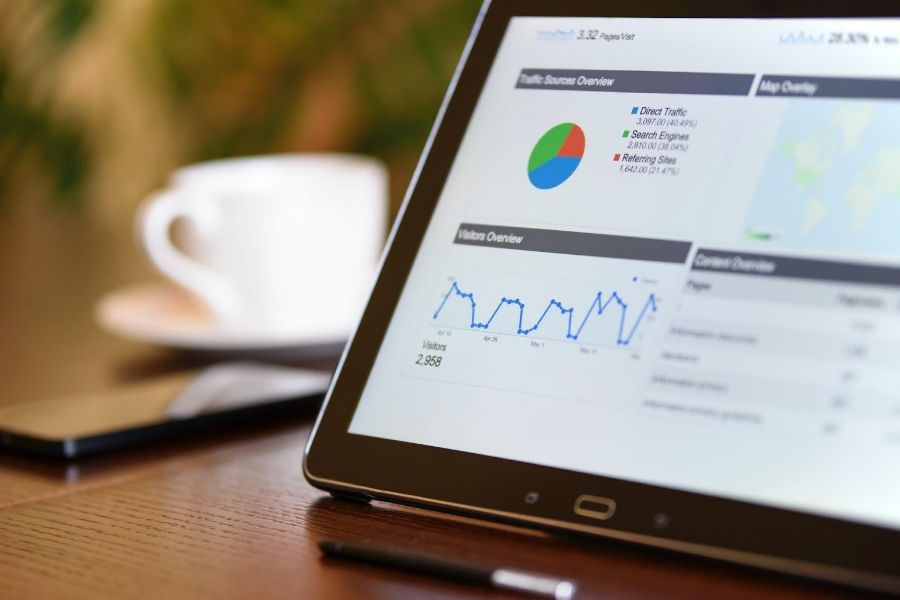
POS reports are summaries of the information collected by a point of sale system. Depending on the system and business type, these reports can include sales, products, payments, discounts, refunds, employee activity, and other transaction information.
For restaurants, cafes, pubs, and other hospitality businesses, these reports provide a clearer view of what is happening across the business.
The most useful part is that business owners can turn this information into practical decisions.
1. Identify Your Best-Selling Products
One of the simplest ways to use POS reports is to find out which products sell the most.
A sales report can show which menu items or products generate the highest number of sales. This information can help businesses understand what customers prefer.
For example, a restaurant may discover that certain meals consistently perform well. The business could then make sure those ingredients are properly stocked and consider featuring popular items more prominently on the menu.
At the same time, products with consistently low sales can be reviewed to determine whether their pricing, placement, or availability needs to change.
2. Understand Sales Trends
Sales can change throughout the day, week, month, or year.
POS reports allow business owners to compare sales across different periods and identify patterns. For example, a business may notice that weekends generate significantly more sales than weekdays.
Understanding these trends can help with staffing, stock purchasing, promotions, and other planning decisions.
Instead of asking why sales changed, owners can use historical POS data to investigate when and where those changes occurred.
3. Improve Inventory Management
Inventory management is an important part of running a restaurant or retail business.
POS reports can show which products are selling quickly and which ones are moving slowly. This information can help businesses make more informed purchasing decisions.
If a product sells quickly, the business can pay closer attention to its stock levels. On the other hand, regularly purchasing products with very low sales can result in unnecessary stock and increased costs.
By connecting sales information with inventory management, businesses can make purchasing decisions based on actual sales activity.
4. Understand Your Busiest Hours
Knowing when customers are most active can help businesses plan their staff and operations more effectively.
POS reports can provide information about sales during different times of the day. A restaurant might find that its busiest period is during lunch, while a pub may experience higher sales later in the evening.
This information can help business owners plan staffing levels around actual demand.
Having the right number of employees during busy periods can also help reduce delays and improve the customer experience.
5. Monitor Employee Sales Activity
A modern POS system can also provide useful information about employee activity.
POS employee management features can help business owners understand sales activity by employee, shift, or location, depending on the system’s capabilities.
These reports can be useful for identifying sales patterns and reviewing daily operations. They can also help managers understand how different shifts are performing.
Importantly, employee reports should be used alongside other business information rather than as the only measure of performance.
6. Review Discounts, Refunds and Voids
Sales reports are not only about completed sales.
Businesses can also use POS reporting to review discounts, refunds, voided transactions, and other adjustments. Monitoring these activities can help managers understand where changes are occurring within their sales.
For example, if a business notices an unusual increase in discounts or refunds, management can review the transactions and investigate the reason.
Regular reporting can therefore help businesses maintain better visibility over daily transactions.
7. Compare Different Business Periods
Comparing sales from different periods can provide useful information about business performance.
Business owners can compare:
- Daily sales
- Weekly sales
- Monthly sales
- Product performance
- Payment methods
- Sales by location
- Sales by employee
- Peak trading periods
These comparisons can help identify changes that may otherwise be difficult to notice.
For businesses with multiple locations, comparing reports across stores can also provide a clearer understanding of how each location is performing.
8. Make Better Pricing Decisions
Pricing is another area where POS data can be useful.
By reviewing product sales, business owners can see how customers respond to different products and prices. This does not mean that a POS system automatically determines the right price. Instead, it provides useful information that can support the decision-making process.
For example, if a product has consistently low sales, the owner can review its price alongside other factors such as demand, product quality, and competitors.
Using sales data alongside other business information can lead to more informed pricing decisions.
9. Plan Promotions More Effectively
POS reports can also help businesses understand the results of promotions.
After running a promotion, owners can review sales data to see whether product sales changed during the promotional period.
This can help answer practical questions:
- Did sales increase?
- Which products received more attention?
- Did customers purchase additional products?
- Did the promotion perform differently from a normal sales period?
Over time, this information can help businesses understand which types of promotions are worth repeating.
10. Use POS Data for Smarter Business Planning
The biggest benefit of POS reporting is that it brings different areas of business activity together.
Instead of looking at individual transactions, business owners can identify broader patterns in their sales and operations.
A POS system can provide useful information for decisions involving:
- Stock purchasing
- Staff scheduling
- Product selection
- Menu planning
- Promotions
- Pricing
- Store performance
- Daily operations
For businesses using hospitality POS systems Australia wide, having accessible and reliable reporting can be particularly useful when managing busy restaurants, cafes, pubs, and other hospitality venues.
How Modern POS Systems Make Reporting Easier
Traditional manual reporting can take significant time and may make it difficult to identify trends quickly.
Modern POS systems can collect transaction information automatically and organise it into different reports. This allows business owners and managers to access useful information without manually reviewing every transaction.
Some modern systems are also introducing AI-powered features. An AI POS system may help businesses analyse large amounts of sales information and identify patterns more efficiently.
However, AI should support business decisions rather than replace them. Business owners still need to consider factors such as costs, customer feedback, market conditions, and operational requirements.
Choose a POS System That Provides Useful Reports
Not every business needs the same reports. A restaurant may focus heavily on menu sales, table activity, payments, and employee performance, while a retailer may need more detailed inventory and product reports.
When choosing a POS system in Australia, businesses should consider whether the system provides the reports they actually need.
It is also worth checking whether reports are easy to understand, whether information can be filtered by date or location, and whether managers can access the information when they need it.
Make Decisions Based on Data, Not Guesswork
A POS system is more than a tool for processing payments. The information collected through everyday transactions can provide valuable insights into how a business operates.
By regularly reviewing POS reports, business owners can identify sales trends, understand customer demand, manage inventory, monitor operations, and plan more effectively.
The goal is not to collect as much data as possible. The goal is to turn useful data into practical business decisions.
Conclusion
POS reports give business owners a clearer view of their day-to-day operations. From identifying best-selling products to understanding busy periods and monitoring sales activity, the right reports can support better planning.
For restaurants, cafes, pubs, retailers, and other businesses, choosing a POS system with clear and useful reporting features can make it easier to understand performance and respond to changing customer demand.
When businesses use their POS data effectively, everyday transactions become more than sales records, they become useful information for making smarter business decisions.