How POS Reports Improve Daily Business Operations

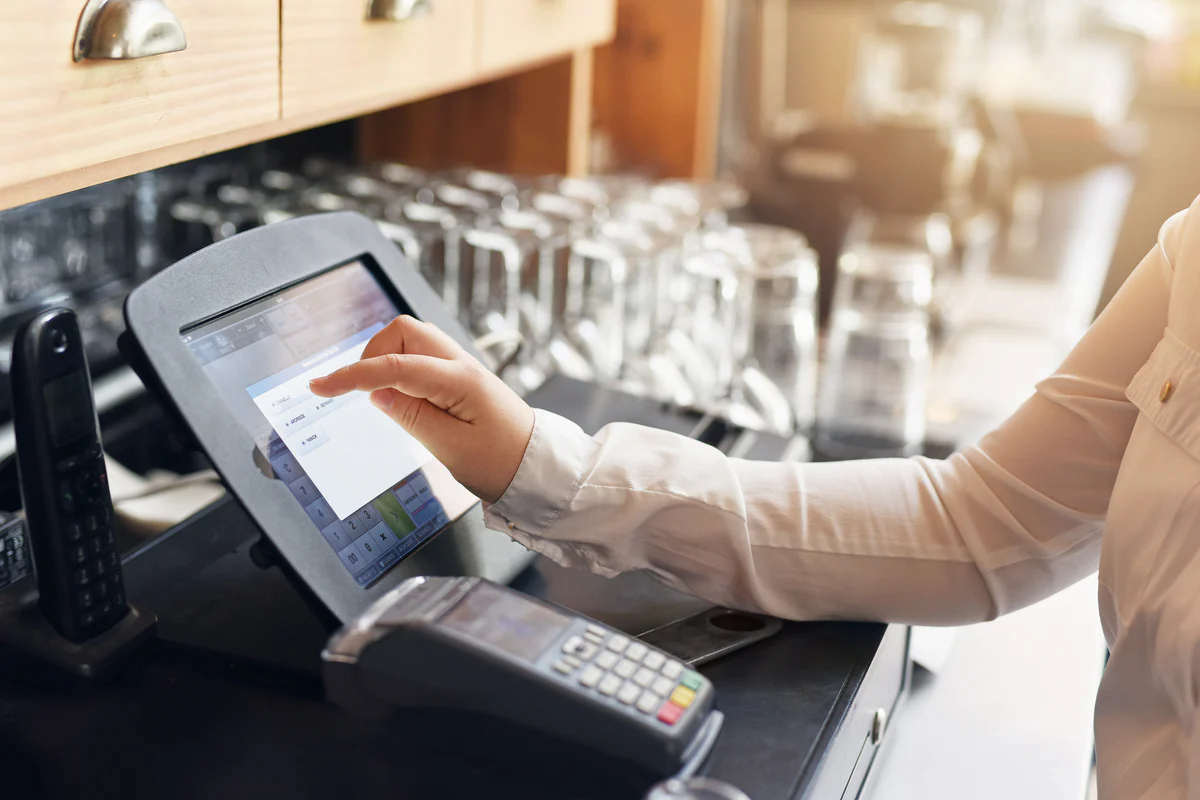
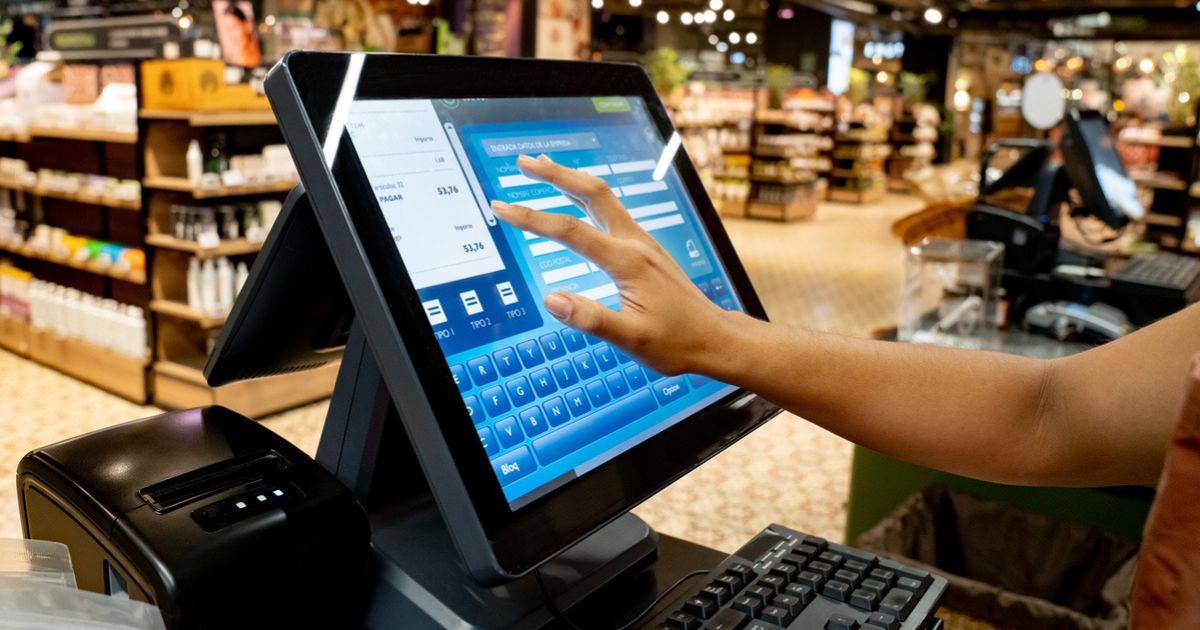
In today’s competitive business environment, success depends on making fast, accurate, and informed decisions. Modern businesses generate large amounts of transactional data every day, but without proper organization, this data can easily become overwhelming. This is where Point of Sale (POS) systems play a vital role. Beyond processing payments, POS systems provide detailed reports that help business owners streamline daily operations, improve efficiency, and increase profitability.
Understanding POS Reporting
A POS system records every transaction that occurs within a business. These transactions are automatically converted into structured reports that present valuable insights about sales, inventory, customer behavior, and staff performance. Instead of relying on manual recordkeeping or guesswork, business owners can access real-time information to manage operations more effectively.
POS reports typically include daily sales summaries, product performance reports, inventory levels, employee activity reports, and financial overviews. Together, these insights allow managers to understand exactly how their business is performing at any moment.
Enhancing Daily Sales Management
One of the biggest advantages of POS reports is improved sales tracking. Daily sales reports show total revenue, peak business hours, popular products, and payment methods used by customers. This information helps businesses adjust staffing schedules, manage busy periods, and focus marketing efforts on best-selling items.
For example, if reports reveal higher customer traffic during certain hours, managers can schedule more staff during those times. This ensures faster service, reduced waiting times, and improved customer satisfaction.
Improving Inventory Control
Inventory management is a daily challenge for many businesses. Overordering leads to wasted resources, while stock shortages can result in lost sales. POS reporting solves this problem by automatically tracking inventory levels after every transaction.
With accurate inventory reports, businesses can quickly identify low-stock items, monitor fast-moving products, and avoid overstocking. Automated alerts can notify managers when it is time to reorder supplies, helping maintain smooth operations without manual checks.
Supporting Better Staff Management
POS reports also help businesses manage employee performance more effectively. Managers can review transaction histories, sales performance, and productivity levels for individual staff members. This makes it easier to identify top performers, provide training where needed, and ensure accountability.
Clear performance insights promote fair scheduling, encourage teamwork, and improve overall workplace efficiency. Employees understand expectations better when performance data is transparent and measurable.
Simplifying Financial Tracking
Daily financial management becomes significantly easier with POS reporting tools. Instead of manually calculating revenue and expenses, business owners receive automated financial summaries. These reports help track profits, monitor cash flow, and reconcile payments quickly.
Accurate financial reporting reduces errors and saves valuable administrative time. Business owners can focus more on growth strategies rather than spending hours reviewing spreadsheets or handwritten records.
Enabling Faster Decision-Making
Successful businesses rely on timely decisions. POS reports provide real-time insights that allow managers to respond immediately to changing business conditions. Whether adjusting prices, launching promotions, or restocking inventory, decisions can be based on reliable data rather than assumptions.
This responsiveness helps businesses stay competitive and adapt quickly to customer demand.
Improving Customer Experience
POS reporting also contributes to better customer service. By analyzing purchasing patterns and customer preferences, businesses can personalize promotions and recommend popular products. Faster checkout processes, well-stocked shelves, and efficient staff scheduling all contribute to a smoother customer experience.
Satisfied customers are more likely to return, helping build long-term loyalty and consistent revenue.
Conclusion
POS systems have evolved far beyond simple payment processing tools. Their reporting capabilities have become essential for managing daily business operations efficiently. From sales tracking and inventory management to staff monitoring and financial control, POS reports provide the clarity businesses need to operate smoothly.