How POS Reports Support Faster and Confident Decision-Making
In today’s fast-paced business environment, the ability to make quick and confident decisions can determine long-term success. Delayed insights, incomplete data, or manual reporting often slow down decision-making and increase the risk of costly mistakes. This is where Point of Sale (POS) reports play a critical role. By providing accurate, real-time, and structured information, POS reports empower businesses to act faster and with greater confidence.
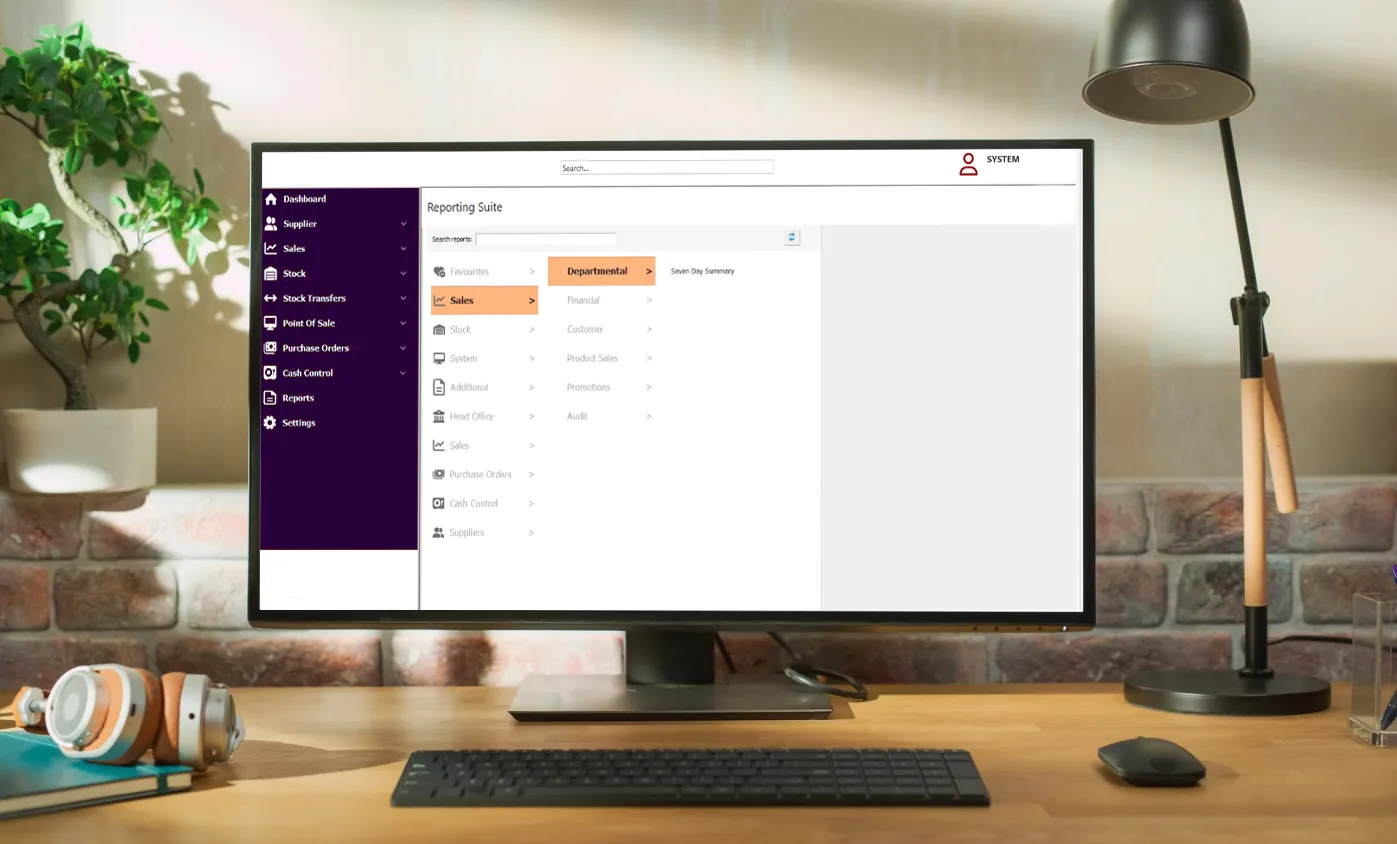
POS systems collect data at the moment each transaction occurs. Sales, payments, discounts, returns, and inventory movements are automatically recorded and organized into easy-to-understand reports. This immediate access to data removes the need to wait for manual summaries or end-of-day calculations. Managers can review performance instantly and make timely decisions based on what is actually happening in the business.
One of the main ways POS reports enable faster decisions is through real-time sales insights. Daily sales reports show which products are performing well and which are underperforming. Instead of relying on assumptions, decision-makers can quickly adjust pricing, introduce promotions, or discontinue slow-moving items. This speed is especially valuable during peak seasons or high-traffic hours when rapid adjustments can significantly impact revenue.
Inventory-related decisions also become quicker and more accurate with POS reporting. Inventory reports clearly show stock levels, product movement, and reorder needs. When businesses can instantly see what is running low or what is overstocked, they can make confident purchasing decisions. This reduces the risk of stockouts that frustrate customers or excess inventory that ties up capital.
POS reports also support confident staffing and operational decisions. Reports that track sales by hour, day, or shift help managers identify busy and slow periods. With this insight, staffing schedules can be adjusted to match customer demand. This ensures optimal service levels without overstaffing, improving both customer satisfaction and cost efficiency. Because these decisions are backed by clear data, managers can act without hesitation.
Financial decision-making becomes significantly easier with POS reports. Sales summaries, tax reports, and payment method breakdowns provide a clear view of cash flow and revenue patterns. Managers can quickly assess daily performance, compare it with targets, and identify gaps. Having accurate financial data readily available builds confidence when approving expenses, planning budgets, or making investment decisions.
Another important benefit of POS reporting is reduced uncertainty. When decisions are based on incomplete or outdated information, there is always doubt. POS reports eliminate much of this uncertainty by presenting consistent and reliable data. Whether reviewing daily sales or long-term trends, decision-makers can trust the information, allowing them to focus on strategy rather than verification.
Trend analysis further strengthens confident decision-making. POS systems store historical data that can be analyzed over weeks, months, or years. These reports highlight patterns in customer behavior, seasonal demand, and product performance. With this knowledge, businesses can anticipate future needs and make proactive decisions instead of reacting to problems after they arise. This forward-looking approach leads to more stable and predictable growth.
POS reports also improve communication and alignment within the business. When all departments rely on the same data, decisions are made faster and with less disagreement. Managers, finance teams, and supervisors can review identical reports, ensuring everyone understands the current situation. This shared clarity reduces delays caused by conflicting information or repeated discussions.
Finally, POS reporting supports confident problem-solving. When issues such as declining sales or increased returns occur, detailed reports help identify the root cause quickly. Decision-makers can pinpoint where the problem started and take corrective action without delay. This ability to respond swiftly minimizes losses and keeps operations running smoothly.
In conclusion, POS reports are powerful tools for faster and more confident decision-making. By delivering real-time insights, accurate data, and clear trends, they replace guesswork with clarity. Businesses that rely on POS reporting can respond quickly, plan strategically, and move forward with confidence in every decision they make.