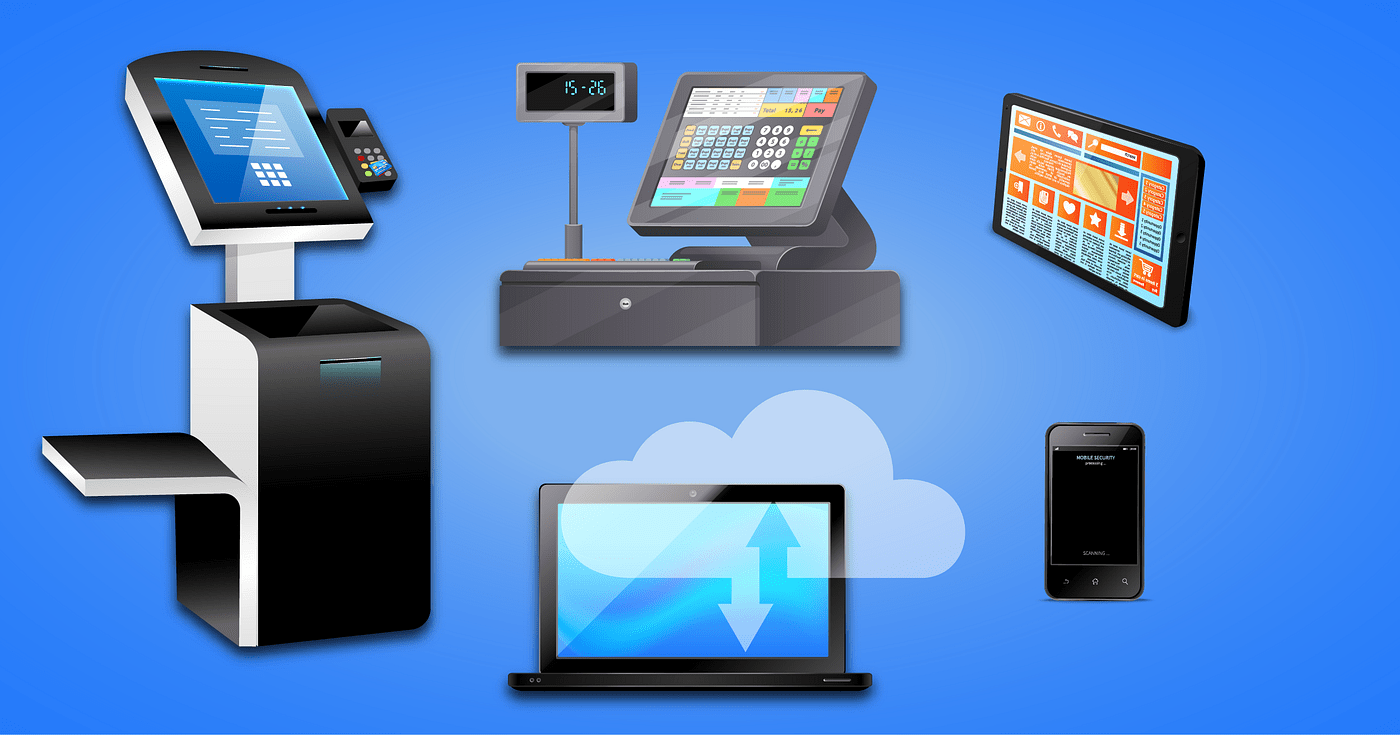
How POS Systems Help Businesses Deliver Consistent Service
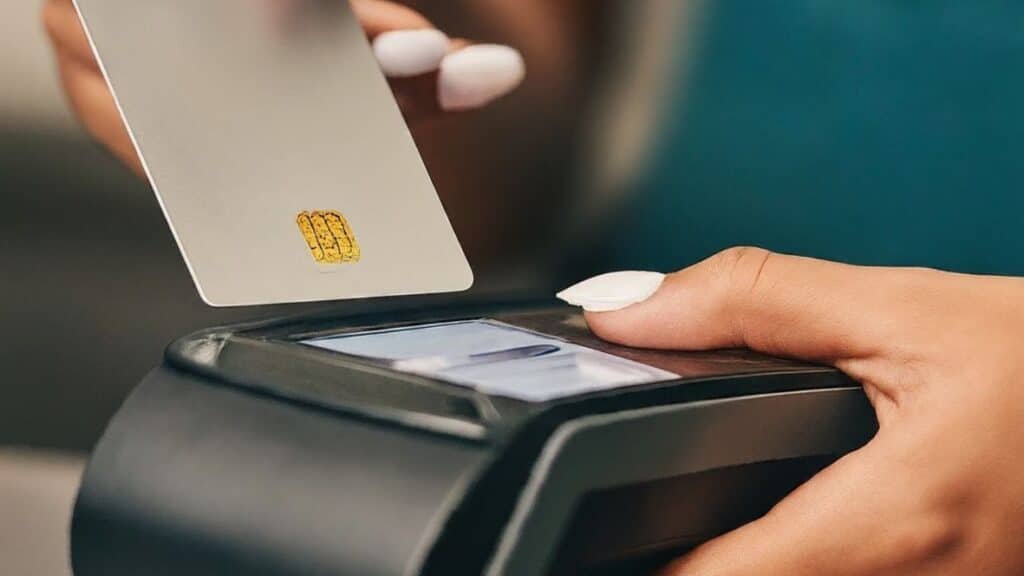
Delivering consistent service is one of the most important factors in building a successful business. Customers expect the same quality, speed, and experience every time they visit, whether it’s a retail store, café, or restaurant. Maintaining this level of consistency can be challenging, especially as businesses grow. This is where Point of Sale (POS) systems become essential tools for ensuring reliable and uniform service.
One of the key ways POS systems support consistency is by streamlining order processing. In traditional systems, manual errors such as incorrect orders, missed items, or billing mistakes can occur frequently. A POS system automates the entire process, ensuring that every order is accurately recorded and sent directly to the appropriate department, such as the kitchen or stockroom. This reduces confusion and helps staff deliver exactly what the customer requested every time.
Speed is another important factor in consistent service, and POS systems significantly improve transaction efficiency. With quick billing, digital payments, and automated calculations, customers spend less time waiting in line. Faster service not only improves customer satisfaction but also ensures that every customer receives the same level of prompt attention, even during busy hours. This consistency in speed creates a positive and reliable customer experience.
POS systems also help standardize pricing and product information. All items, prices, and discounts are pre-set within the system, which eliminates the risk of staff charging different prices for the same product. This is particularly important for businesses with multiple employees or branches, where maintaining uniform pricing is crucial. Customers feel more confident and satisfied when they know they are being charged fairly and consistently.
Another major benefit of POS systems is their ability to maintain accurate inventory levels. When stock is managed manually, businesses may run out of popular items or overstock less demanded products. A POS system updates inventory in real time, ensuring that staff always know what is available. This prevents situations where customers are told an item is in stock when it is not, helping maintain trust and consistency in service.
Employee performance and training also play a vital role in delivering consistent service. POS systems simplify staff training by providing an easy-to-use interface that guides employees through transactions. New staff can quickly learn how to process orders, apply discounts, and handle payments without confusion. Additionally, managers can monitor employee activity through the system, ensuring that all staff follow the same procedures and standards.
Customer data collected through POS systems further enhances service consistency. Businesses can track customer preferences, past purchases, and feedback. This allows them to provide personalized experiences while maintaining a consistent level of service. For example, a returning customer can receive the same product recommendations or customized offers based on their history, creating a familiar and reliable experience.
POS systems also improve communication between different parts of a business. In restaurants, for example, orders entered into the POS system are instantly sent to the kitchen, reducing miscommunication between servers and chefs. In retail, stock updates are shared across departments, ensuring everyone is working with accurate information. This smooth flow of communication helps maintain consistency across all operations.
In addition, POS systems provide detailed reports that help businesses identify and fix inconsistencies. Managers can analyze sales data, customer feedback, and operational performance to spot issues such as delays, errors, or low-performing products. By addressing these problems quickly, businesses can maintain a high standard of service at all times.
In conclusion, POS systems play a crucial role in helping businesses deliver consistent service. From accurate order processing and faster transactions to standardized pricing and better inventory management, these systems ensure that every customer receives the same high-quality experience. By reducing errors, improving efficiency, and providing valuable insights, POS systems help businesses build trust, enhance customer satisfaction, and achieve long-term success.