How POS Systems Help Businesses Monitor Revenue Growth
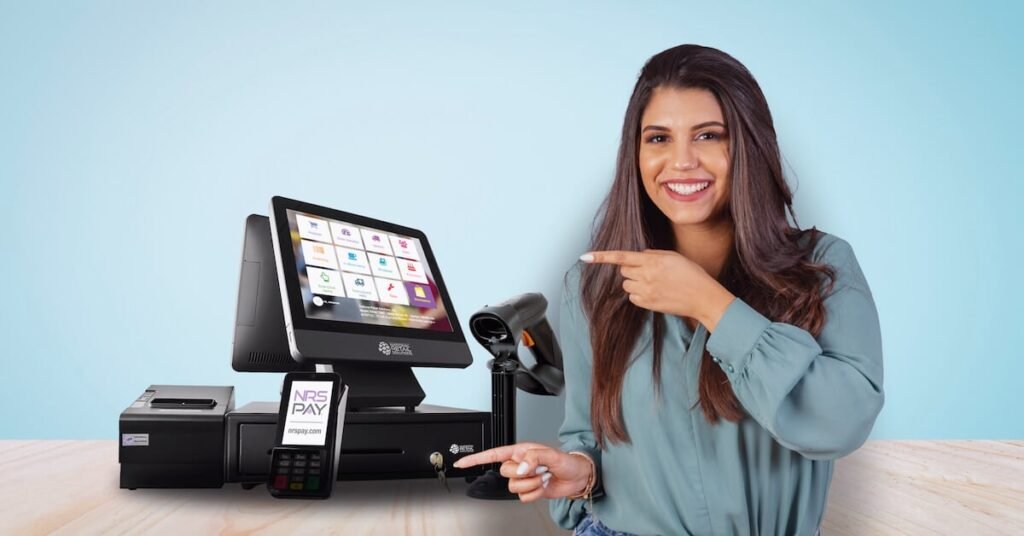
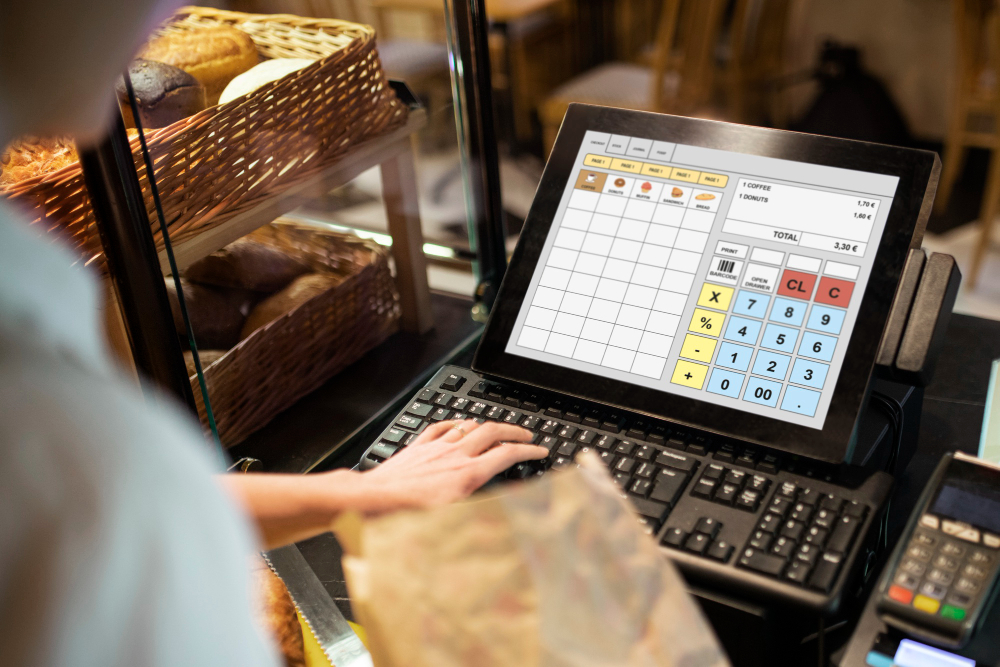
In today’s competitive business environment, understanding and tracking revenue growth is essential for success. Businesses need accurate information about their sales, profits, and customer behavior to make informed decisions. Traditional methods of tracking sales, such as manual records or basic cash registers, often fail to provide detailed insights. This is where Point of Sale (POS) systems play a crucial role. POS systems not only process transactions but also provide advanced reporting tools that help businesses monitor and analyze revenue growth effectively.
Real-Time Sales Tracking
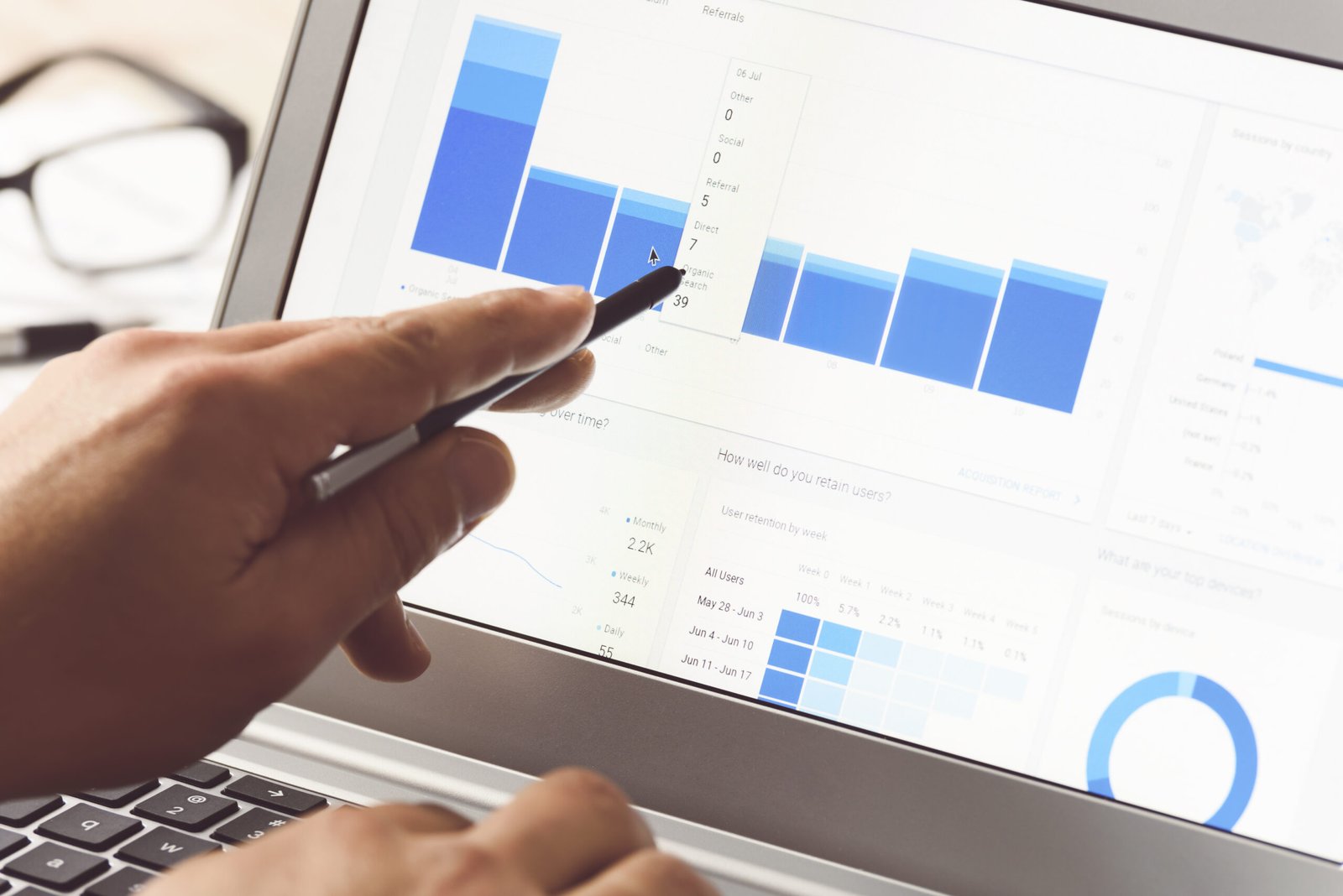
One of the biggest advantages of POS systems is their ability to track sales in real time. Every transaction made through the POS system is automatically recorded and stored in a digital database. Business owners can instantly view daily, weekly, or monthly sales reports without waiting for manual calculations.
Real-time data allows businesses to quickly understand how much revenue they are generating at any given moment. This helps managers identify busy hours, high-performing days, and seasonal trends. By analyzing this information, businesses can adjust their strategies to maximize revenue during peak periods and improve performance during slower times.
Detailed Sales Reports
POS systems generate comprehensive sales reports that provide deeper insights into business performance. These reports include information about total sales, profit margins, discounts, and refunds. With this data, business owners can clearly see how their revenue is changing over time.
For example, comparing monthly sales reports can reveal whether the business is growing or experiencing a decline. If revenue drops during a certain period, managers can investigate the cause and take corrective actions. These insights help businesses stay proactive and maintain consistent growth.
Product Performance Analysis
Another way POS systems help monitor revenue growth is by analyzing product performance. POS reports show which products are selling the most and which items are not performing well.
By understanding product performance, businesses can focus on promoting their best-selling items and adjust their inventory accordingly. For example, if a particular product consistently generates high sales, the business can ensure it is always in stock and even consider introducing similar products. On the other hand, slow-selling products can be replaced or discounted to reduce losses.
Customer Insights
POS systems also provide valuable information about customer behavior. Many modern POS systems can track customer purchase history, preferences, and spending patterns. These insights help businesses understand which products customers prefer and how often they return.
By analyzing customer data, businesses can create targeted promotions, loyalty programs, and personalized offers. These strategies encourage repeat purchases and increase overall revenue. Understanding customer behavior also helps businesses improve their products and services, leading to stronger long-term growth.
Inventory and Revenue Connection
Inventory management is closely linked to revenue growth. If a popular product is out of stock, the business loses potential sales. POS systems help prevent this problem by automatically updating inventory levels after each transaction.
Business owners can generate inventory reports to see which products need restocking and which items are overstocked. This ensures that high-demand products are always available for customers. Efficient inventory management not only prevents lost sales but also reduces unnecessary storage costs.
Better Financial Planning
POS systems provide accurate financial data that supports better planning and forecasting. Business owners can review historical sales data to predict future revenue trends. This information is useful when planning marketing campaigns, expanding product lines, or opening new locations.
Accurate revenue tracking also helps businesses set realistic financial goals and measure progress over time. Instead of relying on estimates, businesses can make decisions based on reliable data from their POS system.
Conclusion
POS systems have become an essential tool for businesses that want to monitor and improve their revenue growth. With real-time sales tracking, detailed reports, product analysis, and customer insights, these systems provide valuable information that helps businesses make smarter decisions.
By using POS data effectively, businesses can identify growth opportunities, improve inventory management, and enhance customer experiences. In the long run, a well-implemented POS system not only simplifies daily operations but also supports sustainable revenue growth and long-term business success.