How POS Systems Help Businesses Scale and Expand

As businesses grow, managing operations becomes more complex. Owners must handle increasing sales, larger inventories, more employees, and higher customer expectations. Without the right tools, expansion can become difficult and inefficient. A Point of Sale (POS) system plays a crucial role in helping businesses scale and expand by simplifying operations, improving data management, and providing valuable insights that support growth.
A POS system does much more than process payments. It serves as a central platform that manages sales, inventory, customer data, and business reporting. When businesses use a reliable POS system, they can handle larger volumes of transactions smoothly and maintain organized records. This efficiency is essential when a business begins to grow and attract more customers.
One of the most important ways POS systems support business expansion is through accurate sales tracking. As businesses grow, tracking sales manually becomes time-consuming and prone to errors. POS systems automatically record every transaction, allowing business owners to monitor revenue in real time. With clear sales data, businesses can identify top-performing products, popular services, and peak sales periods. This information helps owners make better decisions when expanding their product lines or opening new locations.
Inventory management is another key factor in business growth, and POS systems make this process much easier. As businesses expand, they often need to manage larger quantities of products across multiple locations. A POS system tracks inventory levels automatically and updates stock records whenever a sale is made. This helps prevent stock shortages or overstocking, both of which can negatively affect profitability. With accurate inventory reports, businesses can plan restocking efficiently and maintain consistent product availability.
POS systems also improve employee management, which becomes increasingly important as businesses grow. Expanding businesses often hire more staff to handle higher customer demand. Many POS systems include features that track employee sales, working hours, and productivity. These reports allow managers to evaluate staff performance and ensure that employees are contributing effectively to business goals. Efficient employee management helps maintain productivity and service quality even as the business grows.
Customer data is another valuable resource that POS systems help businesses manage. Modern POS systems can store customer purchase histories and preferences. This information helps businesses understand customer behavior and build stronger relationships. By analyzing customer data, businesses can create targeted promotions, loyalty programs, and personalized offers. These strategies encourage repeat purchases and help attract new customers, which supports long-term expansion.
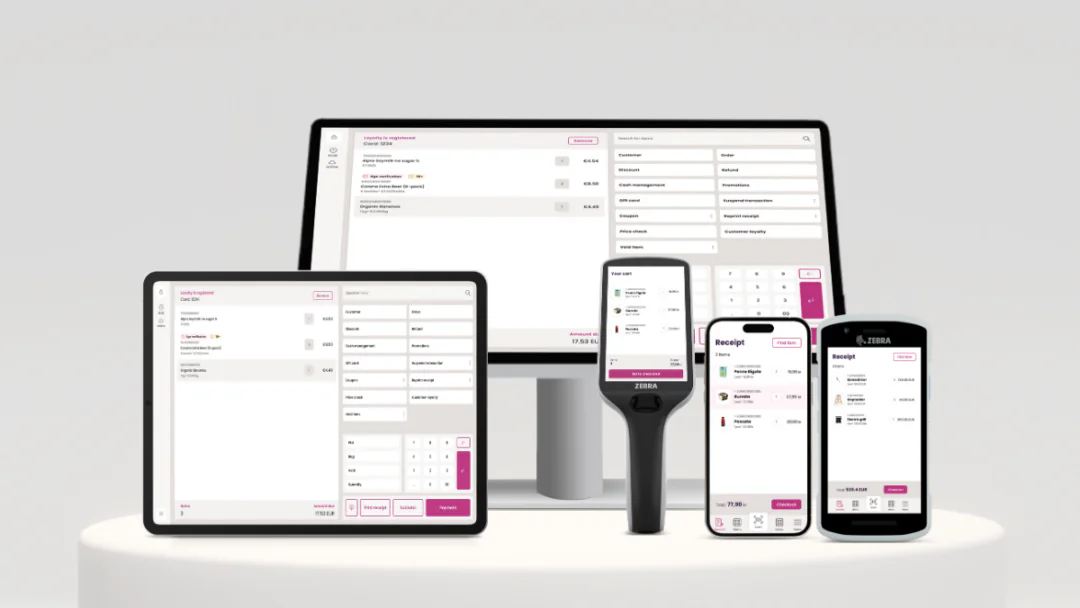
Another major advantage of POS systems is their ability to support multi-location management. When businesses expand to new locations, managing operations across different branches can become challenging. A cloud-based POS system allows business owners to monitor all locations from a single dashboard. They can track sales, inventory, and employee performance across every branch in real time. This centralized control helps maintain consistency in pricing, promotions, and operations across all locations.
POS systems also simplify financial management during business growth. Accurate financial records are essential for budgeting, forecasting, and planning future investments. POS-generated reports provide clear insights into revenue, expenses, and profit margins. With this information, business owners can confidently decide when to invest in new equipment, hire additional staff, or open new branches.
Automation is another key benefit that supports business scaling. As operations grow, manual processes can slow down productivity and increase the risk of mistakes. POS systems automate tasks such as sales recording, inventory updates, and report generation. This automation saves time and reduces administrative workload, allowing business owners and employees to focus on strategic growth activities.
In conclusion, POS systems are powerful tools that help businesses scale and expand efficiently. By improving sales tracking, inventory management, employee monitoring, and customer insights, they provide the structure needed for sustainable growth. POS systems also support multi-location management and automate essential tasks, making expansion more manageable. For businesses aiming to grow and compete in a dynamic market, implementing a reliable POS system is a smart and essential step toward long-term success.