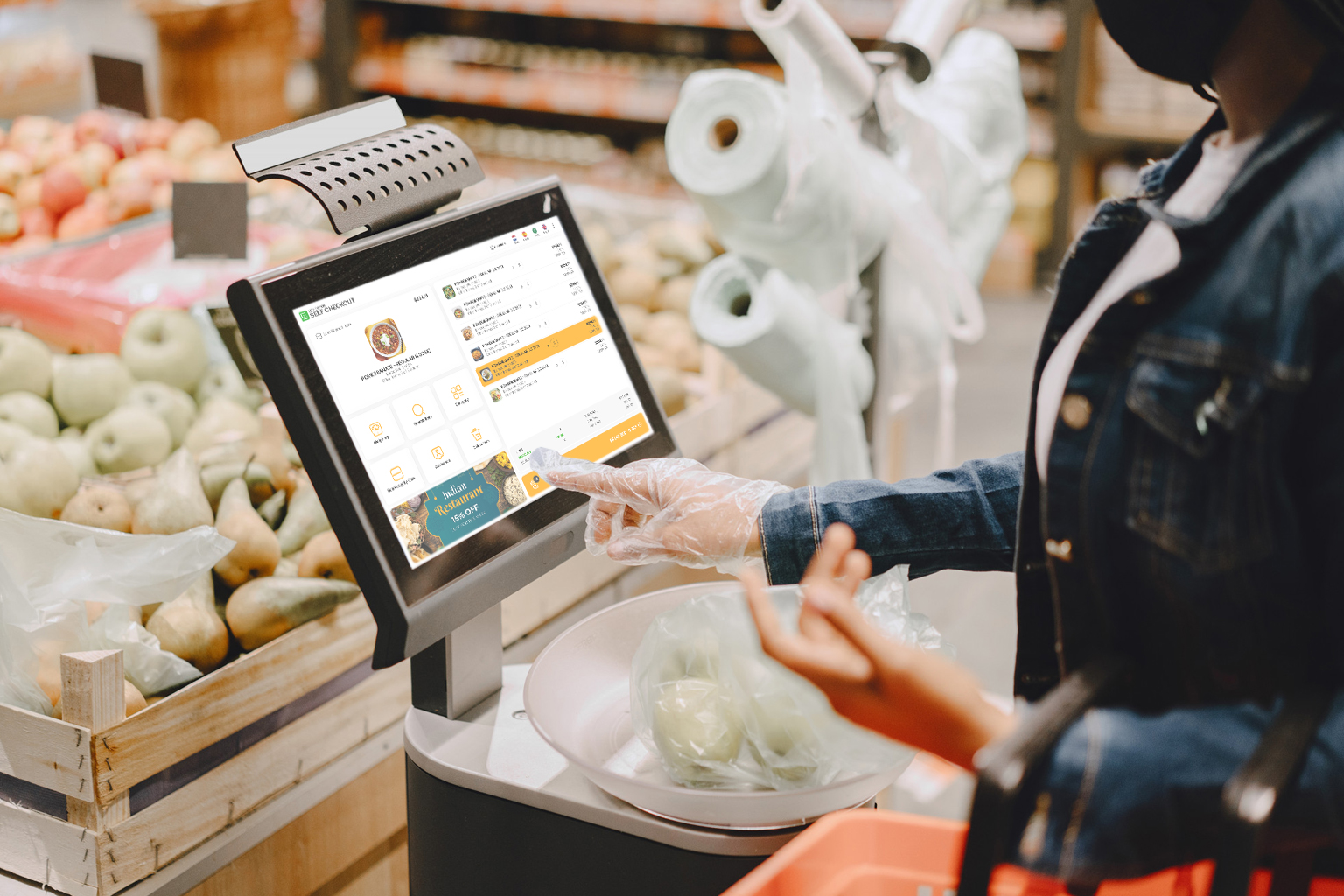
How POS Systems Help Increase Profit Margins

In today’s competitive business environment, increasing profit margins is a top priority for retailers, restaurants, and service-based businesses. While many focus on boosting sales, controlling costs and improving efficiency are equally important. This is where a modern Point of Sale (POS) system plays a crucial role. More than just a billing tool, a POS system is a powerful business solution that helps streamline operations, reduce waste, and maximize profitability.
One of the biggest ways POS systems improve profit margins is through better inventory management. Traditional inventory tracking methods often lead to overstocking or stock shortages, both of which can hurt profits. A POS system provides real-time inventory updates, helping businesses maintain optimal stock levels. This reduces carrying costs, prevents spoilage in perishable goods, and ensures that popular products are always available for customers. By minimizing losses and improving stock control, businesses can significantly increase their margins.
Another key benefit is improved pricing strategies. POS systems provide detailed sales reports and analytics, allowing business owners to understand which products are performing well and which are not. With this data, businesses can adjust pricing, offer targeted promotions, and focus on high-margin items. Instead of guessing, decisions are based on real data, leading to smarter pricing and higher profitability.
POS systems also help reduce human errors, which can directly impact profits. Manual billing processes are prone to mistakes such as incorrect pricing, missed items, or calculation errors. These small issues can add up over time and result in revenue loss. A POS system automates transactions, ensuring accuracy in billing and reducing costly errors. This not only protects revenue but also builds trust with customers.
Labor cost management is another area where POS systems contribute to higher profit margins. Many POS solutions include employee management features such as time tracking, shift scheduling, and performance monitoring. Business owners can identify peak hours and allocate staff more efficiently, avoiding overstaffing or understaffing. By optimizing labor usage, businesses can control one of their largest expenses and improve overall profitability.
In addition, POS systems enhance customer experience, which indirectly boosts profit margins. Faster checkout processes, accurate billing, and multiple payment options create a smooth and convenient experience for customers. Satisfied customers are more likely to return and make repeat purchases, increasing customer lifetime value. Some POS systems also offer loyalty programs and personalized promotions, encouraging customers to spend more and stay loyal to the brand.
Another important advantage is better financial tracking and reporting. POS systems generate detailed reports on sales, expenses, and overall business performance. This transparency helps business owners identify areas where costs can be reduced and profits can be improved. For example, if a certain product is not selling well, it can be replaced with a more profitable option. Similarly, identifying peak sales periods can help businesses plan better marketing and sales strategies.
POS systems also support business scalability, which is essential for long-term profit growth. Whether expanding to multiple locations or adding new product lines, a POS system makes it easier to manage operations from a central platform. This reduces administrative workload and ensures consistency across all locations, leading to better control over costs and higher profit margins.
In conclusion, POS systems are not just tools for processing transactions—they are essential for driving profitability. By improving inventory management, enabling data-driven decisions, reducing errors, optimizing labor costs, and enhancing customer experience, POS systems help businesses operate more efficiently and increase their profit margins. Investing in a reliable POS system is a smart move for any business looking to grow sustainably and stay competitive in today’s fast-paced market.