How POS Systems Help Manage Peak Business Hours

Every business experiences busy periods when customer demand suddenly increases. Restaurants face lunch and dinner rushes, retail stores see crowds during weekends and holidays, and salons manage appointment surges before special events. Handling peak business hours efficiently is essential for maintaining customer satisfaction, staff productivity, and overall profitability. A modern Point of Sale (POS) system plays a vital role in helping businesses stay organized and efficient when operations become hectic.
Faster Checkout and Reduced Waiting Time
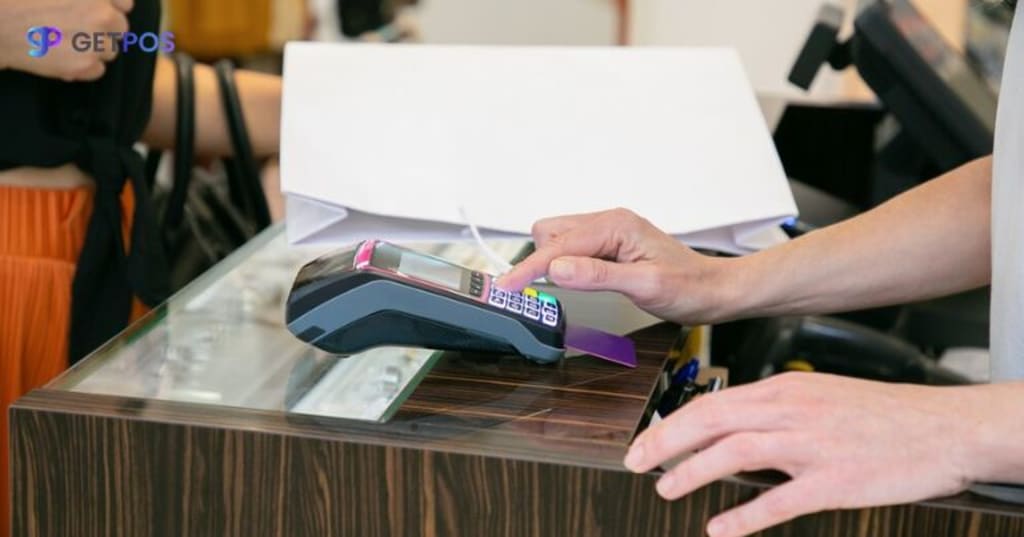
One of the biggest challenges during peak hours is long queues. Customers expect quick service, and delays can lead to frustration or lost sales. POS systems streamline the checkout process by allowing employees to process transactions quickly and accurately.
Modern POS systems support multiple payment methods, including card payments, mobile wallets, and contactless transactions. With faster billing and automatic price calculation, businesses can serve more customers in less time. Mobile POS devices also allow staff to complete transactions anywhere in the store or restaurant, reducing congestion at traditional counters.
Efficient Order Management
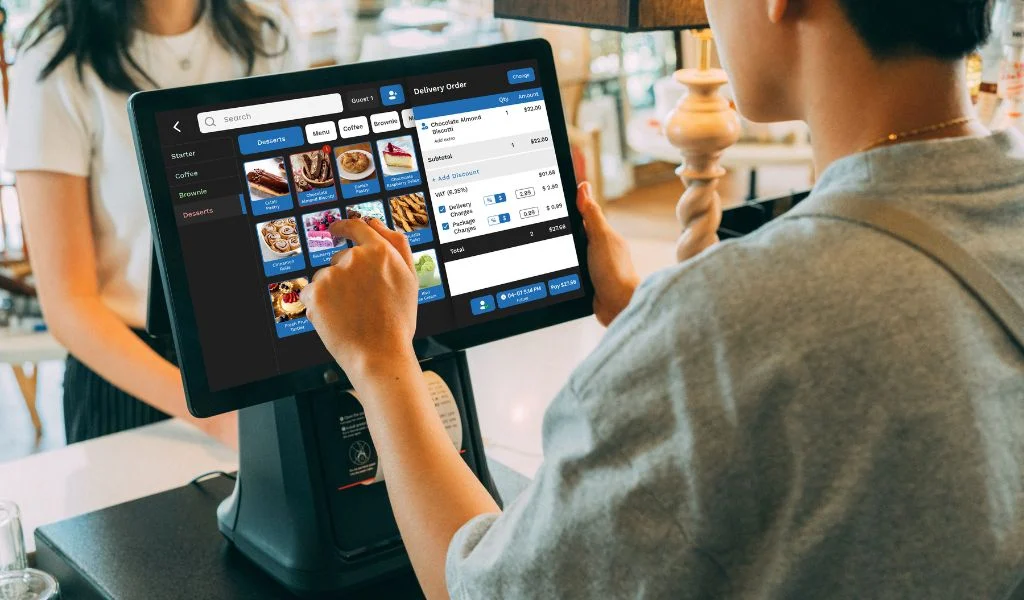
In busy environments like restaurants and cafés, managing orders efficiently becomes critical. POS systems instantly send orders from the counter or table directly to the kitchen or preparation area. This eliminates manual communication errors and ensures orders are prepared in the correct sequence.
Digital order tracking helps staff monitor preparation times, prioritize tasks, and avoid confusion during rush hours. As a result, customers receive their orders faster, and operations remain organized even during the busiest moments of the day.
Real-Time Inventory Control
Peak hours often expose inventory problems. Running out of popular items can negatively impact customer experience and revenue. POS systems provide real-time inventory tracking, automatically updating stock levels with every sale.
Business owners can quickly see which products are selling fast and restock accordingly. Some systems even send low-stock alerts, helping staff react before items run out. This ensures businesses continue serving customers without interruptions during high-demand periods.
Improved Staff Coordination
Managing employees effectively during busy hours is just as important as serving customers. POS systems assist with staff management by tracking employee performance, sales activity, and work schedules.
Managers can identify which staff members handle transactions faster, assign roles efficiently, and monitor productivity in real time. Clear workflows reduce confusion among employees, helping teams work smoothly even under pressure. When staff members know their responsibilities, service becomes faster and more professional.
Accurate Reporting and Demand Insights
Peak business hours generate valuable data that can help improve future operations. POS systems collect and analyze sales information automatically, giving business owners insight into customer behavior and busy time patterns.
Reports can reveal:
- The busiest hours of the day
- Best-selling products during rush periods
- Average transaction times
- Staffing needs based on demand
With this information, businesses can prepare better schedules, adjust inventory levels, and create promotions that maximize revenue during high-traffic periods.
Enhanced Customer Experience
Customer experience often determines whether someone returns to a business. During peak hours, maintaining service quality becomes challenging without the right tools. POS systems support customer satisfaction through faster service, accurate billing, and organized order handling.
Many POS platforms also integrate loyalty programs and customer databases, allowing businesses to recognize returning customers and offer personalized promotions even during busy periods. Smooth service leaves a positive impression and encourages repeat visits.
Better Business Scalability
As businesses grow, peak hours become more intense. A scalable POS system allows companies to add new registers, devices, or locations without disrupting operations. Cloud-based POS solutions enable managers to monitor sales and performance remotely, ensuring control even when multiple locations are busy simultaneously.
Conclusion
Peak business hours can either become an opportunity for growth or a source of operational stress. Businesses that rely on outdated systems often struggle with delays, errors, and dissatisfied customers. Modern POS systems provide the tools needed to manage high demand efficiently through faster transactions, organized workflows, real-time inventory tracking, and valuable business insights.