How POS Systems Help Retailers Maintain Optimal Stock Levels

Inventory management is one of the most important aspects of running a successful retail business. Maintaining the right stock levels ensures smooth operations, satisfied customers, and healthy cash flow. Too much inventory can increase storage costs and tie up capital, while insufficient stock leads to missed sales and disappointed customers. Modern Point of Sale (POS) systems play a vital role in helping retailers maintain optimal stock levels through automation, real-time tracking, and smart data insights.
Real-Time Inventory Tracking
One of the biggest advantages of a modern POS system is real-time inventory tracking. Every time a product is sold, returned, or exchanged, the system automatically updates stock quantities. Retailers no longer need to manually adjust inventory records or perform constant physical checks.
Real-time updates allow business owners and managers to instantly know how much stock is available. This visibility prevents situations where items appear available but are actually out of stock. Accurate inventory information improves customer trust and helps staff provide better service.
Automated Stock Alerts and Reordering
Maintaining optimal stock levels requires timely reordering. POS systems simplify this process by setting minimum stock thresholds. When inventory reaches a predefined level, the system generates automatic alerts or reorder notifications.
These automated reminders reduce the risk of stockouts, ensuring popular products remain available. Retailers can also automate purchase orders, saving time and minimizing human error. This process helps businesses maintain balance — avoiding both overstocking and shortages.
Identifying Fast and Slow-Moving Products
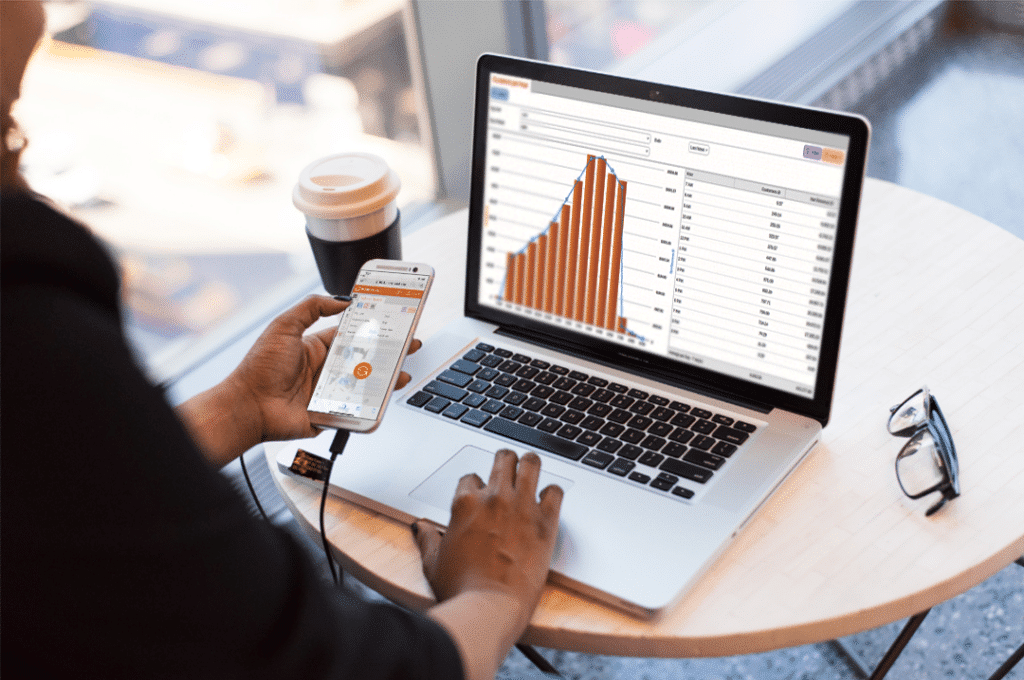
Not all products sell at the same pace. A POS system provides detailed reports showing which items sell quickly and which remain on shelves longer. This information helps retailers make smarter purchasing decisions.
Fast-moving items can be reordered more frequently to meet demand, while slow-moving products may require discounts, promotions, or reduced future orders. By analyzing sales trends, retailers optimize shelf space and invest in products that generate higher profits.
Demand Forecasting and Seasonal Planning
Retail businesses often experience seasonal changes in customer demand. POS systems store historical sales data, allowing retailers to forecast future inventory needs accurately. By reviewing past performance, businesses can prepare for busy seasons, holidays, or promotional periods.
For example, clothing stores may increase stock before festive seasons, while convenience stores can prepare for peak shopping times. Forecasting reduces uncertainty and helps retailers plan inventory purchases with confidence.
Reducing Human Errors in Stock Management
Manual inventory management often leads to mistakes such as incorrect counts, duplicate orders, or missed updates. POS systems automate many inventory processes, significantly reducing human error.
Barcode scanning and automated tracking ensure accurate product entries and stock movements. This accuracy improves operational efficiency and prevents financial losses caused by incorrect inventory records.
Multi-Location Inventory Control
Retailers operating multiple stores face additional challenges in managing stock across locations. A cloud-based POS system centralizes inventory data from all branches into a single dashboard.
Managers can monitor stock levels at different stores, transfer products between locations, and ensure balanced inventory distribution. This flexibility prevents overstock in one location while another store experiences shortages.
Improving Cash Flow and Profitability
Optimal stock management directly impacts financial performance. Excess inventory locks up capital that could be used for marketing, expansion, or operational improvements. On the other hand, stock shortages reduce revenue opportunities.
POS systems provide clear inventory valuation reports, helping retailers understand how much money is invested in stock. With better control over purchasing decisions, businesses maintain healthy cash flow while maximizing profitability.
Enhancing Customer Satisfaction
Customers expect products to be available when they visit a store. Frequent stockouts can damage brand reputation and drive customers to competitors. POS systems help retailers maintain consistent product availability, ensuring customers find what they need.
Reliable stock management leads to faster service, improved shopping experiences, and stronger customer loyalty.
Conclusion
Maintaining optimal stock levels is essential for retail success, and modern POS systems make this task easier and more efficient. Through real-time tracking, automated alerts, smart reporting, and demand forecasting, POS technology empowers retailers to manage inventory with precision.
By reducing errors, improving purchasing decisions, and enhancing customer satisfaction, POS systems transform inventory management into a strategic advantage. Retailers that adopt advanced POS solutions are better equipped to control costs, increase profits, and grow sustainably in today’s competitive retail landscape.