How POS Systems Improve Business Reporting
In today’s competitive business environment, success depends on more than just making sales. Business owners need accurate information to understand performance, monitor growth, and make informed decisions. This is where modern Point of Sale (POS) systems play a powerful role. Beyond processing transactions, POS systems act as intelligent business tools that transform daily sales data into meaningful reports and insights.
Turning Transactions into Actionable Data
Traditional cash registers simply recorded sales totals, offering little insight into business performance. Modern POS systems go much further by capturing detailed information from every transaction. Each sale automatically records product details, pricing, payment methods, customer preferences, and employee activity.
This data is instantly organized into reports that help business owners understand what is happening inside their business in real time. Instead of relying on manual calculations or guesswork, managers can make decisions based on accurate data.
Real-Time Sales Reporting
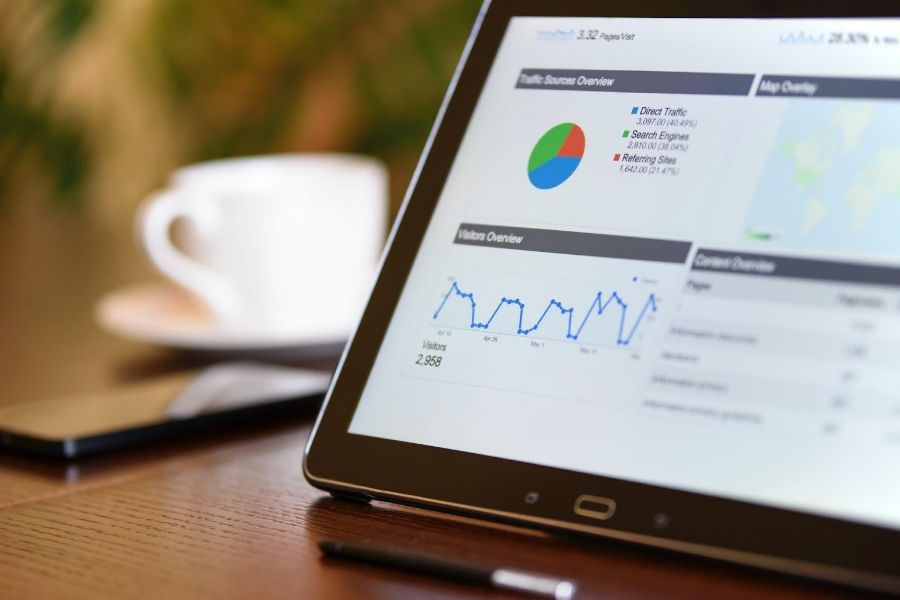
One of the biggest advantages of a POS system is real-time reporting. Business owners no longer need to wait until the end of the day or month to review performance. Sales dashboards provide live updates on revenue, transaction volume, and popular products.
Real-time reporting allows businesses to:
- Monitor daily sales performance
- Identify busy hours and slow periods
- Track revenue trends instantly
- Respond quickly to changes in demand
For example, if sales suddenly drop during a particular time, managers can introduce promotions or adjust staffing immediately.
Better Inventory Reporting
Inventory management is closely connected to business reporting. POS systems automatically update stock levels with each transaction, creating accurate inventory reports without manual counting.
These reports help businesses:
- Identify best-selling products
- Detect slow-moving inventory
- Prevent overstocking or shortages
- Forecast future purchasing needs
Accurate inventory reporting reduces waste, controls costs, and ensures products are always available when customers want them.
Employee Performance Insights
POS systems also improve reporting related to employee productivity. Managers can view individual sales performance, transaction speed, and working hours through automated reports.
This information helps businesses:
- Recognize top-performing staff
- Provide targeted training where needed
- Schedule employees efficiently
- Reduce operational inefficiencies
Data-driven staff management leads to better teamwork and improved customer service.
Financial Accuracy and Simplified Accounting
Manual financial reporting often leads to errors and time-consuming reconciliation. POS systems integrate sales records directly with accounting tools, ensuring financial data remains accurate and organized.
Daily, weekly, and monthly financial reports can be generated automatically, including:
- Revenue summaries
- Tax calculations
- Payment method breakdowns
- Profit margin analysis
Automated reporting reduces human error and saves valuable administrative time, allowing business owners to focus more on growth strategies.
Customer Behavior Analysis
Understanding customers is essential for long-term success. POS systems collect valuable customer data such as purchase history, visit frequency, and spending patterns.
Business reporting tools can reveal:
- Customer preferences
- Popular product combinations
- Seasonal buying trends
- Loyalty program performance
With these insights, businesses can create personalized marketing campaigns, improve product offerings, and build stronger customer relationships.
Data-Driven Decision Making
Perhaps the greatest advantage of POS reporting is the ability to make smarter decisions. Instead of relying on assumptions, business owners can analyze factual data before implementing changes.
POS reports help answer important questions like:
- Which products generate the most profit?
- When should staff levels increase?
- Which promotions deliver the best results?
- Where can operational costs be reduced?
Data-driven decisions minimize risk and increase the chances of business success.
Cloud-Based Reporting Access
Modern cloud POS systems allow business owners to access reports anytime and anywhere. Whether managing a single store or multiple locations, owners can monitor performance remotely using a laptop, tablet, or smartphone.
Remote access ensures managers stay informed even when they are not physically present, providing greater control and flexibility.
Conclusion
Business reporting is no longer a complex or time-consuming task thanks to modern POS systems. By converting everyday transactions into detailed insights, POS technology empowers businesses to understand performance, manage inventory efficiently, monitor staff productivity, and make informed strategic decisions.