How POS Systems Improve Sales Performance
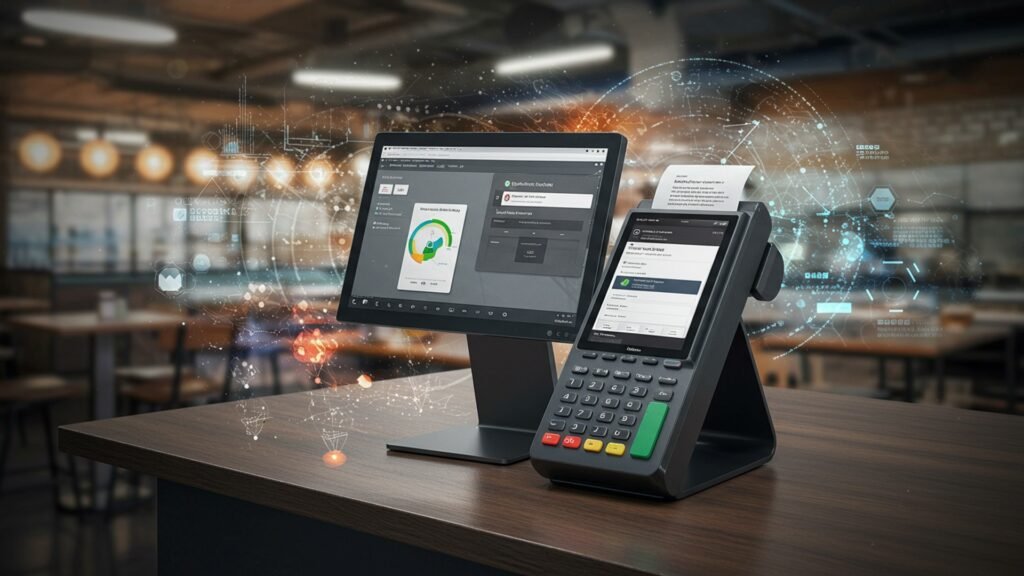
In today’s competitive business environment, improving sales performance is a top priority for every business owner. Whether it’s a retail store, restaurant, or service-based business, having the right tools in place can make a significant difference. One of the most effective tools available today is a Point of Sale (POS) system. Modern POS systems go far beyond simple billing—they play a crucial role in increasing efficiency, improving customer experience, and ultimately boosting sales.
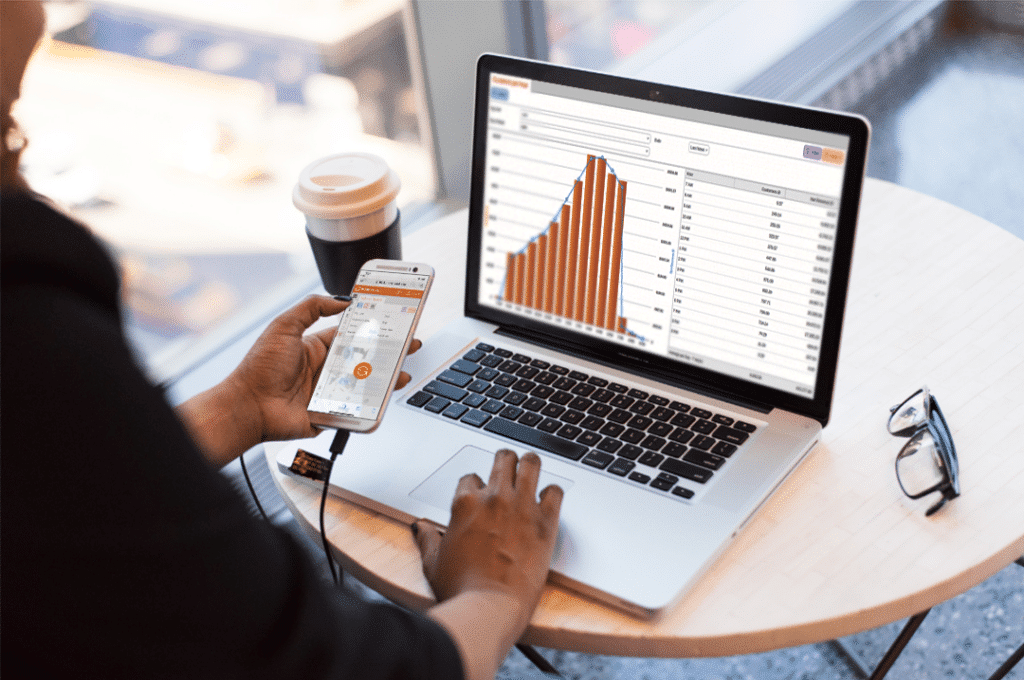
One of the primary ways POS systems improve sales performance is through real-time data tracking. Every transaction is recorded instantly, giving business owners access to accurate sales data at any time. This allows businesses to identify best-selling products, peak hours, and customer buying trends. With these insights, businesses can adjust their strategies, focus on high-performing products, and create targeted promotions that drive more sales.
Another important advantage is better inventory management. A POS system automatically updates stock levels with every sale, helping businesses maintain the right balance of inventory. This reduces the chances of running out of popular items or overstocking products that don’t sell well. When customers consistently find what they are looking for, it leads to higher satisfaction and increased chances of repeat purchases, directly improving sales performance.
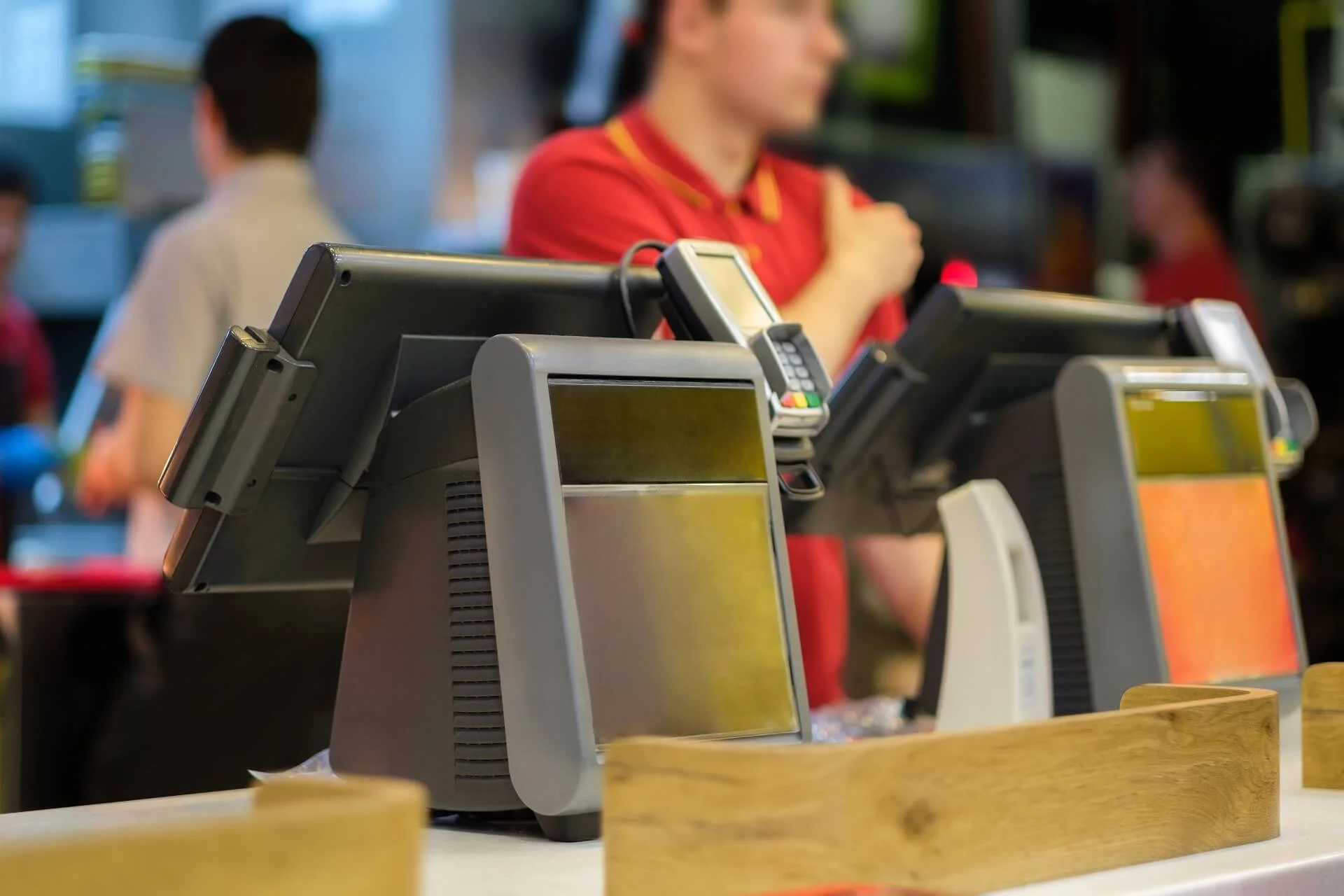
Speed and accuracy at checkout also play a major role in boosting sales. POS systems streamline the billing process, reducing waiting times and minimizing errors. Faster transactions mean more customers can be served in less time, especially during busy hours. A smooth checkout experience leaves a positive impression, encouraging customers to return and recommend the business to others.
POS systems also support effective upselling and cross-selling techniques. By analyzing previous transactions, the system can suggest related products or upgrades during checkout. For example, a retail store can recommend accessories, while a café can suggest add-ons like desserts or beverages. These small suggestions can significantly increase the average order value, leading to higher overall revenue.
Customer relationship management is another powerful feature of modern POS systems. They store valuable customer information such as purchase history and preferences. This data allows businesses to create personalized offers, discounts, and loyalty programs. When customers feel valued and receive tailored experiences, they are more likely to make repeat purchases and spend more over time.
Detailed reporting and analytics further enhance sales performance. POS systems generate easy-to-understand reports that provide insights into daily, weekly, or monthly sales. Business owners can evaluate which strategies are working and which need improvement. These insights help in making smarter decisions, optimizing pricing, and planning effective marketing campaigns.
Additionally, POS systems support multiple payment options, including cash, credit cards, and digital wallets. Providing flexible payment methods makes transactions more convenient for customers. In a world where customers expect fast and seamless payments, this flexibility can significantly reduce abandoned purchases and increase completed sales.
Another key benefit is improved employee productivity. POS systems simplify many manual tasks, allowing staff to focus more on customer service. Employees can process orders quickly, access product information easily, and handle transactions with confidence. Some systems also track employee performance, helping managers identify strengths and areas for improvement. A more efficient and motivated team contributes directly to better sales outcomes.
In conclusion, POS systems are powerful tools that go beyond simple transaction processing. They provide real-time insights, improve operational efficiency, and enhance the overall customer experience. By leveraging these benefits, businesses can make smarter decisions, increase customer satisfaction, and drive consistent sales growth. Investing in a modern POS system is not just a technological upgrade—it is a strategic move toward long-term business success.