How POS Systems Improve Service Quality in Retail
In the competitive world of retail, delivering high-quality service is essential for attracting and retaining customers. Today’s shoppers expect fast, accurate, and personalized experiences every time they visit a store. Point of Sale (POS) systems have become a powerful tool that helps retailers meet these expectations while improving overall service quality.
Faster and More Efficient Transactions
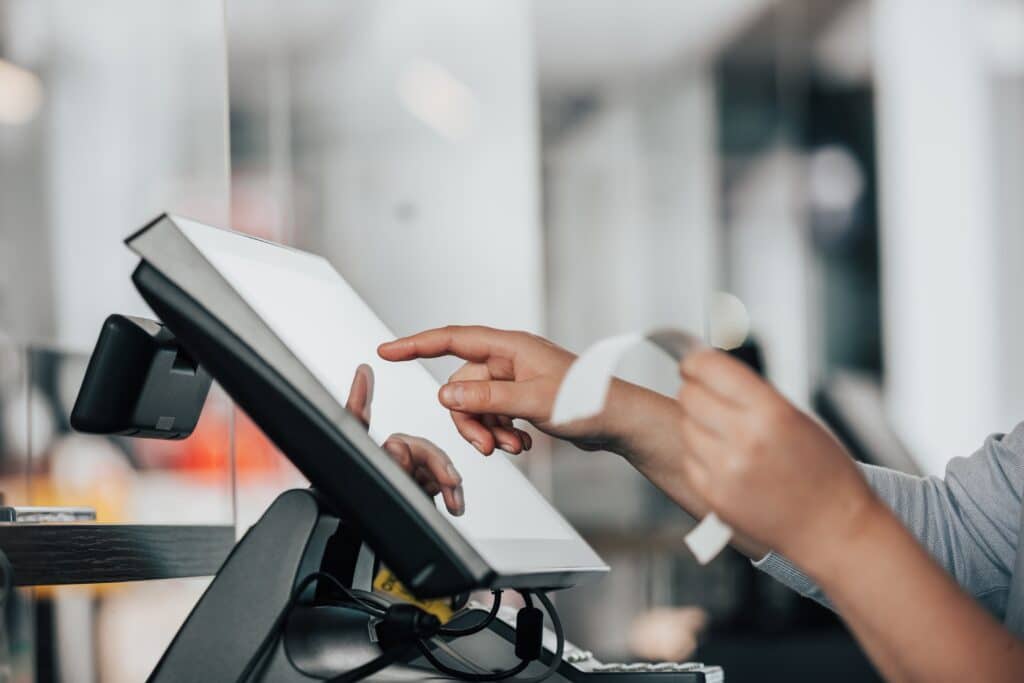
One of the most noticeable ways POS systems improve service quality is by speeding up transactions. Traditional billing methods can be slow and prone to errors, especially during busy hours. POS systems automate the checkout process using barcode scanners and digital pricing, allowing staff to complete transactions quickly and accurately.
Faster checkouts mean shorter lines and happier customers. When customers don’t have to wait long, their overall shopping experience improves significantly.
Improved Accuracy in Billing and Orders
Errors in pricing or billing can negatively impact customer trust. POS systems reduce these mistakes by automatically calculating totals, applying taxes, and updating prices in real time. This ensures that customers are charged correctly every time.
Accurate transactions not only save time but also build confidence in the business. Customers are more likely to return when they know they can rely on consistent and error-free service.
Better Inventory Management
POS systems provide real-time inventory tracking, which plays a key role in improving service quality. Staff can quickly check whether a product is in stock without leaving the customer waiting.
This eliminates the frustration of searching for items or discovering that a product is unavailable after a long wait. With accurate inventory data, retailers can also ensure shelves are well-stocked, reducing the chances of disappointing customers.
Personalized Customer Experience
Modern POS systems store valuable customer data, such as purchase history and preferences. Retailers can use this information to offer personalized recommendations, discounts, and promotions.
For example, when a returning customer visits the store, staff can quickly access their previous purchases and suggest related products. This personalized approach makes customers feel valued and enhances their overall experience.
Streamlined Staff Operations
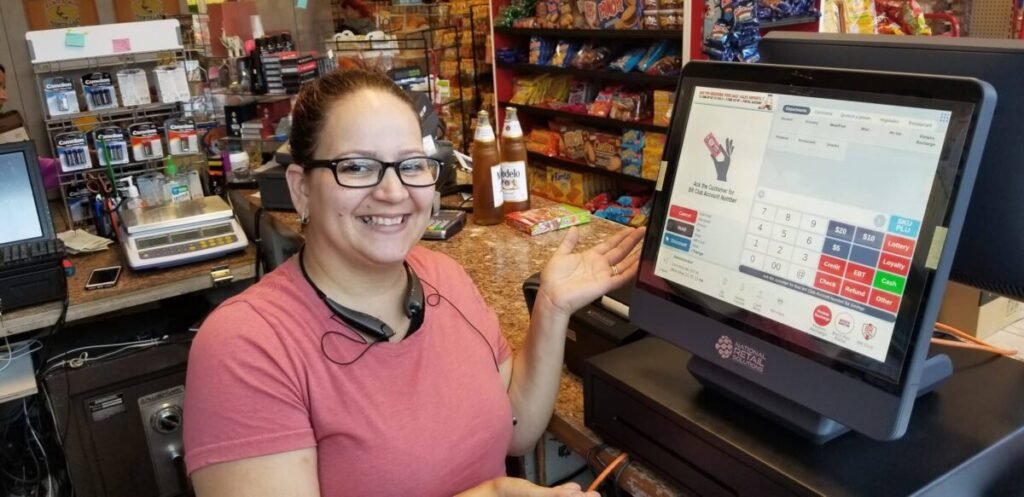
POS systems simplify many daily tasks for retail employees, from processing sales to managing returns and exchanges. With an easy-to-use interface, staff can perform these tasks efficiently without confusion or delays.
When employees spend less time dealing with manual processes, they can focus more on assisting customers. This leads to better interactions, quicker problem-solving, and higher service quality.
Faster Handling of Returns and Exchanges
Returns and exchanges are a common part of retail, and handling them efficiently is crucial for maintaining customer satisfaction. POS systems keep detailed transaction records, making it easy to process returns quickly.
Instead of asking customers for multiple details or searching through paper receipts, staff can retrieve transaction information instantly. This reduces waiting time and ensures a smooth experience.
Integration with Multiple Payment Options
POS systems support a wide range of payment methods, including cash, cards, and digital wallets. This flexibility allows customers to choose their preferred payment option, making transactions more convenient.
Quick and secure payment processing enhances the overall shopping experience and contributes to better service quality.
Data-Driven Decision Making
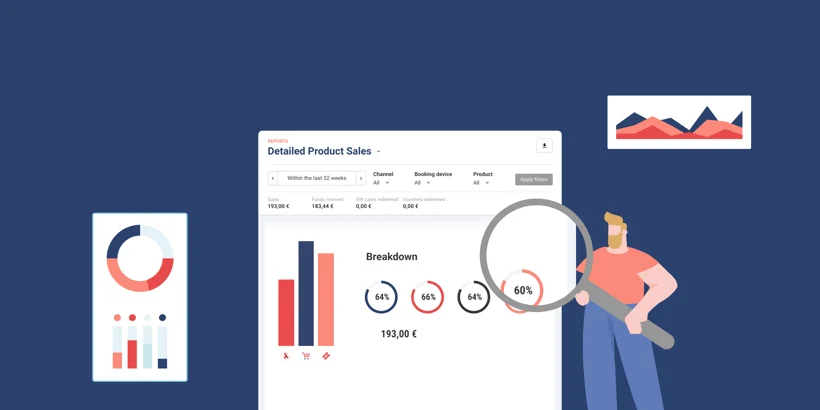
POS systems generate detailed reports on sales, customer behavior, and product performance. Retailers can use this data to make informed decisions that improve service quality.
For example, identifying peak hours helps businesses allocate more staff during busy times, reducing delays. Understanding customer preferences allows retailers to stock popular items and offer better service.
Consistency Across All Interactions
Consistency is a key factor in delivering high-quality service. POS systems ensure that pricing, promotions, and transactions are handled uniformly across all customers.
This consistency builds trust and creates a reliable shopping experience, which is essential for long-term customer satisfaction.
Conclusion
POS systems have transformed the way retail businesses operate by enhancing speed, accuracy, and efficiency. From faster checkouts to personalized service, they play a vital role in improving service quality at every touchpoint.
In today’s retail landscape, providing excellent service is no longer optional—it’s a necessity. By investing in a modern POS system, retailers can deliver a seamless and satisfying experience that keeps customers coming back.