
How POS Systems Improve Workflow and Business Growth
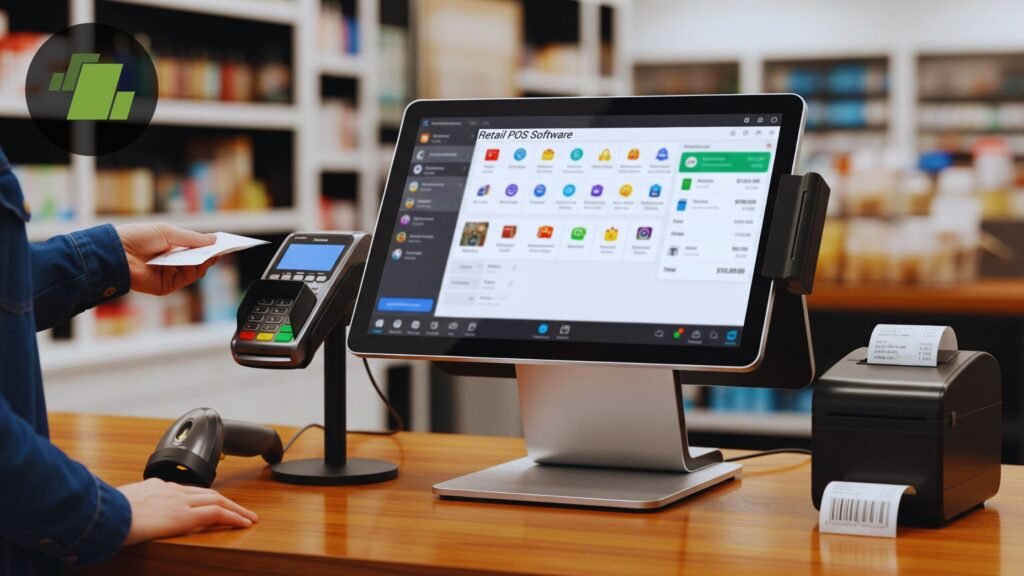
In today’s fast-paced business environment, efficiency and organization are key to success. Whether it’s a retail store, restaurant, or service-based business, managing daily operations smoothly can directly impact growth. This is where a modern Point of Sale (POS) system becomes essential. Beyond handling transactions, POS systems streamline workflows, reduce manual tasks, and create opportunities for long-term business growth.
One of the most significant ways POS systems improve workflow is by automating routine processes. Traditional methods of recording sales, managing inventory, and tracking customer data often involve manual work, which can be time-consuming and prone to errors. A POS system centralizes all these tasks into one platform, allowing businesses to process orders, update inventory, and generate reports instantly. This automation saves time and allows staff to focus on more important tasks, such as customer service and sales.
Another key benefit is improved order management. In businesses like restaurants or retail stores, handling multiple orders at once can be challenging. A POS system ensures that every order is recorded accurately and sent to the right department without delay. For example, in a restaurant, orders can be directly transmitted to the kitchen, reducing confusion and speeding up preparation time. This streamlined communication improves overall efficiency and ensures that customers receive their orders quickly and correctly.
Inventory management is another area where POS systems significantly enhance workflow. Keeping track of stock manually can lead to mistakes, overstocking, or running out of popular items. POS systems provide real-time inventory tracking, automatically updating stock levels after each sale. This helps businesses maintain the right balance of products, avoid unnecessary losses, and ensure smooth operations. Efficient inventory management also supports business growth by preventing missed sales opportunities.
POS systems also simplify employee management, which plays a crucial role in maintaining an efficient workflow. Many POS solutions include features such as staff scheduling, time tracking, and performance monitoring. Managers can easily assign shifts, monitor productivity, and identify areas where improvements are needed. This level of control helps reduce labor inefficiencies and ensures that the right number of employees are working at the right time.
Another important advantage is data-driven decision-making. POS systems generate detailed reports on sales trends, customer preferences, and product performance. This information provides valuable insights that help business owners make informed decisions. For instance, identifying peak sales hours can help optimize staffing, while understanding customer buying patterns can guide marketing strategies. With better insights, businesses can improve operations and drive growth more effectively.
Customer experience is also greatly enhanced by POS systems, which contributes to business growth. Faster checkout processes, accurate billing, and multiple payment options create a smooth and convenient experience for customers. Happy customers are more likely to return and recommend the business to others. Some POS systems also include loyalty programs and customer relationship management (CRM) features, allowing businesses to build stronger relationships and encourage repeat purchases.
In addition to improving daily operations, POS systems support scalability. As a business grows, managing multiple locations, larger inventories, and higher customer volumes can become complex. A POS system provides a centralized platform to manage all aspects of the business, making expansion easier and more efficient. This flexibility allows businesses to grow without losing control over their operations.
Moreover, POS systems reduce operational errors, which can disrupt workflow and affect profitability. Automated calculations, accurate order processing, and real-time updates minimize the chances of mistakes. This reliability ensures smoother operations and builds trust among both employees and customers.
In conclusion, POS systems play a vital role in improving workflow and driving business growth. By automating tasks, enhancing order and inventory management, simplifying employee operations, and providing valuable insights, they help businesses operate more efficiently. At the same time, they improve customer experience and support scalability, making them a powerful tool for long-term success. Investing in a modern POS system is not just about convenience—it’s a strategic decision that can transform how a business operates and grows.