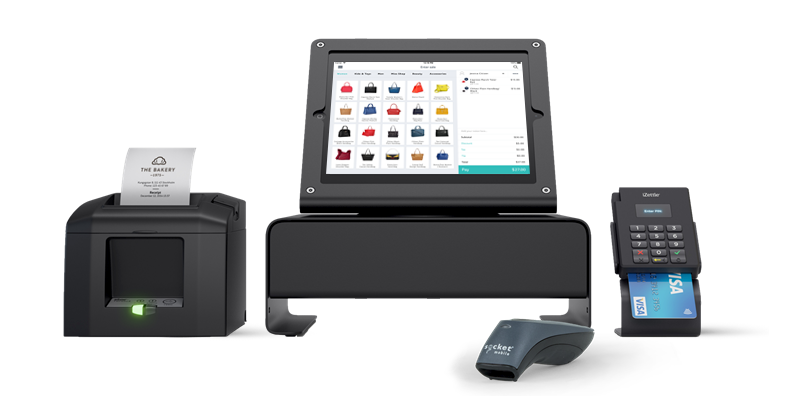
How POS Systems Protect Customer Payment Data: Security Features Every Business Needs

Introduction
As digital payments continue to grow, protecting customer payment information has become a top priority for businesses. Whether customers pay using credit cards, debit cards, mobile wallets, or contactless payment methods, they expect their personal and financial data to remain secure.
A data breach can result in financial losses, legal complications, and damage to a business’s reputation. This is why modern Point of Sale (POS) systems are designed with advanced security features that help safeguard customer payment information throughout every transaction.
In this blog, we’ll explore how POS systems protect customer payment data and why payment security is essential for business success.
Why Payment Data Security Matters
Every payment transaction involves sensitive customer information such as:
- Credit card numbers
- Debit card details
- Cardholder names
- Payment authorization data
- Transaction records
If this information falls into the wrong hands, it can lead to fraud, identity theft, and financial losses.
Risks of Poor Payment Security
- Data breaches
- Unauthorized transactions
- Customer trust issues
- Financial penalties
- Regulatory compliance violations
Modern POS systems help businesses minimize these risks through multiple layers of protection.
1. Encryption Protects Payment Information
Encryption is one of the most important security measures used by POS systems.
How Encryption Works
When a customer makes a payment, the POS system converts sensitive payment information into encrypted code before transmitting it.
This means:
- Data cannot be easily read by unauthorized users.
- Information remains protected during transmission.
- Criminals cannot access usable payment details even if data is intercepted.
Benefits
- Stronger transaction security
- Reduced risk of data theft
- Enhanced customer confidence
2. Tokenization Replaces Sensitive Card Data
Many modern POS systems use tokenization to protect payment information.
What Is Tokenization?
Tokenization replaces a customer’s card number with a unique, randomly generated token.
For example:
Instead of storing:
4532 5678 9012 3456The system stores:
A7X9P4K2L8The token has no value outside the payment system, making it useless to cybercriminals.
Benefits
- Reduced exposure of card data
- Enhanced transaction security
- Safer customer information storage
3. Secure Payment Processing
Modern POS systems integrate with secure payment gateways that process transactions safely.
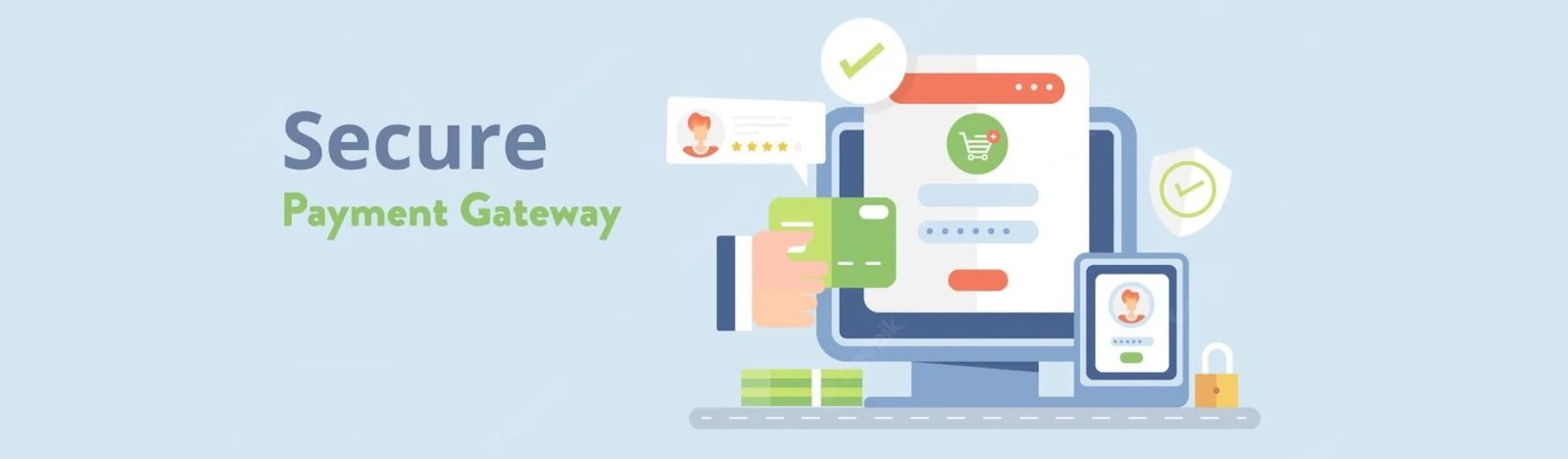
Security Features Include:
- Secure payment authorization
- Fraud detection systems
- Real-time transaction monitoring
- Encrypted communication channels
These protections ensure that payment information remains secure from the moment a customer taps, inserts, or swipes their card.
4. User Access Controls
Not every employee needs access to sensitive payment information.
POS systems allow businesses to create role-based permissions.
Examples
- Cashiers can process sales
- Managers can approve refunds
- Administrators can access reports
By limiting access, businesses reduce the risk of internal misuse or unauthorized activities.
5. Secure Login Authentication
Modern POS systems require employees to authenticate before accessing the system.
Common Authentication Methods
- Passwords
- PIN codes
- Employee ID cards
- Biometric authentication
These controls help prevent unauthorized users from accessing sensitive business and payment information.
6. Automated Transaction Logging
Every transaction performed through a POS system is automatically recorded.
Benefits
- Complete audit trails
- Easier fraud detection
- Accurate transaction history
- Faster dispute resolution
Businesses can quickly investigate suspicious activities and verify transaction details when needed.
7. Cloud Backup and Data Recovery
Cloud-based POS systems automatically back up important transaction data.
Advantages
- Protection against hardware failure
- Secure remote data storage
- Disaster recovery support
- Continuous business operations
Even if equipment is damaged or stolen, critical payment records remain protected.
8. Fraud Prevention Tools
Many modern POS systems include built-in fraud prevention features.
Common Features
- Refund approval controls
- Suspicious transaction alerts
- User activity monitoring
- Transaction pattern analysis
These tools help businesses identify unusual behavior before it becomes a serious problem.
9. Compliance with Security Standards
Many POS providers follow strict payment security standards designed to protect customer information.
Common Compliance Requirements
- Secure payment processing guidelines
- Data protection regulations
- Industry-standard security practices
Compliance helps businesses maintain secure payment environments and reduce liability risks.
10. Contactless Payment Security
Contactless payments have become increasingly popular due to their speed and convenience.
Modern POS systems securely support:
- Tap-to-pay cards
- Mobile wallets
- Smartwatch payments
- QR code transactions
These methods often include additional layers of security such as tokenization and biometric verification.
How Secure POS Systems Build Customer Trust
Customers are more likely to return to businesses they trust.
A secure POS system helps businesses:
- Protect customer information
- Prevent fraud
- Reduce payment-related concerns
- Build long-term customer loyalty
Trust plays a significant role in customer retention and brand reputation.
Best Practices for Businesses
Even with a secure POS system, businesses should follow security best practices.
Keep Software Updated
Install updates regularly to address potential security vulnerabilities.
Train Employees
Educate staff about secure payment handling and fraud awareness.
Use Strong Passwords
Require strong login credentials and change them periodically.
Limit User Permissions
Only provide employees access to information necessary for their roles.
Monitor Transaction Activity
Review reports regularly for unusual transactions or suspicious behavior.
Final Thoughts
Protecting customer payment data is essential in today’s digital business environment. Modern POS systems use advanced technologies such as encryption, tokenization, secure payment processing, user authentication, and fraud prevention tools to safeguard sensitive information.
By investing in a secure POS solution and following best security practices, businesses can protect their customers, maintain compliance, reduce fraud risks, and build lasting trust.
As digital payments continue to evolve, businesses that prioritize payment security will be better positioned for long-term success.
Frequently Asked Questions (FAQ)
1. How do POS systems protect customer payment information?
POS systems use encryption, tokenization, secure payment gateways, user authentication, and fraud detection tools to protect payment data.
2. What is payment data encryption?
Encryption converts payment information into unreadable code during transmission, preventing unauthorized access.
3. What is tokenization in POS systems?
Tokenization replaces sensitive card details with a unique token that cannot be used outside the payment system.
4. Are cloud-based POS systems secure?
Yes. Most cloud POS systems use encrypted connections, automatic backups, and advanced security protocols to protect data.
5. Can POS systems prevent fraud?
Modern POS systems include fraud prevention features such as transaction monitoring, audit trails, and access controls.
6. Why are user permissions important in POS security?
Role-based permissions limit employee access to sensitive information and reduce internal security risks.
7. Do contactless payments offer security benefits?
Yes. Contactless payments often use encryption, tokenization, and biometric verification for added protection.
8. Why is customer payment security important?
Strong payment security protects customers from fraud, helps businesses maintain trust, and reduces financial and legal risks.