How POS Systems Reduce Losses and Improve Profit Margins

In today’s competitive business environment, every dollar counts. Whether you run a retail store, restaurant, or service-based business, controlling losses and increasing profit margins is essential to long-term success. One of the most effective tools helping businesses achieve this balance is the Point of Sale (POS) system. Far more than just a cash register, modern POS systems integrate sales, inventory, customer management, and analytics to create a powerful engine for profitability.
1. Real-Time Inventory Management Prevents Overstocking and Stockouts
One of the main ways businesses lose money is through poor inventory control—either having too much stock that ties up capital or running out of best-selling products that lead to missed sales. A POS system provides real-time inventory tracking, automatically updating quantities with each sale or return.
With detailed insights into stock levels and sales trends, you can easily identify slow-moving items, prevent over-ordering, and ensure that high-demand products are always available. This balance minimizes waste, especially in industries like food and beverage, where perishable goods can cause significant losses.
2. Reduced Theft and Fraud
Employee theft and fraud are unfortunate realities in many businesses. Traditional cash registers offer limited visibility into sales data, making it easier for discrepancies to go unnoticed. A modern POS system logs every transaction, discount, and refund under a specific employee ID, creating an audit trail that deters theft and makes it easier to spot suspicious activity.
Additionally, POS systems can include security features such as role-based permissions, requiring manager authorization for returns, voids, or discounts. This transparency not only reduces internal shrinkage but also builds a culture of accountability among staff.
3. Streamlined Operations and Reduced Labor Costs
Efficiency is a key component of profitability. A POS system automates time-consuming manual tasks such as entering sales data, reconciling cash drawers, or generating end-of-day reports. This allows staff to focus more on customer service rather than administrative work.
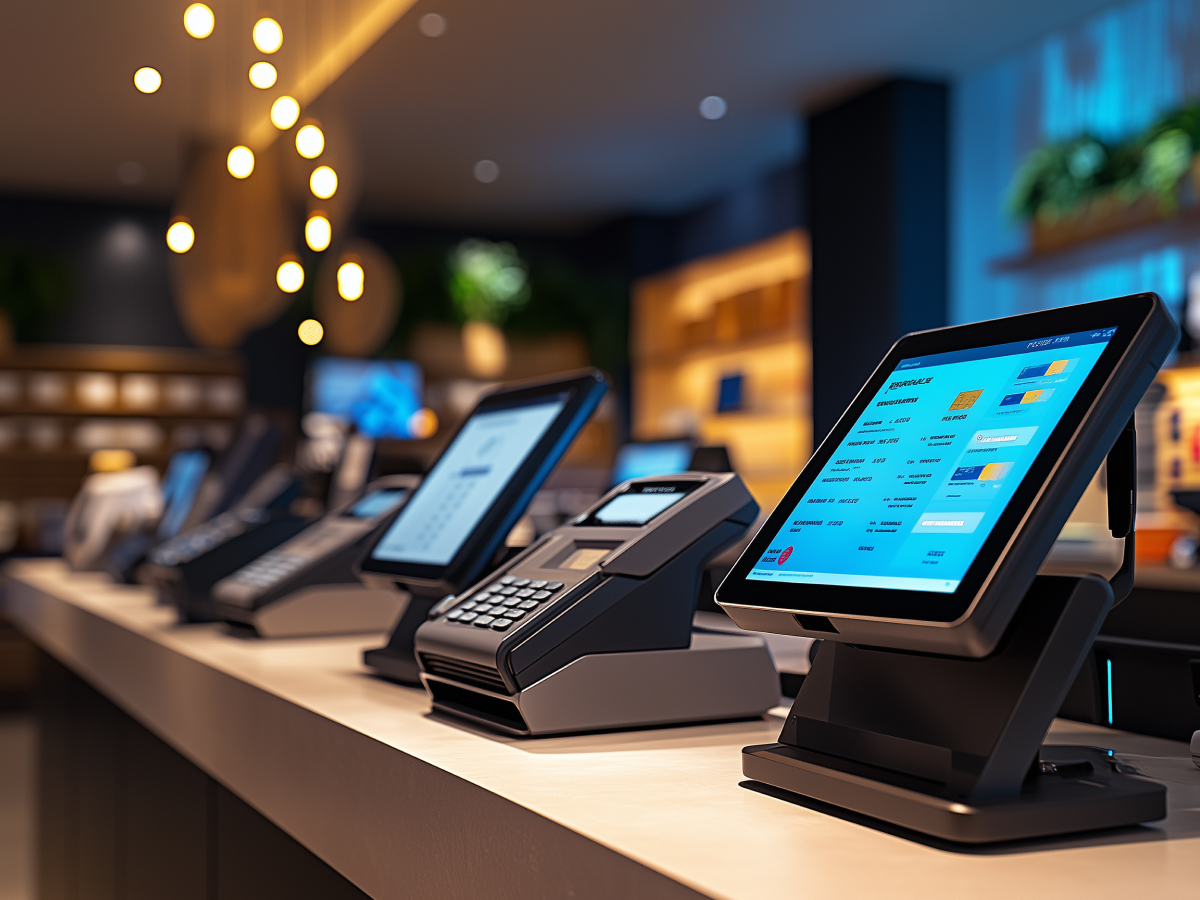
For example, integrated barcode scanners and touchscreen interfaces speed up checkout processes, reducing customer wait times and improving satisfaction. The end result? Higher productivity and lower labor costs—two vital contributors to improved profit margins.
4. Accurate Reporting for Better Business Decisions
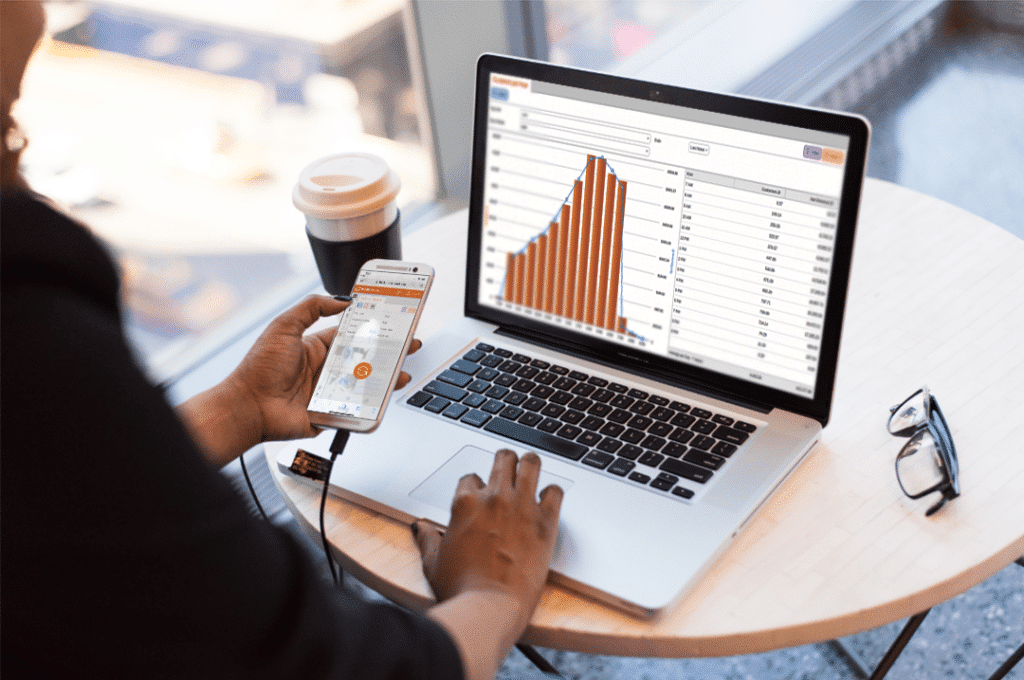
Without reliable data, it’s easy to make poor financial or operational decisions. POS systems generate detailed, real-time reports on sales, margins, and customer behavior. These insights empower business owners to understand which products are most profitable, which promotions drive sales, and what times of day or week yield the highest revenue.
With data-backed decision-making, you can optimize pricing, staffing, and marketing strategies. For example, identifying your slowest-selling items may inspire bundle deals or targeted discounts, helping turn inventory into profit.
5. Improved Customer Experience and Retention
Profitability isn’t just about reducing losses—it’s also about increasing revenue through repeat business. A POS system helps deliver a seamless shopping experience by speeding up checkouts, offering multiple payment options, and integrating with loyalty programs.
By collecting customer purchase history, you can tailor marketing campaigns and reward loyal customers with personalized discounts or special offers. Happier customers mean more frequent visits, higher transaction values, and a stronger brand reputation.
6. Integration with Accounting and Business Tools
A major advantage of modern POS systems is their ability to integrate with accounting, payroll, and eCommerce platforms. This eliminates the need for manual data entry, reducing errors and saving hours of administrative work each month. With accurate, synchronized data, your financial records remain clean and up-to-date, providing a clearer picture of profitability at any given time.
Conclusion
Loss prevention and profit optimization are challenges that every business faces, regardless of size or industry. A well-implemented POS system offers a comprehensive solution—combining automation, data insights, and security to minimize losses and maximize revenue. By investing in modern POS technology, business owners gain more than just a tool for processing sales; they gain a strategic asset that drives smarter decisions, greater efficiency, and sustainable growth.