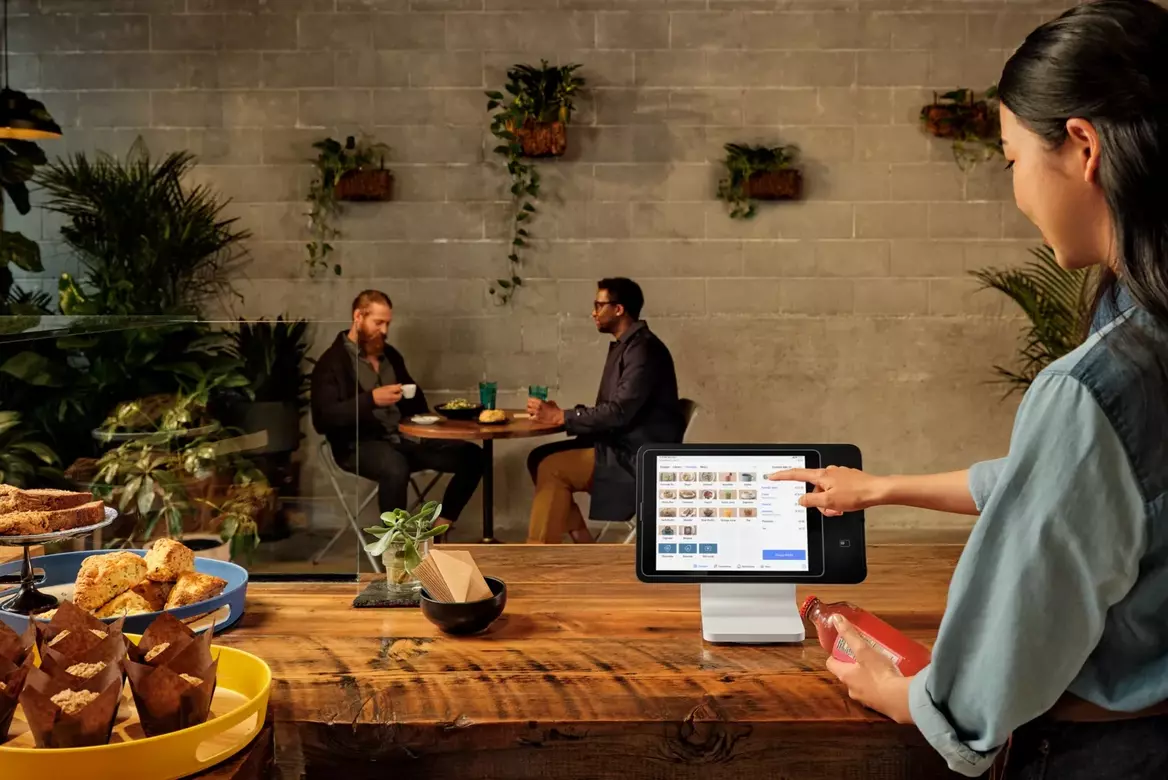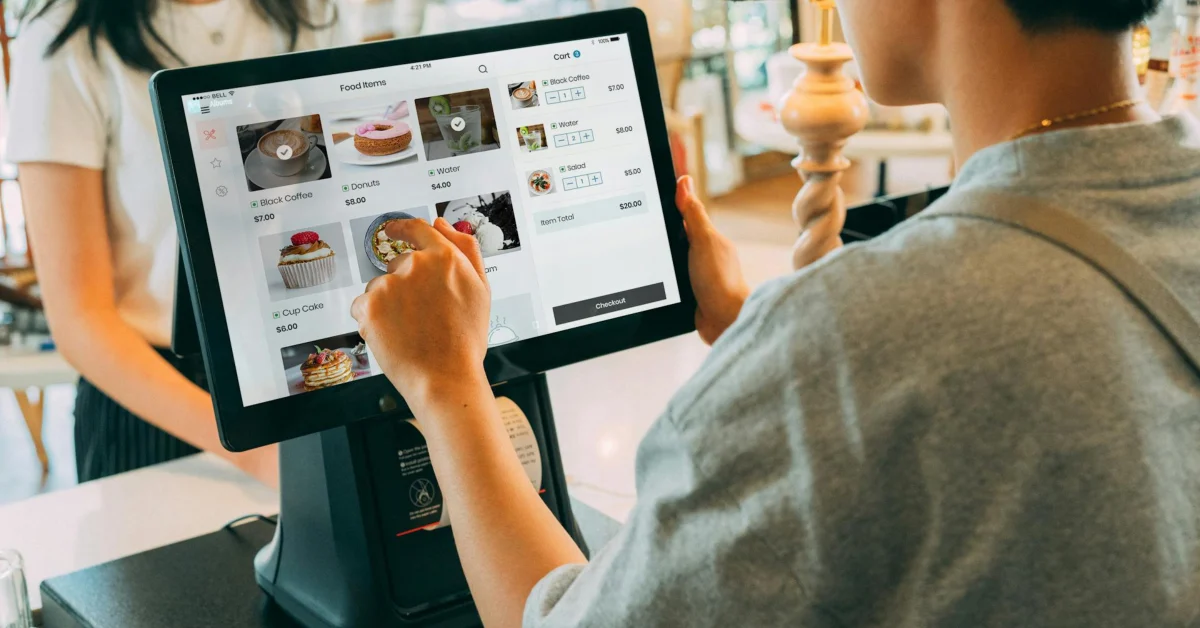
How POS Systems Streamline Daily Operations and Reduce Business Complexity

Running a business involves managing countless moving parts—sales, inventory, staff, customers, and finances. When these processes are handled manually or through disconnected systems, errors increase and efficiency drops. A modern Point of Sale (POS) system simplifies this complexity by bringing all core operations into one integrated platform. Beyond processing payments, POS systems play a vital role in streamlining daily workflows and improving overall business performance.
Centralized Operations for Better Control
One of the most significant advantages of a POS system is centralization. Instead of managing sales records, inventory logs, and customer data separately, a POS system unifies all information in one place. This centralized approach reduces confusion, saves time, and ensures consistency across departments. Business owners gain a clear overview of operations without needing multiple tools or spreadsheets.
Automation That Saves Time and Effort
POS systems automate repetitive tasks that traditionally consume valuable staff time. Sales entries are recorded automatically, inventory updates happen in real time, and reports are generated instantly. This automation minimizes human error and allows employees to focus on customer service rather than administrative work. As a result, productivity increases and daily operations become smoother.
Smarter Inventory Control
Inventory mismanagement can lead to lost sales or unnecessary expenses. POS systems automatically track stock movement with every transaction, providing accurate, real-time inventory data. Business owners can quickly identify which products are selling well and which are underperforming. Automated low-stock alerts help prevent shortages, while sales trends guide smarter purchasing decisions.
Faster Decision-Making Through Real-Time Data
Access to real-time data is a major advantage of modern POS systems. Sales performance, revenue trends, and inventory levels are available instantly. This enables business owners to make informed decisions quickly, such as adjusting pricing, launching promotions, or reallocating stock. Timely insights reduce guesswork and support more strategic planning.
Improved Staff Efficiency and Accountability
POS systems help manage staff performance by tracking individual sales, work hours, and transaction history. Role-based access ensures employees only access the functions relevant to their responsibilities. This improves accountability, reduces internal errors, and enhances operational transparency. Managers can also identify training needs and reward high-performing team members based on accurate data.
Enhanced Customer Service Experience
Efficient operations directly impact customer satisfaction. Faster billing, accurate orders, and multiple payment options create a seamless checkout experience. Many POS systems also store customer preferences and purchase history, enabling personalized service and targeted offers. When customers receive quick and tailored service, they are more likely to return.
Scalability for Growing Businesses
As businesses grow, operational complexity increases. A POS system supports scalability by adapting to new products, higher transaction volumes, and multiple locations. Whether expanding to new branches or adding online sales channels, POS systems integrate easily without disrupting daily operations. This flexibility makes them ideal for long-term business growth.
Financial Accuracy and Simplified Reporting
POS systems generate detailed financial reports covering sales, taxes, discounts, and refunds. These reports help businesses maintain accurate financial records and simplify accounting processes. Digital reporting also supports easier tax preparation and compliance, reducing stress during audits or financial reviews.
Conclusion
A POS system is a powerful operational tool that goes far beyond billing. By automating tasks, centralizing data, and improving accuracy, POS systems reduce complexity and bring structure to daily business activities. Businesses that invest in modern POS solutions benefit from smoother operations, better decision-making, and improved customer experiences. In an increasingly competitive market, a POS system is not just a convenience—it is a necessity for operational excellence and sustainable growth.