The Importance of Data Analytics in Retail
Retail businesses generate large amounts of data every day through sales, inventory management, customer interactions, and payment transactions. Data analytics helps retailers transform raw business data into meaningful insights, allowing them to make smarter decisions, improve efficiency, and increase profitability. Whether you operate a convenience store, supermarket, specialty retail shop, or multi-location business, leveraging data analytics can give you a significant competitive advantage.
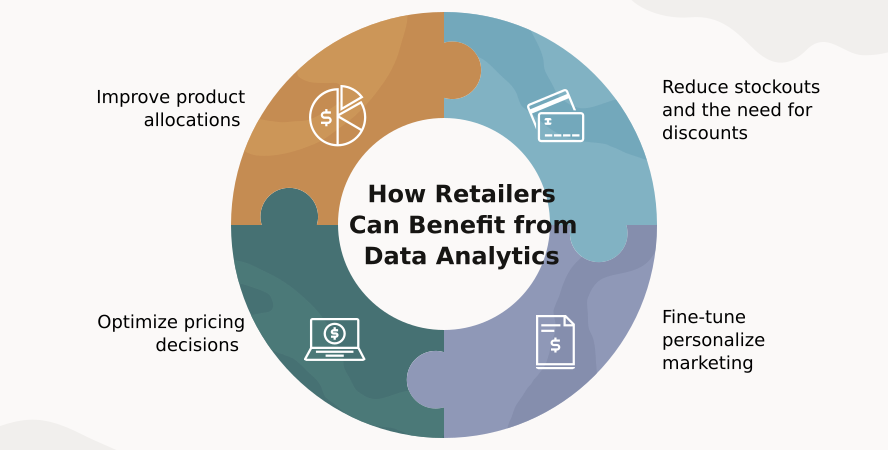
What Is Data Analytics in Retail?
Data analytics in retail involves collecting, analyzing, and interpreting data generated from various business activities. This data often comes from Point of Sale (POS) systems, inventory management software, customer loyalty programs, online stores, and payment systems.
Retailers can use this information to understand purchasing patterns, identify best-selling products, monitor stock levels, and evaluate overall business performance.
Better Understanding of Customer Behavior
One of the biggest advantages of retail data analytics is gaining deeper insights into customer behavior.
By analyzing transaction data, retailers can identify:
- Most popular products
- Peak shopping hours
- Customer purchasing habits
- Seasonal buying trends
- Average transaction values
These insights help businesses create targeted promotions, improve product selection, and deliver a better shopping experience.
Improved Inventory Management
Inventory management is one of the most challenging aspects of retail. Overstocking ties up cash flow, while understocking can lead to lost sales and dissatisfied customers.
Data analytics helps retailers:
- Track inventory in real time
- Identify fast-moving and slow-moving products
- Predict future demand
- Reduce stock shortages
- Minimize excess inventory
With accurate inventory insights, businesses can optimize stock levels and reduce unnecessary costs.
Increased Sales and Profitability
Data-driven retailers are better equipped to identify sales opportunities.
Analytics can reveal:
- High-performing products
- Profitable product categories
- Successful promotions
- Upselling and cross-selling opportunities
By understanding which products generate the most revenue, retailers can focus their efforts on maximizing sales and improving profit margins.
Enhanced Decision-Making
Successful retailers rely on data rather than assumptions.
Analytics dashboards and reports provide valuable information that supports informed business decisions, including:
- Pricing strategies
- Product assortment planning
- Marketing campaigns
- Staff scheduling
- Store expansion opportunities
Access to real-time data enables retailers to respond quickly to market changes and customer demands.
More Effective Marketing Campaigns
Marketing efforts become much more effective when supported by data.
Retailers can use analytics to:
- Segment customers based on buying behavior
- Personalize promotions
- Measure campaign performance
- Identify customer preferences
- Improve customer retention
Targeted marketing campaigns often result in higher engagement and better returns on investment.
Better Staff Performance Management
Retail analytics can also help businesses evaluate employee performance.
Retailers can monitor:
- Sales performance by employee
- Transaction efficiency
- Customer service metrics
- Productivity trends
This information helps managers identify training opportunities and reward high-performing staff members.
How Data Analytics Improves Retail Performance
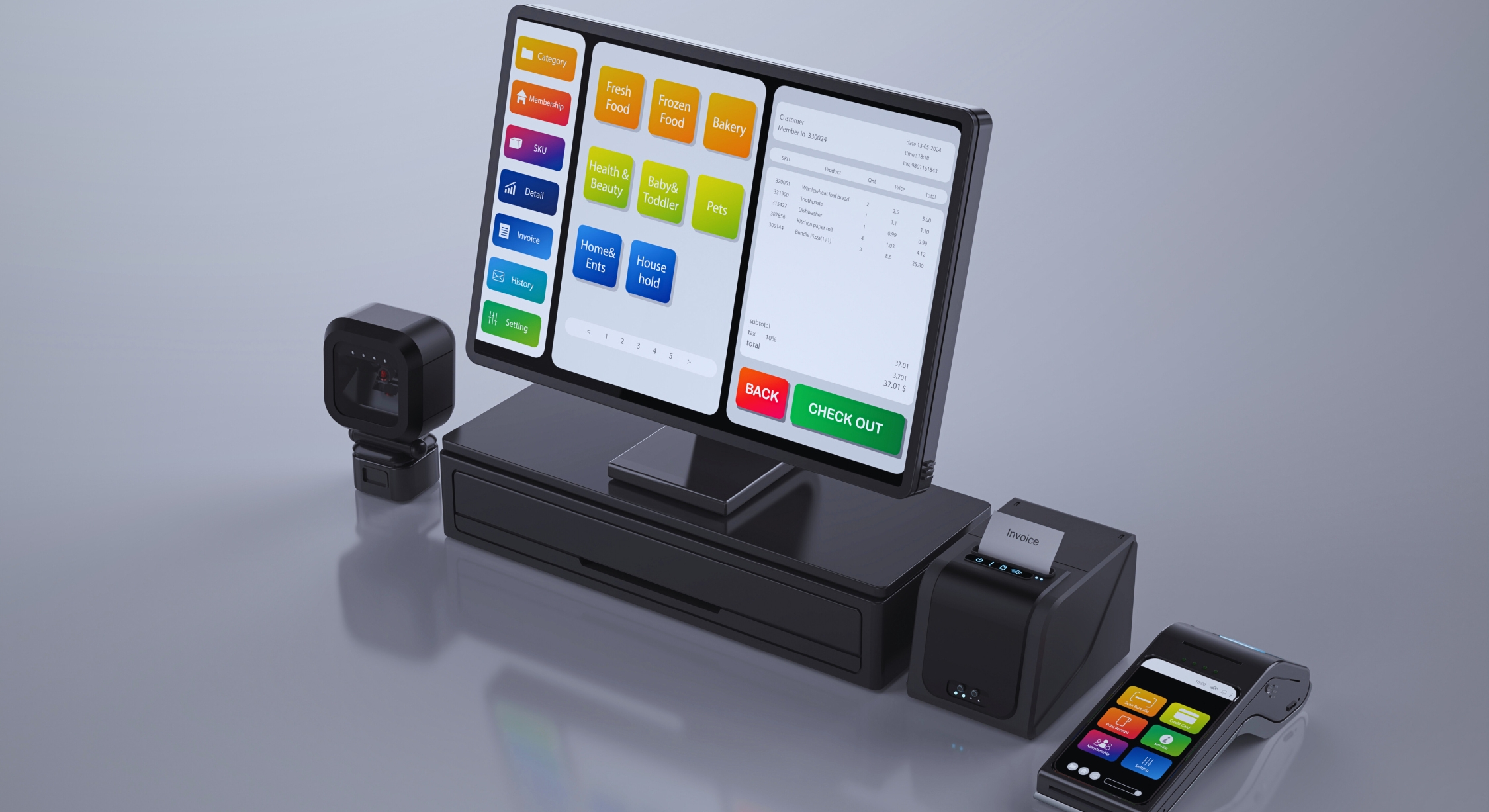
Modern POS systems serve as powerful data collection tools. Every transaction processed through the POS generates valuable information that can be analyzed to improve business operations.
A modern POS system can provide:
- Real-time sales reports
- Inventory tracking
- Customer insights
- Product performance analysis
- Financial reporting
By integrating POS data with other business systems, retailers gain a comprehensive view of their operations.
Staying Competitive in a Data-Driven Retail Landscape
The retail industry continues to evolve rapidly, with changing customer expectations and increasing competition. Businesses that leverage data analytics can adapt more quickly, identify new opportunities, and make smarter decisions.
Retailers that ignore data risk falling behind competitors who use analytics to optimize operations and enhance customer experiences.
Conclusion
Data analytics has become an essential tool for modern retailers. From understanding customer behavior and improving inventory management to increasing profitability and enhancing decision-making, analytics provides valuable insights that drive business success.
By leveraging data from POS systems and other retail technologies, businesses can make informed decisions, improve efficiency, and stay competitive in an increasingly data-driven marketplace. Investing in data analytics today can help retailers build a stronger and more profitable future.