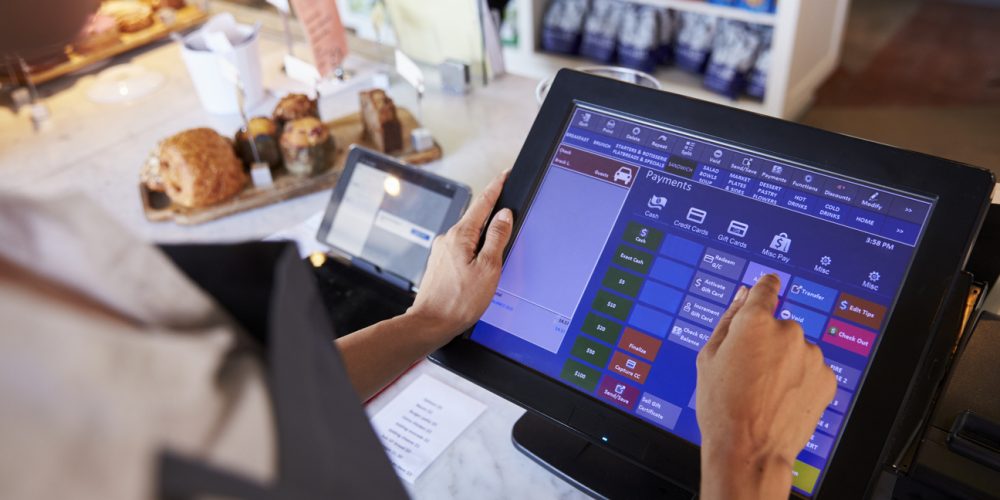
Improving Operational Transparency with POS Reporting
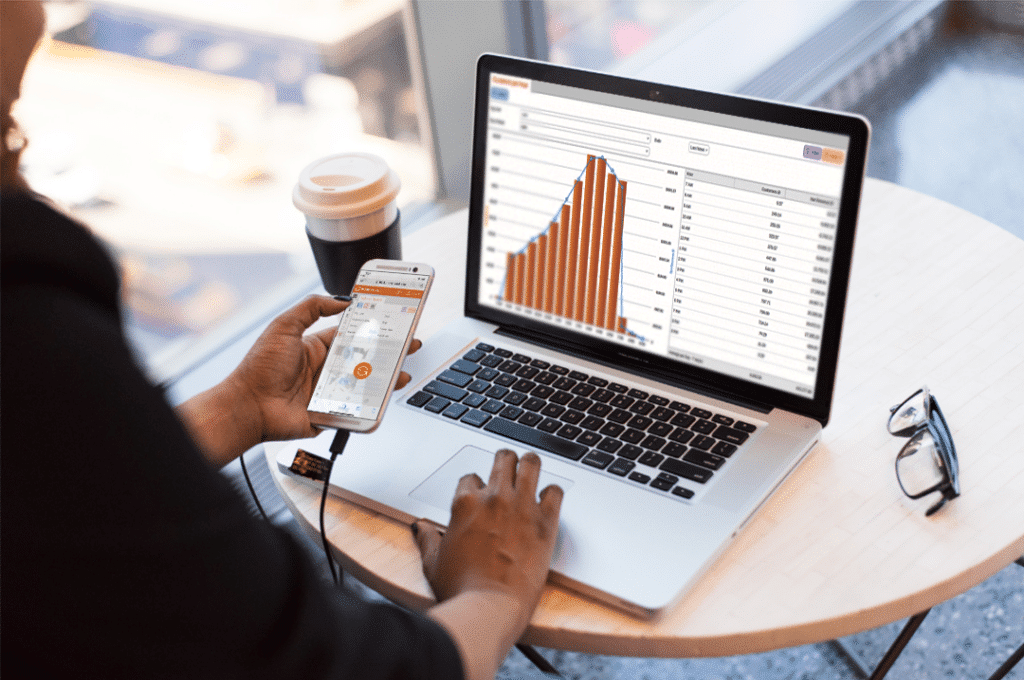
Operational transparency is essential for businesses that want to stay efficient, accountable, and competitive. When managers and owners clearly understand what is happening across daily operations, they can make better decisions and respond quickly to challenges. One of the most effective tools for achieving this clarity is a modern Point of Sale (POS) system with robust reporting capabilities. POS reporting brings visibility to transactions, performance, and processes, helping businesses operate with confidence and control.
At its core, operational transparency means having accurate, accessible information about how a business runs. This includes sales activity, inventory movement, staff performance, and financial health. Without reliable data, businesses often rely on assumptions or delayed manual reports, which can lead to errors and missed opportunities. POS reporting eliminates this problem by automatically capturing and organizing data as transactions occur, creating a clear and real-time picture of operations.
One major way POS reporting improves transparency is through real-time sales visibility. Every sale processed through the POS system is recorded instantly, allowing managers to monitor performance throughout the day. This helps identify peak hours, slow periods, and best-selling products without waiting for end-of-day summaries. With this level of insight, businesses can adjust staffing, promotions, or inventory placement to match actual demand, rather than relying on guesswork.
Inventory transparency is another key advantage of POS reporting. Manual stock tracking often leads to discrepancies, overstocking, or unexpected shortages. POS systems automatically update inventory levels with each sale, providing accurate reports on stock movement. Managers can clearly see which items are selling fast, which are underperforming, and when reordering is necessary. This visibility reduces waste, prevents stockouts, and ensures inventory decisions are based on real data.
POS reporting also enhances transparency in staff performance. Many systems track employee activity, such as sales processed, refunds handled, and shift performance. These reports help managers fairly evaluate productivity and identify training needs. When performance metrics are clear and consistent, employees understand expectations better, which promotes accountability and improves overall morale.
Financial transparency is another critical benefit. POS systems generate detailed reports on revenue, taxes, discounts, and payment methods. These reports make it easier to reconcile cash drawers, verify digital payments, and prepare financial statements. By having clear and accurate financial data, businesses reduce the risk of discrepancies and gain greater control over cash flow. This level of transparency is especially valuable during audits, budgeting, and long-term planning.
Operational transparency also improves communication across teams. POS reports provide a shared source of truth that managers, accountants, and supervisors can rely on. Instead of conflicting numbers from different departments, everyone works with the same data. This alignment reduces misunderstandings and ensures decisions are made based on consistent information.
Another important aspect is trend identification. POS reporting doesn’t just show what happened today; it reveals patterns over time. Businesses can analyze weekly, monthly, or seasonal reports to understand long-term trends. This helps leadership anticipate changes, plan promotions, and allocate resources more effectively. Transparent access to historical data supports smarter strategy development and reduces reactive decision-making.
Finally, POS reporting supports compliance and risk reduction. Accurate transaction records help businesses meet regulatory requirements and maintain proper documentation. Transparent reporting makes it easier to detect irregularities, errors, or unusual activity early, allowing issues to be addressed before they become serious problems.
In conclusion, improving operational transparency is a key step toward building a more efficient and resilient business. POS reporting plays a vital role by providing real-time insights, accurate data, and clear visibility across all areas of operation. By replacing assumptions with facts and manual processes with automated reporting, POS systems empower businesses to operate with clarity, accountability, and confidence.