Improving Workflow from Order to Payment

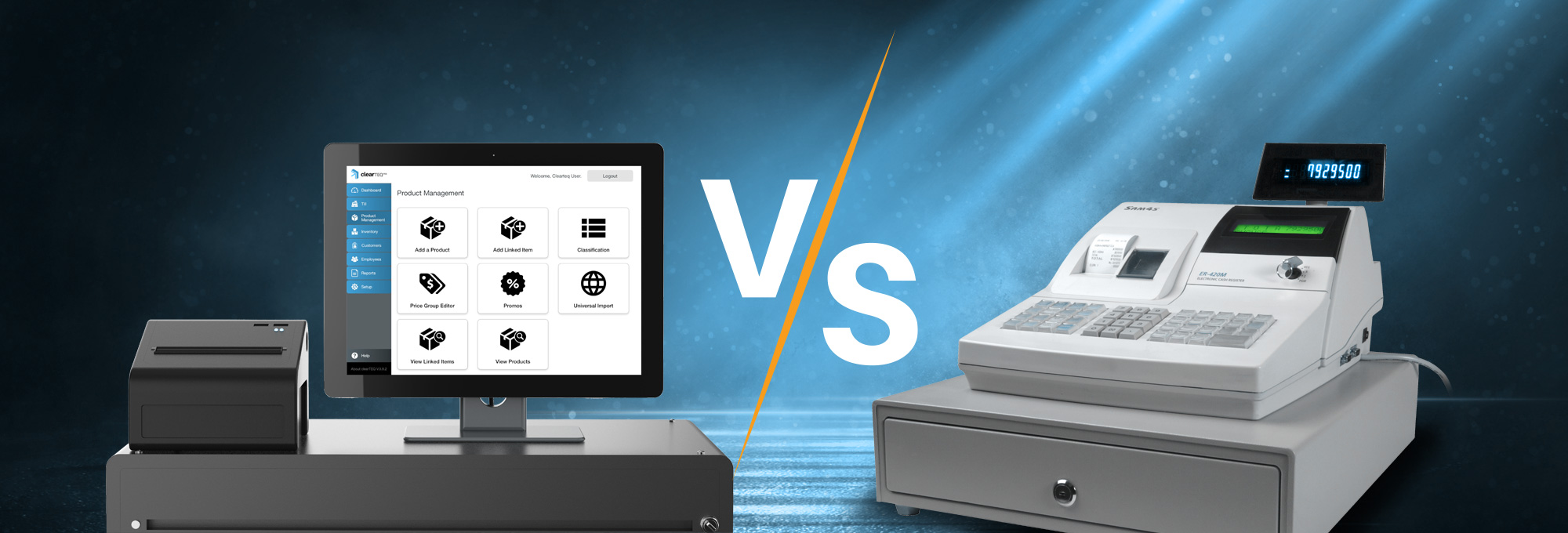
In the fast-paced world of restaurants and cafés, efficiency is everything. Customers expect quick service, accurate orders, and seamless payments, while business owners aim to reduce mistakes, save time, and maintain smooth daily operations. One of the most effective ways to achieve this balance is by improving workflow from the moment an order is placed to the point where payment is completed. Modern Point of Sale (POS) systems play a central role in streamlining this journey, helping businesses operate with clarity and confidence.
Creating a Seamless Ordering Experience
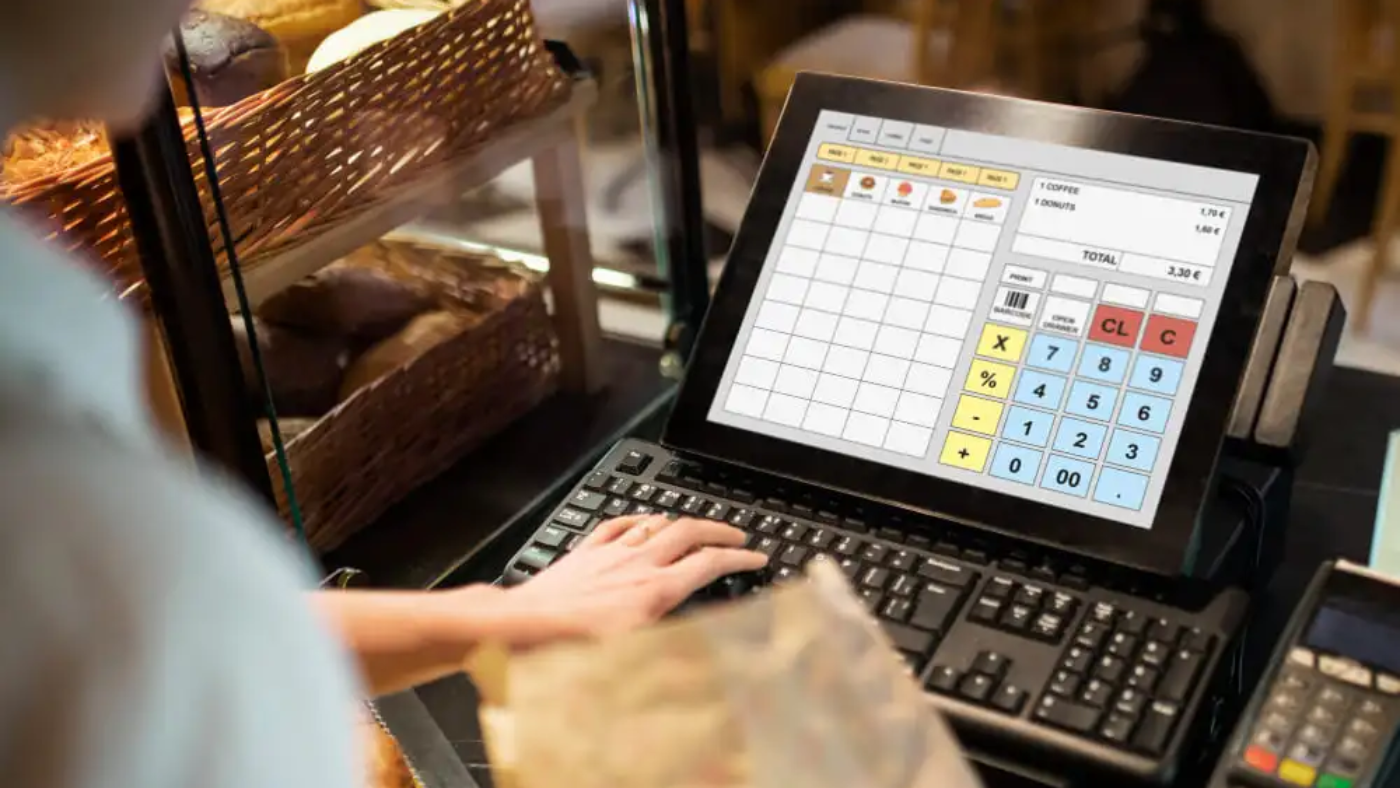
The workflow begins when a customer places an order. Traditionally, manual note-taking or disconnected systems often led to miscommunication between front-of-house and kitchen staff. With digital POS solutions, orders can be entered instantly and sent directly to the kitchen display or printer. This reduces errors, improves speed, and ensures everyone works with the same information.
Additionally, customizable menus within POS systems allow staff to quickly select items, modify ingredients, or apply special requests. This makes order-taking faster and more accurate, particularly during busy periods. For cafés and restaurants, consistency at this stage sets the tone for the entire customer experience.
Enhancing Communication Between Teams
Once an order is placed, coordination between service staff and kitchen teams becomes essential. A well-integrated POS system acts as a bridge, delivering real-time updates that keep everyone aligned. Staff can track order progress, prioritize tasks, and avoid unnecessary back-and-forth communication.
Clear communication reduces delays and ensures meals reach customers on time. It also helps maintain quality standards, as kitchen staff receive accurate details about each dish. By improving collaboration behind the scenes, businesses create a smoother experience that customers notice and appreciate.
Managing Inventory and Preparation
Workflow efficiency also depends on proper inventory management. Modern POS tools automatically track ingredient usage as orders are processed. This insight helps businesses maintain stock levels, avoid shortages, and plan purchases more effectively.
Knowing what is available at any moment prevents service interruptions and reduces waste. For example, if an item runs low, the system can alert staff or temporarily remove it from the menu. This proactive approach keeps operations running smoothly without disappointing customers.
Simplifying Billing and Payment
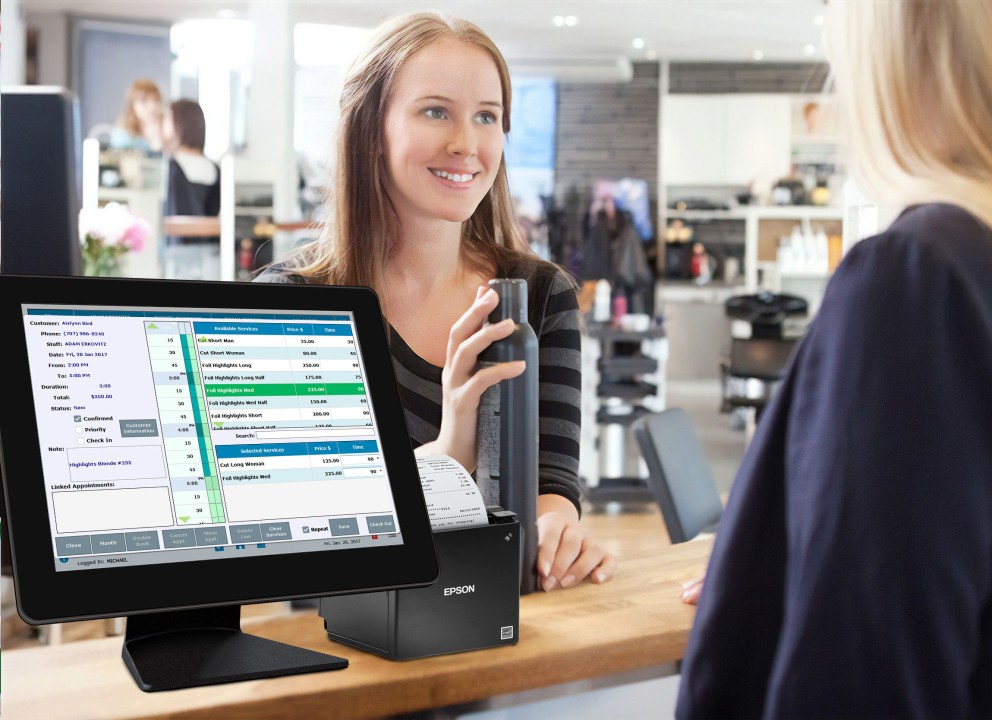
The final stage of the workflow is payment, which should be as seamless as ordering. POS systems simplify billing by automatically calculating totals, applying taxes, and including any discounts or loyalty rewards. This reduces human error and speeds up checkout times.
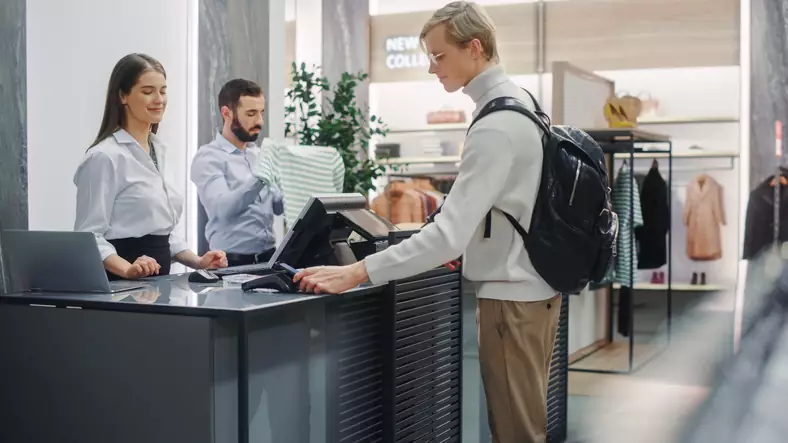
Modern systems also support multiple payment methods, including contactless cards, mobile wallets, and digital platforms. Providing flexible options enhances convenience and helps businesses cater to different customer preferences. Faster transactions mean shorter queues, improved table turnover, and greater satisfaction overall.
Leveraging Data for Continuous Improvement
Beyond daily operations, POS-generated data offers valuable insights into workflow efficiency. Managers can analyze peak hours, popular menu items, and transaction times to identify improvement opportunities. These insights support smarter scheduling, menu adjustments, and targeted promotions.
By reviewing performance regularly, businesses can refine processes and maintain a competitive edge. Continuous improvement ensures that workflow optimization is not a one-time effort but an ongoing strategy.
Conclusion
Improving workflow from order to payment is essential for delivering exceptional service and maintaining operational efficiency in restaurants and cafés. By adopting modern POS systems, businesses can connect each stage of the process, from accurate order entry and team communication to inventory control and seamless payment handling. The result is a streamlined operation that benefits both staff and customers.