POS Features That Improve Employee Accountability
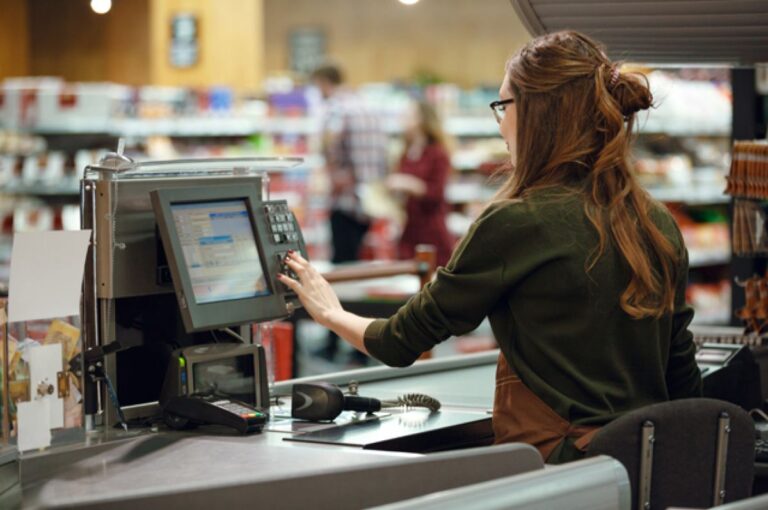
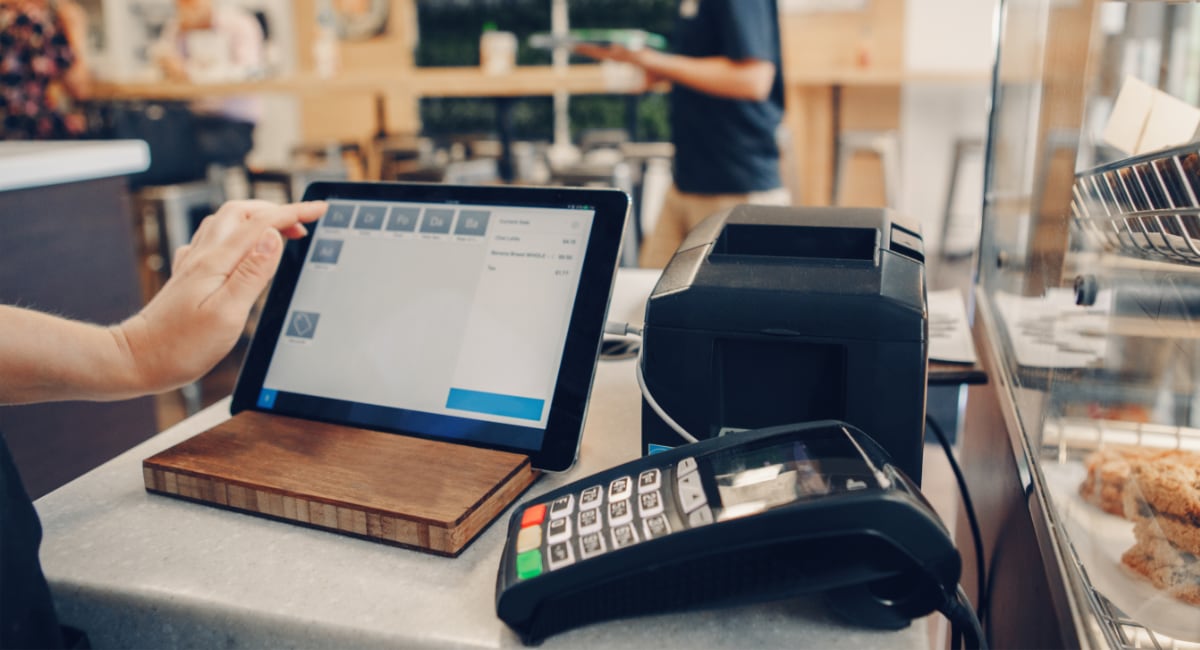
In marts, restaurants, cafés, and retail stores, employee accountability plays a major role in maintaining smooth operations and delivering consistent customer service. When staff members are responsible for cash, orders, inventory, and customer interactions, even small mistakes can create big problems—billing errors, missing stock, slow service, or financial inconsistencies. That’s why modern POS (Point of Sale) systems have become essential tools for creating a more efficient and accountable work environment.
A powerful POS system does far more than handle transactions. It includes built-in features designed to track employee activity, prevent errors, and encourage responsible behavior across all shifts. These features help owners and managers maintain transparency, reduce losses, and create a workplace where every employee knows exactly what they’re responsible for.
One of the most important features is individual employee login access. Instead of allowing everyone to use the same system profile, POS systems provide unique login IDs or PINs for each staff member. Every action—whether processing a sale, issuing a refund, or applying a discount—is recorded under their name. This creates a clear trail of responsibility. If something goes wrong, owners can easily trace it back to the right person. And when employees know their actions are being tracked, they naturally become more careful and honest.
Another effective POS tool is permission-based access control. Not every staff member needs access to every feature. With a good POS system, managers can limit certain actions—like giving discounts, voiding bills, or processing refunds—to authorized personnel only. This drastically reduces the risk of misuse. It also ensures that employees only focus on the tasks relevant to their job roles, improving workflow and preventing confusion.
Cash drawer tracking is another key POS feature that improves accountability. The POS records the exact amount of cash expected at the beginning and end of a shift. Whenever a sale, refund, or cash adjustment happens, it’s logged automatically. If there’s a mismatch, managers can review the activity of the specific staff member handling the drawer. This helps prevent cash handling mistakes and reduces the possibility of theft.
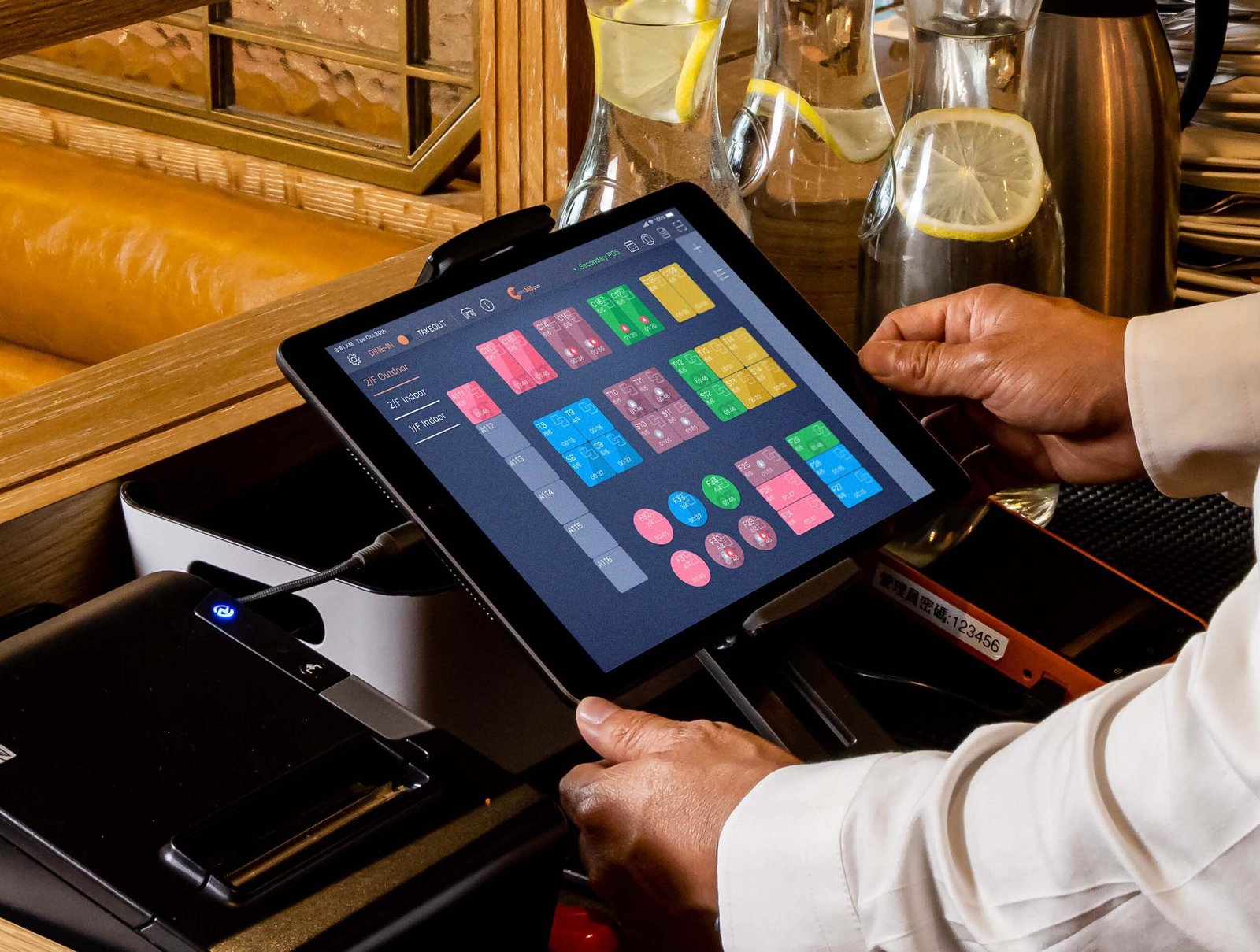
For restaurants and cafés, order tracking is extremely important. A POS system keeps detailed records of orders entered by each employee. If there are errors—wrong dishes entered, missing items, or incorrect quantities—the manager can immediately identify who made the mistake. This transparency encourages staff members to be more accurate when taking orders or handling customers during rush hours.
A modern POS system also helps monitor time and attendance. Employees can clock in and clock out directly through the POS terminal. This eliminates time theft, such as extended breaks or early departures, and ensures fair shift calculations. Accurate attendance data helps owners manage shifts better, reward punctual staff, and address attendance issues clearly and professionally.
Activity logs and audit trails are another powerful tool. These logs track everything happening on the system—price changes, voids, discounts, order edits, stock adjustments, and more. If suspicious activity occurs, the POS provides the evidence needed to investigate. This protects both the business and honest staff members from misunderstandings.
Inventory accuracy is also improved through employee-based stock management. When employees perform stock adjustments, transfers, or receiving tasks, the POS records who completed each action. This reduces errors and prevents unauthorized changes to stock levels. In marts where inventory shrinkage can be a major issue, this feature is incredibly valuable.
Finally, POS systems promote performance tracking. Owners can check how many sales each employee makes, how quickly they process orders, and how effectively they upsell. This helps identify top performers who deserve recognition and those who may need additional training. It creates a performance-driven environment where employees are motivated to improve.
In the modern retail and hospitality world, employee accountability isn’t just about monitoring—it’s about creating a transparent and fair workplace. POS systems make this possible through smart features that reduce errors, prevent losses, and encourage responsible behavior. For business owners, this means smoother operations. For employees, it promotes professionalism and confidence in their work.