How to Choose the Best POS System for Hospitality Businesses in 2026
The hospitality industry is evolving rapidly, and technology is playing a crucial role in improving customer experience, streamlining operations, and increasing profitability. One of the most important tools for modern restaurants, cafés, hotels, and bars is a reliable POS system for hospitality that can handle transactions, manage inventory, and enhance overall efficiency. In 2026, businesses are no longer looking for basic billing software; they require intelligent systems that integrate payments, reporting, customer data, and operational management into one seamless platform.

Choosing the right POS system is not just about processing payments. It directly impacts service speed, staff productivity, customer satisfaction, and revenue growth. A well-designed POS system helps hospitality businesses reduce errors, manage orders efficiently, and make data-driven decisions. With many options available in the market, selecting the best solution can feel overwhelming.
This guide explains how to choose the best POS system for businesses in 2026, covering essential features, benefits, and practical considerations to help business owners make the right investment for long-term success.
Understanding the Importance of a POS System for Hospitality
A POS system for hospitality is more than just a payment processing tool. It serves as the operational backbone of restaurants, cafés, hotels, and catering businesses by managing orders, payments, inventory, and customer interactions in one place.
In today’s competitive environment, hospitality businesses must deliver fast and accurate service. A reliable POS system ensures smooth order processing, reduces waiting times, and improves communication between front-of-house and kitchen staff. This results in better customer experiences and higher satisfaction levels.
Moreover, modern POS systems provide real-time analytics and reporting. Business owners can track sales, monitor staff performance, and identify popular menu items. These insights help improve decision-making and optimise business operations.
Without an efficient POS system, hospitality businesses may struggle with manual errors, slow service, and poor inventory control. Investing in the right technology ensures operational efficiency and sustainable growth.
Key Features to Look for in the Best POS System for Hospitality Businesses
When selecting the best POS system for hospitality businesses, it is important to evaluate essential features that support daily operations and long-term growth.
Cloud-Based Technology
A cloud-based POS system for hospitality allows businesses to access data from anywhere, ensuring flexibility and remote management. Owners can monitor sales, inventory, and performance in real time without being physically present.
Inventory and Order Management
A hospitality POS system with inventory management helps track stock levels, reduce wastage, and automate reordering processes. This is particularly important for restaurants and hotels managing large inventories.
Integrated Payment Solutions
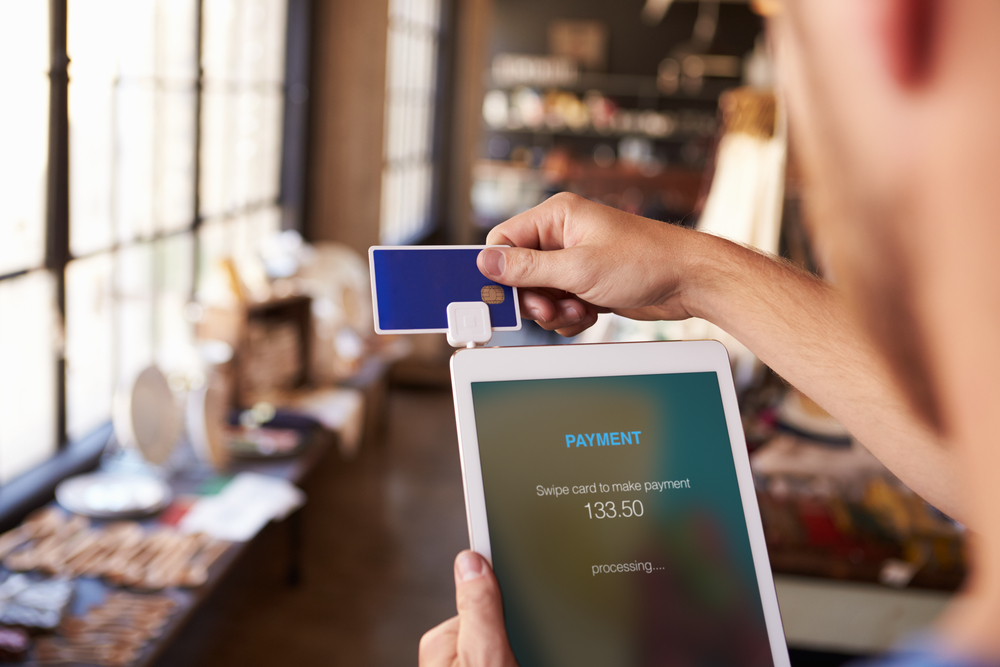
Modern POS systems should support multiple payment methods, including cards, mobile payments, and digital wallets. Seamless payment integration improves customer convenience and speeds up transactions.
Reporting and Analytics
Detailed reports and analytics help businesses understand sales trends, peak hours, and customer preferences. These insights enable smarter business decisions and improved profitability.
User-Friendly Interface
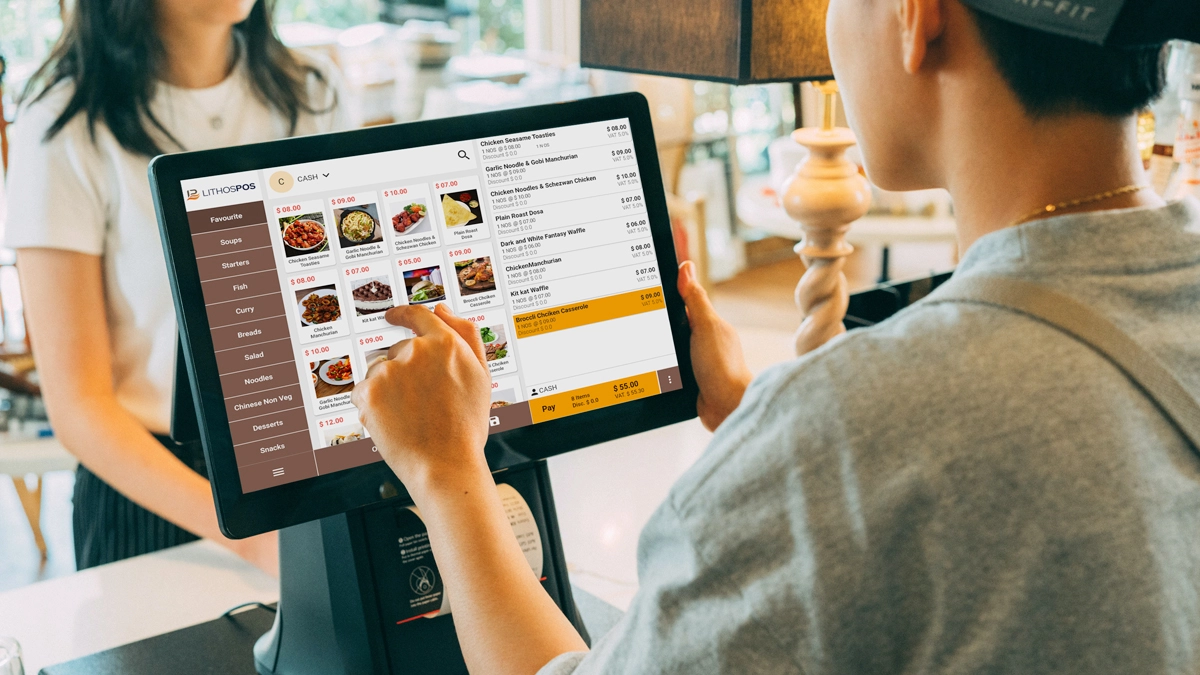
A simple and intuitive interface reduces staff training time and ensures smooth operations. Employees can quickly learn the system and handle transactions efficiently.
How a POS System for Hospitality Improves Customer Experience
Customer experience is a key factor in the success of hospitality businesses, and a reliable POS system for hospitality plays a major role in delivering excellent service.
Faster order processing ensures customers receive their meals or services without unnecessary delays. Digital order management reduces errors and improves accuracy, leading to higher satisfaction.
Personalised service is another benefit of modern POS systems. By storing customer preferences and purchase history, businesses can offer tailored recommendations and loyalty programmes. This enhances customer engagement and encourages repeat visits.
Additionally, contactless payment options and digital receipts provide convenience and safety, which are increasingly important in 2026. A well-implemented POS system ensures a smooth and enjoyable customer journey from order to payment.
Cost and Scalability Considerations for Hospitality POS Systems
Investing in a POS system for hospitality requires careful financial planning. Businesses should consider both initial costs and long-term value when selecting a system.
Affordable solutions should still offer essential features such as inventory tracking, reporting, and payment integration. Choosing an affordable POS system for the hospitality industry helps businesses manage budgets while maintaining operational efficiency.
Scalability is equally important. As businesses grow, their POS system should be able to handle multiple locations, increased transactions, and expanded services. A scalable system ensures that businesses do not need to replace their technology as they expand.
Subscription-based models are becoming popular because they reduce upfront costs and provide regular updates and support. This ensures businesses always have access to the latest features and security improvements.
Choosing the Right Restaurant and Hotel POS System Solutions

Selecting the right restaurant and hotel POS system solutions requires evaluating business needs, operational complexity, and long-term goals.
Hospitality businesses should first identify their requirements, such as table management, reservation integration, or multi-location support. Understanding these needs helps narrow down suitable options.
Vendor reliability is another crucial factor. Businesses should choose providers that offer strong technical support, regular software updates, and reliable customer service. This supports smooth operations and quick issue resolution.
Integration with other tools such as accounting software, online ordering platforms, and customer relationship management systems is also important. Seamless integration improves workflow and reduces manual work.
Testing the system through demos or trial versions allows businesses to evaluate usability and performance before making a final decision.
Future Trends in POS Systems for Hospitality in 2026
Technology continues to shape the hospitality industry, and POS systems are evolving to meet new demands.
Artificial intelligence is being integrated into POS systems to provide predictive analytics and automated recommendations. This helps businesses optimise inventory, pricing, and staffing.
Website development service in Australia is becoming more popular, allowing staff to take orders and process payments directly at the table. This improves efficiency and enhances customer convenience.
Cloud integration and automation will continue to dominate the market, enabling businesses to manage operations from a single platform. Enhanced cybersecurity measures will also ensure data protection and secure transactions.
These innovations will make POS systems more powerful and essential for hospitality businesses in the coming years.
Final Thoughts
Choosing the best POS system for hospitality in 2026 requires careful evaluation of features, scalability, cost, and future technology trends. A well-designed system improves operational efficiency, enhances customer experience, and supports long-term business growth.
From cloud-based functionality to advanced analytics and seamless payment integration, the right POS solution can transform how hospitality businesses operate and compete in a fast-changing market.
For businesses seeking reliable and efficient POS solutions tailored to hospitality needs, explore the advanced technology and professional support offered by us at DibTech.
Frequently Asked Questions (FAQs)
It is software and hardware that manage orders, payments, inventory, and customer data in restaurants, hotels, cafés, and other service-based businesses efficiently.
A cloud-based POS system allows real-time access to sales and inventory data, remote management, automatic updates, and improved security, making operations more flexible and efficient.
The cost varies depending on features and size, but most hospitality POS systems range from affordable monthly subscriptions to premium enterprise solutions with advanced integrations and support.
Yes, modern hospitality POS systems integrate with accounting software, inventory tools, online ordering platforms, and CRM systems to streamline operations and improve business efficiency
Small businesses should prioritise inventory management, easy payment processing, reporting, cloud access, and user-friendly interfaces to ensure smooth daily operations and future scalability.