How a Modern POS System for Liquor Store Improves Inventory Control
In today’s competitive retail landscape, a pos system for liquor store operations is no longer optional; it’s essential. Liquor retailers manage thousands of SKUs, age-restricted sales, supplier variations, and fluctuating demand patterns. Without accurate tracking, inventory discrepancies can quickly eat into profits. From overstocked, slow-moving products to out-of-stock bestsellers, poor inventory control directly impacts revenue and customer satisfaction.
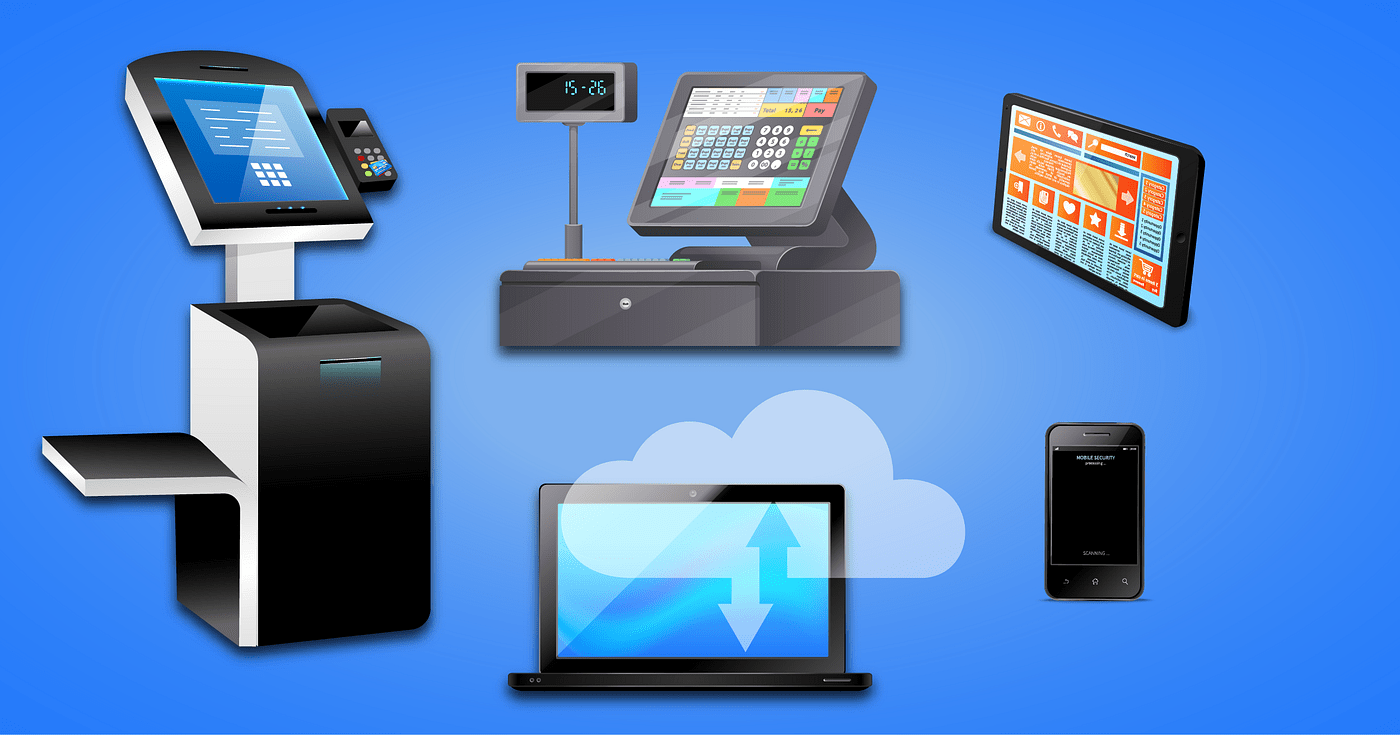
Modern liquor retail technology has transformed how store owners monitor stock levels, automate reordering, and analyse sales performance. A cloud-based POS solution for liquor store environments integrates inventory management, barcode scanning, real-time reporting, and compliance tools into one streamlined platform. This minimises human errors while boosting overall operational efficiency.
With growing competition and increasing compliance requirements, retailers need smarter systems that provide visibility and control. A modern POS solution doesn’t just process transactions; it acts as the backbone of liquor store inventory management. In this blog, we’ll explore how advanced POS features help liquor stores minimise shrinkage, optimise stock levels, improve cash flow, and make data-driven purchasing decisions.
Real-Time Inventory Tracking with a POS System for Liquor Store
One of the biggest challenges in liquor retail is maintaining accurate, real-time inventory records. A modern POS system for liquor store operations updates stock levels instantly with every sale, return, or exchange.
Key Benefits:
- Live stock monitoring: Know exactly how many units of each product are available at any moment.
- Barcode scanning integration: Reduce manual entry errors and speed up checkout.
- Multi-location synchronisation: Ideal for businesses operating multiple liquor outlets.
- Low-stock alerts: Automated notifications when products reach reorder thresholds.
Real-time tracking eliminates guesswork. Instead of manually counting bottles, store owners can rely on accurate digital data. This improves purchasing decisions and prevents both stockouts and overstock situations.
Additionally, detailed SKU-level tracking allows managers to identify high-performing brands, seasonal trends, and slow-moving inventory. With advanced liquor store inventory management software, you can even track inventory by bottle size, vintage, or supplier.
Automated Reordering and Supplier Management
Manual reordering processes often lead to delays, missed opportunities, and excess stock. The best grocery pos system in Australia automates reordering based on preset minimum stock levels.
How Automation Improves Inventory Control:
- Automatic purchase order generation
- Vendor performance tracking
- Order history analysis
- Optimised stock forecasting
With data-driven forecasting tools, store owners can predict demand for holidays, sporting events, or seasonal peaks. By analysing historical sales data, the system identifies patterns and suggests optimal reorder quantities. This reduces carrying costs while ensuring popular products remain available.
Supplier management tools also centralise vendor contact details, pricing agreements, and delivery schedules, allowing better negotiation and streamlined restocking.
Reducing Shrinkage with an Advanced POS System for Liquor Store
Inventory shrinkage, resulting from theft, counting mistakes, or administrative oversights, can greatly affect a store’s profitability. The best grocery pos system in Australia helps minimise losses through accountability and data transparency.
Loss Prevention Tools Include:
- Employee access controls and permissions
- Transaction audit trails
- Integrated security camera compatibility
- Variance and discrepancy reporting
With detailed reporting, managers can quickly identify irregular sales patterns or suspicious void transactions. Advanced POS analytics highlight discrepancies between expected and actual stock levels.
Additionally, age verification tools help maintain compliance with state alcohol regulations. By integrating ID scanning technology, liquor stores reduce compliance risks while maintaining accurate transaction records.
This level of oversight ensures that every bottle is accounted for, from receiving shipments to final sale, making inventory shrinkage far less likely.
Data-Driven Reporting and Sales Analytics
A powerful POS system for liquor store management provides in-depth analytics that go far beyond daily sales totals.
Critical Reports Include:
- Best-selling brands and categories
- Seasonal sales trends
- Profit margin analysis
- Dead stock reports
- Inventory turnover ratios
These reports empower store owners to make strategic purchasing decisions. Instead of relying on assumptions, retailers can use real data to determine which craft beers, premium spirits, or imported wines deserve more shelf space.
With mobile dashboards and cloud access, owners can monitor store performance anytime, anywhere. This visibility improves cash flow management and supports long-term growth strategies.
Multi-Location Inventory Management and Centralised Control with POS System for Liquor Store
For liquor retailers operating multiple stores, centralised inventory control is critical. A modern POS system consolidates data across all locations into one unified platform.
Advantages Include:
- Centralised product database
- Location-specific pricing management
- Cross-store inventory transfers
- Consolidated financial reporting
This helps maintain uniform pricing, coordinated promotions, and balanced stock across all locations. Managers can quickly move inventory between stores to meet demand spikes, preventing unnecessary new purchases.
Centralised reporting also simplifies tax compliance and financial audits. Instead of compiling separate reports, owners can generate comprehensive multi-store performance summaries instantly.
Improving Customer Experience Through Inventory Accuracy
Inventory control doesn’t just affect backend operations; it directly impacts customer satisfaction.
When products are consistently available, customers trust your store. A modern POS helps maintain optimal stock levels for high-demand items like bourbon, vodka, and craft IPA selections.
Additional benefits include:
- Faster checkout times with barcode scanning
- Loyalty program integration
- Targeted promotions based on purchase history
- Accurate online inventory syncing for e-commerce
Satisfied customers return more frequently, increasing lifetime value and overall profitability.
End Notes
A modern POS system for liquor store operations transforms inventory control from a manual, error-prone process into a streamlined, data-driven strategy. From real-time tracking and automated reordering to shrinkage reduction and multi-location management, today’s advanced POS technology gives liquor retailers full visibility and control over their stock.
By leveraging detailed analytics, integrated compliance tools, and cloud-based reporting, store owners can reduce losses, optimise purchasing, and improve overall efficiency. The right system not only protects profits but also enhances the customer experience.
If you’re looking to modernise your liquor store operations with powerful inventory management features, we at Dibtech offer innovative retail POS solutions tailored to liquor retailers. Visit us to discover how our advanced systems can help you streamline inventory, boost accuracy, and drive long-term growth.
Frequently Asked Questions (FAQs)
A POS system tracks every transaction, monitors stock levels in real time, and provides audit trails. These features identify discrepancies quickly and reduce theft, miscounts, and administrative errors.
Yes, modern POS systems generate automatic purchase orders when stock reaches preset minimum levels, ensuring consistent availability without manual intervention or overstocking.
Cloud-based POS systems allow remote access, real-time updates, and multi-location synchronisation, making them highly effective for accurate and centralised liquor inventory management.
Detailed sales analytics highlight best-selling products, seasonal trends, and slow-moving items, enabling store owners to make informed purchasing decisions based on real data.
Yes, advanced POS systems centralise inventory, pricing, and reporting across all store locations, ensuring consistent operations and simplified financial management.