POS Systems and Their Impact on Retail and Cafe Profitability
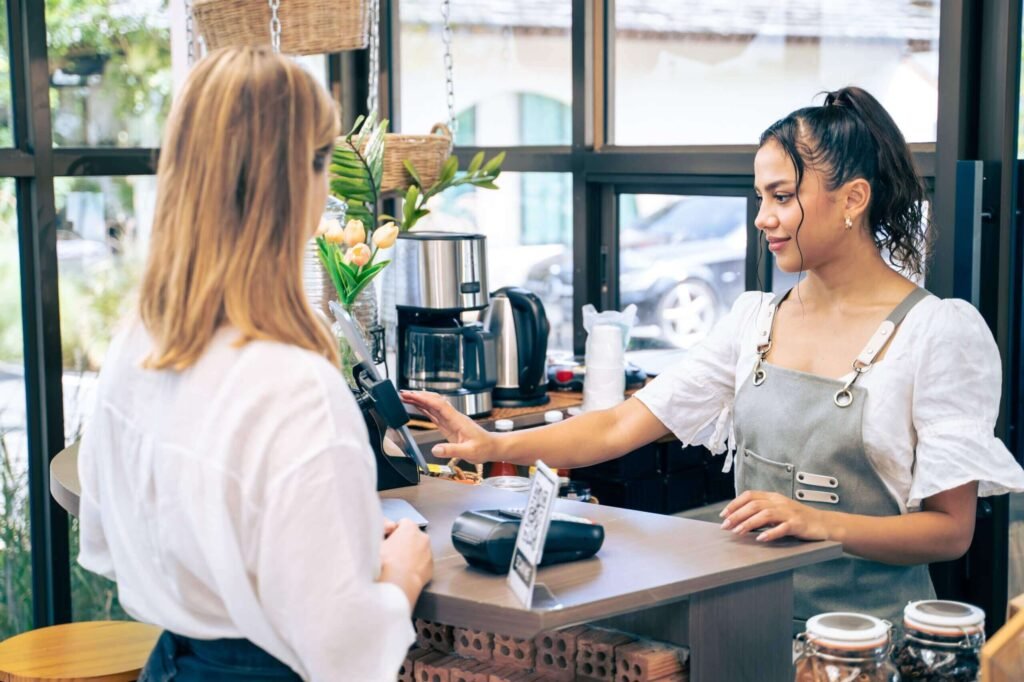
In today’s competitive market, retail stores and cafes must operate efficiently while delivering exceptional customer experiences. One of the most powerful tools helping businesses achieve this balance is the Point of Sale (POS) system. Far beyond simple billing software, modern POS systems play a vital role in improving accuracy, controlling costs, enhancing customer service, and ultimately increasing profitability.
Streamlined Operations and Faster Transactions
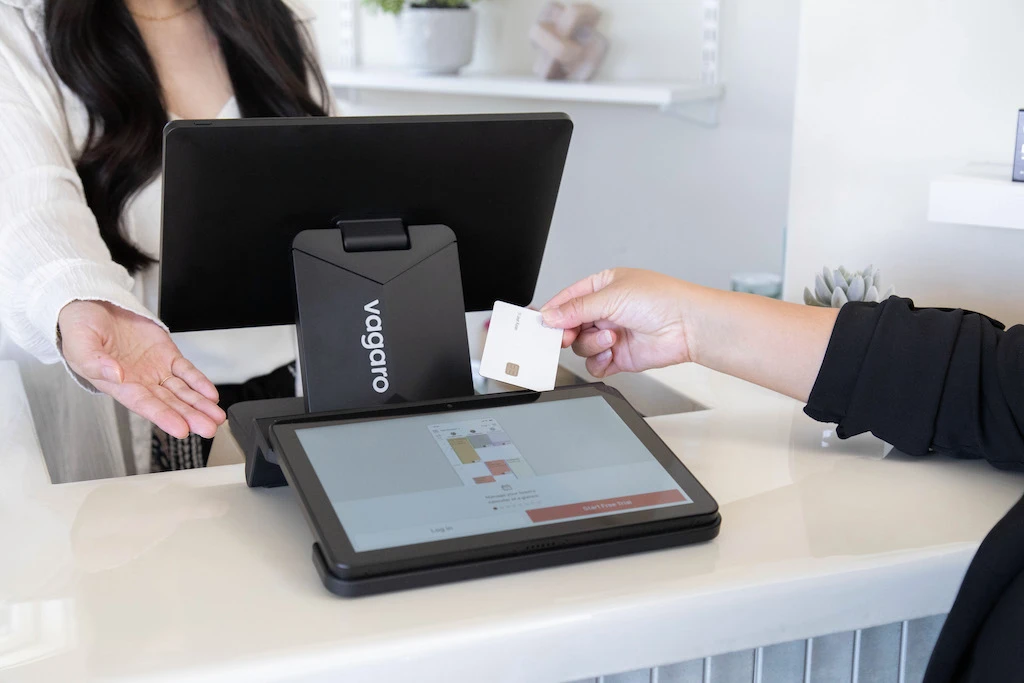
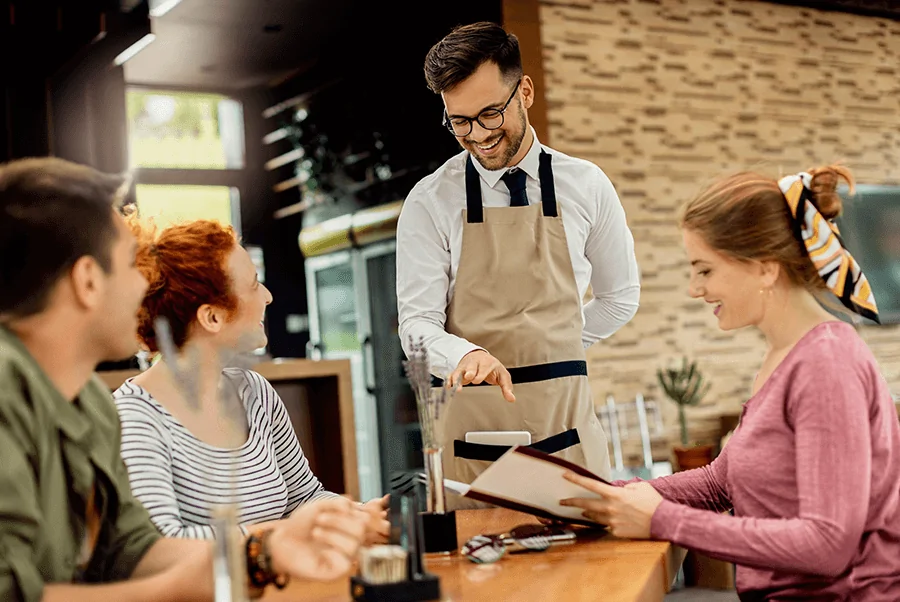
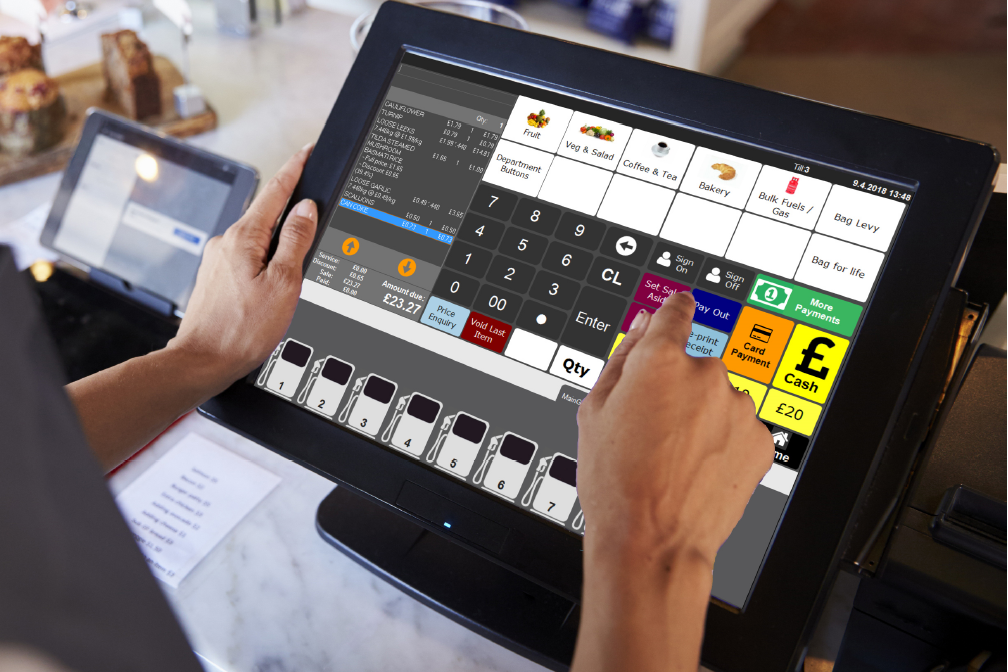
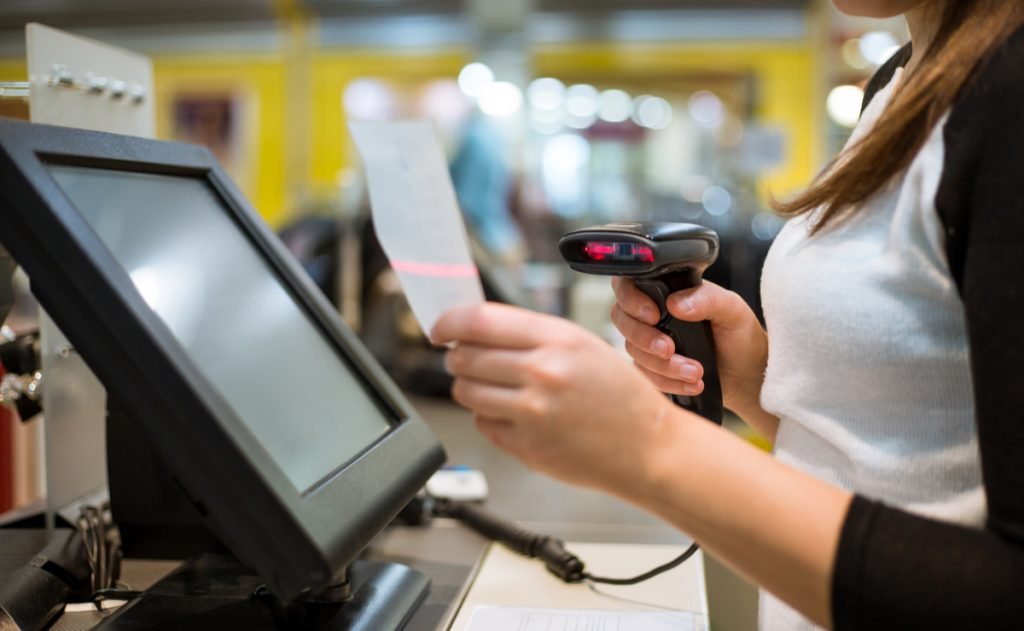
Speed matters in both retail and cafe environments. During peak hours, long queues can lead to lost sales and frustrated customers. A modern POS system accelerates the checkout process by simplifying order entry, barcode scanning, digital payments, and receipt generation. In cafes, staff can quickly input customized orders, reducing confusion and preparation errors. In retail stores, barcode integration ensures products are scanned accurately within seconds.
By minimizing delays and mistakes, businesses can serve more customers in less time. Increased transaction volume directly impacts daily revenue, making efficiency a core driver of profitability.
Accurate Inventory Management
Inventory mismanagement is one of the biggest causes of profit loss in retail and cafe businesses. Overstocking ties up capital, while understocking leads to missed sales opportunities. A POS system provides real-time inventory tracking, automatically updating stock levels after each sale.
For cafes, this means monitoring ingredient usage and avoiding shortages of popular items. For retailers, it ensures timely restocking of high-demand products. Automated alerts for low inventory levels help owners make smarter purchasing decisions. Reduced wastage and optimized stock levels significantly improve cost control, contributing directly to higher profit margins.
Data-Driven Decision Making
One of the most valuable features of modern POS systems is reporting and analytics. Detailed sales reports allow business owners to identify best-selling products, peak sales hours, and customer buying patterns. With this data, cafes can adjust menus to promote high-margin items, while retailers can design targeted promotions for slow-moving stock.
Instead of relying on guesswork, owners can base decisions on accurate insights. This leads to smarter pricing strategies, improved product placement, and more effective marketing campaigns—all of which positively impact profitability.
Improved Employee Management
Labor costs represent a significant expense for cafes and retail businesses. POS systems often include employee management features such as clock-in and clock-out tracking, performance monitoring, and sales tracking by staff member.
With clear performance data, managers can identify top performers and provide training where needed. Efficient staff scheduling based on peak sales data prevents overstaffing or understaffing. Controlling labor expenses while maintaining productivity ensures better financial balance and higher net profits.
Enhanced Customer Experience
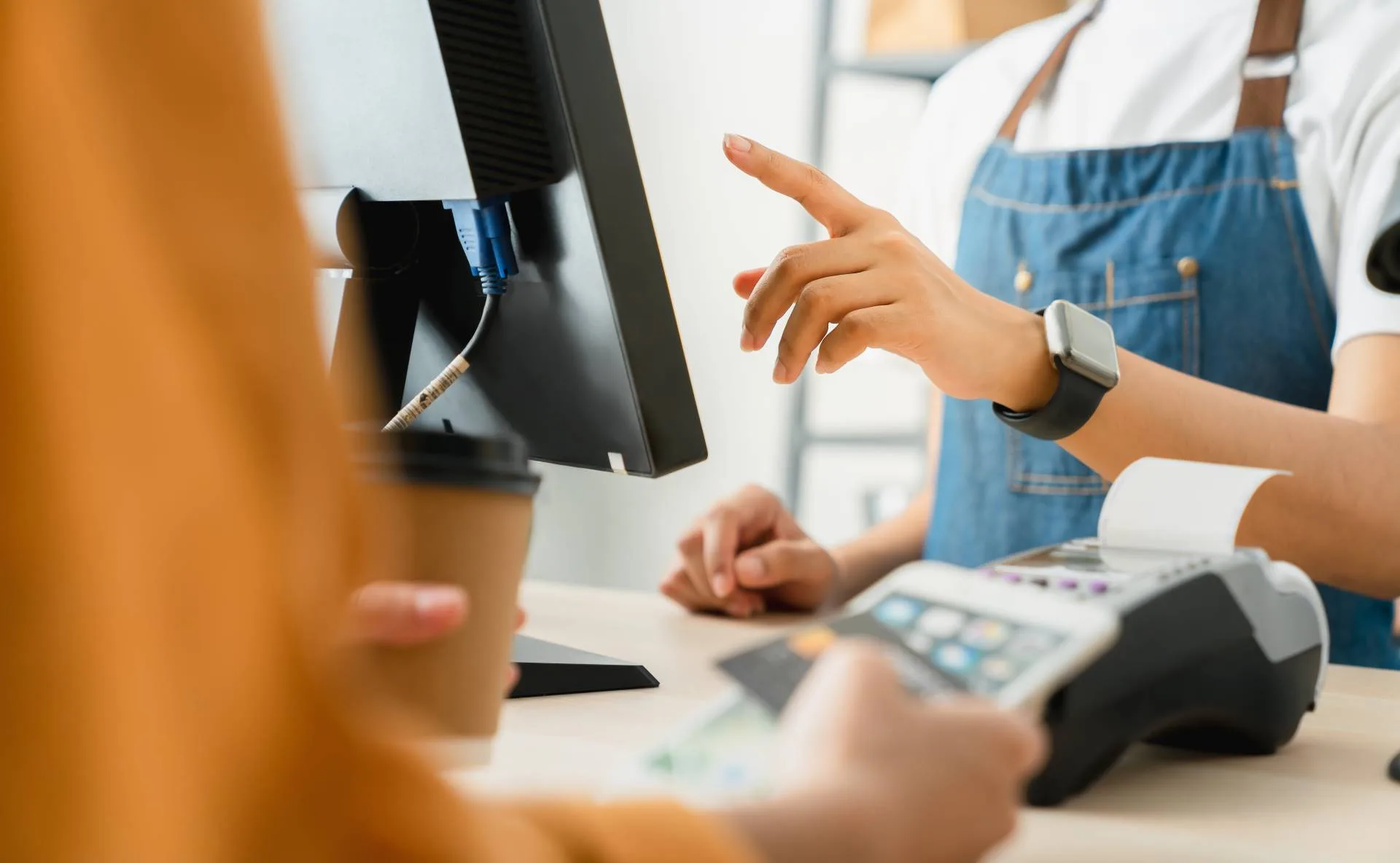
Customer satisfaction plays a major role in long-term profitability. A POS system enhances the customer experience by offering faster service, accurate billing, and multiple payment options including contactless and digital wallets.
Additionally, many POS systems support loyalty programs and customer databases. Cafes can reward repeat customers with discounts or free items, while retailers can track purchase history and send personalized offers. Building strong customer relationships encourages repeat visits and increases lifetime customer value, which significantly boosts overall revenue.
Reduced Errors and Loss Prevention
Manual billing systems increase the risk of pricing errors, incorrect totals, and even internal theft. A POS system standardizes pricing, tracks every transaction, and records voids or refunds. This transparency reduces discrepancies and strengthens financial control.
For retail stores, barcode scanning minimizes pricing mistakes. In cafes, automated order transmission reduces communication errors between front-of-house and kitchen staff. Lower error rates mean fewer losses and more consistent profit retention.
Scalability and Business Growth
As cafes and retail stores expand, managing multiple locations becomes more complex. Cloud-based POS systems allow business owners to monitor sales, inventory, and performance across branches from a single dashboard.
This centralized control simplifies expansion while maintaining consistency. The ability to scale efficiently without losing operational control plays a crucial role in sustaining profitability over time.
Conclusion
POS systems are no longer just billing tools—they are comprehensive business management solutions. By improving operational efficiency, controlling inventory, enhancing customer satisfaction, reducing errors, and providing valuable business insights, POS systems directly influence retail and cafe profitability.