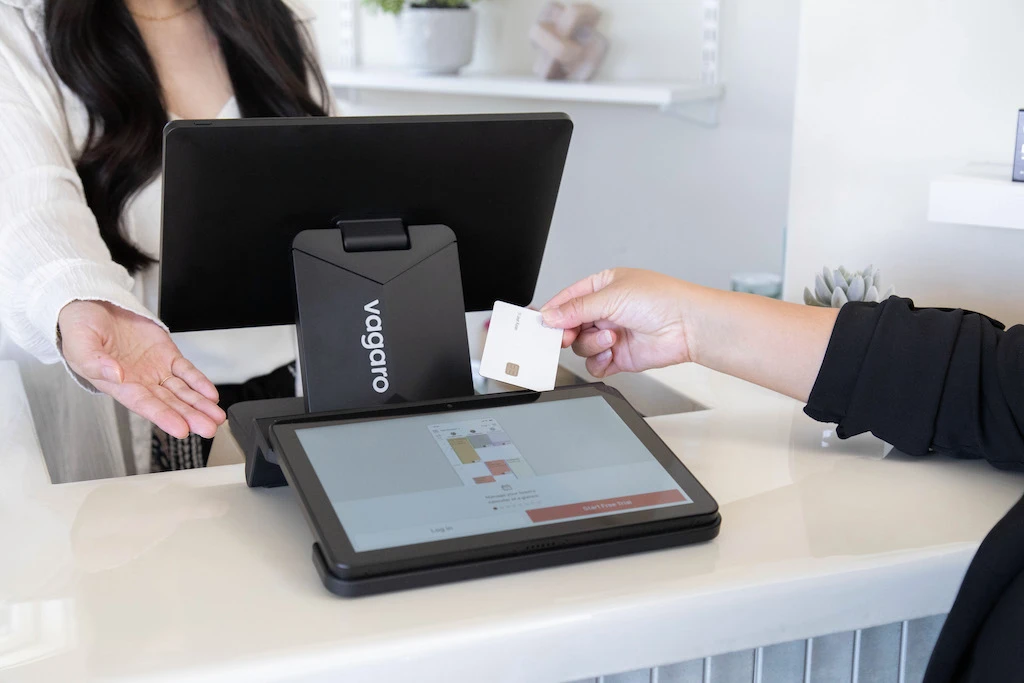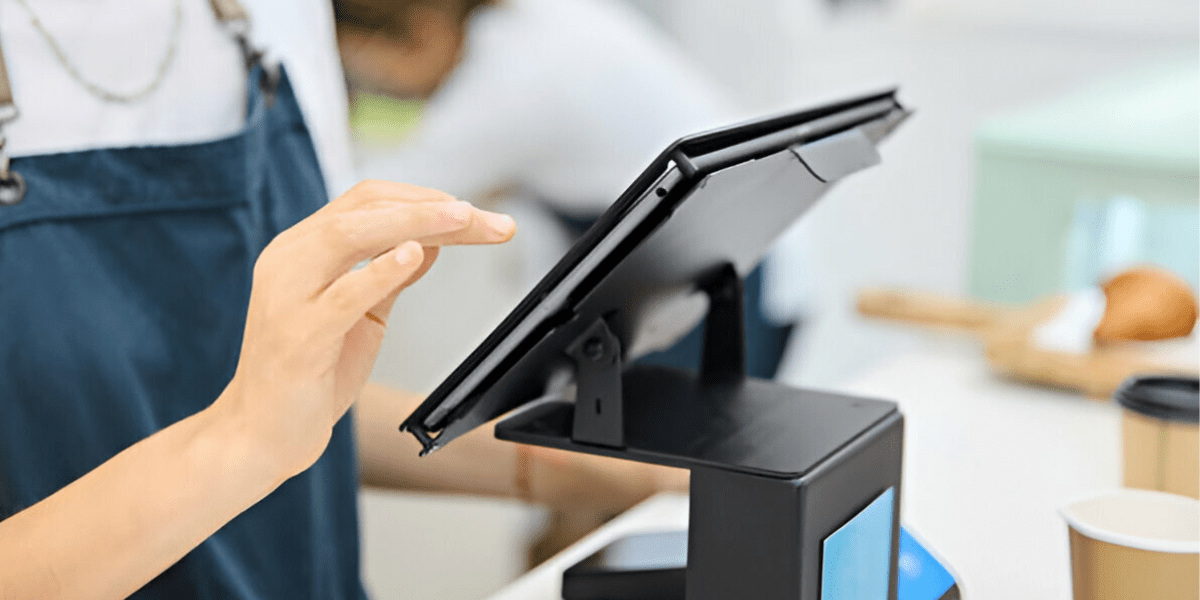
POS Systems: The Backbone of Product-Centric Business Growth

In today’s competitive marketplace, businesses that focus on products—whether retail stores, supermarkets, cafés, or multi-category outlets—must make fast, informed decisions to grow. Managing products, categories, pricing, and stock manually is no longer sustainable. This is where modern Point of Sale (POS) systems become the backbone of product-centric business growth, providing the data, control, and insights businesses need to scale confidently.
A POS system is far more than a billing tool. It acts as a central hub that connects product sales, inventory movement, category performance, and customer demand in real time. For product-driven businesses, this unified view is critical for growth.
Centralized Product Management for Better Control
One of the biggest advantages of POS systems is centralized product management. Businesses can create, edit, and organize products and categories from a single platform. This eliminates inconsistencies in pricing, naming, and classification, especially for businesses with multiple locations or large product catalogs.
With a POS system, adding new products or updating existing ones becomes quick and error-free. This ensures that staff always sell the correct items at the right prices, helping maintain customer trust while supporting smooth operations as the business grows.
Category-Level Insights That Drive Growth
Product-centric growth depends on understanding which categories perform best. POS systems automatically track sales at both product and category levels, allowing businesses to identify high-performing and low-performing segments.
By analyzing category-wise data, businesses can focus more on profitable products, reduce slow-moving inventory, and refine their product mix. These insights help owners make smarter purchasing and merchandising decisions, directly contributing to sustainable business growth.
Real-Time Sales Data for Faster Decisions
Growth-oriented businesses need real-time information, not delayed reports. POS systems provide live sales data that shows what is selling, when it is selling, and in what quantity. This immediate visibility allows businesses to respond quickly to trends, promotions, or sudden changes in customer demand.
For example, if a specific product category sees a spike in sales, businesses can replenish stock instantly and avoid missed revenue opportunities. Faster decisions lead to better customer experiences and higher profitability.
Inventory Optimization Through Product Tracking
Inventory management is a major challenge for product-based businesses. Overstocking ties up cash, while understocking leads to lost sales. POS systems solve this problem by tracking inventory at the product and category level.
Automatic stock updates after each sale ensure accurate inventory counts. POS reports also highlight fast-moving and slow-moving products, helping businesses optimize purchasing plans. This balance between availability and efficiency is essential for long-term growth.
Smarter Pricing and Product Strategies
POS systems empower businesses to refine pricing strategies based on real sales performance. By analyzing product margins, category profitability, and sales volume, businesses can adjust prices strategically without guesswork.
This data-driven approach helps identify opportunities for bundles, discounts, or premium pricing on high-demand products. As a result, businesses maximize revenue while maintaining competitive positioning in the market.
Supporting Scalability and Expansion
As businesses grow, managing products across locations becomes more complex. POS systems are built to scale, making it easy to replicate product catalogs, categories, and pricing structures across multiple outlets.
This consistency ensures that customers receive the same experience everywhere, strengthening brand trust. At the same time, management gains centralized oversight, enabling smoother expansion without operational chaos.
Turning Product Data into Growth Opportunities
Perhaps the most powerful advantage of POS systems is their ability to transform raw product data into actionable growth strategies. Sales reports, category trends, and inventory insights work together to guide smarter decisions.
Businesses can confidently launch new products, discontinue underperforming ones, and invest more in categories that show consistent growth. Over time, these informed decisions compound into stronger performance and sustained success.
Conclusion
POS systems are truly the backbone of product-centric business growth. By offering centralized product control, category-level insights, real-time sales data, and inventory optimization, they enable businesses to grow with clarity and confidence. In an environment where products define success, a robust POS system is not just an advantage—it is a necessity for long-term growth and competitiveness.