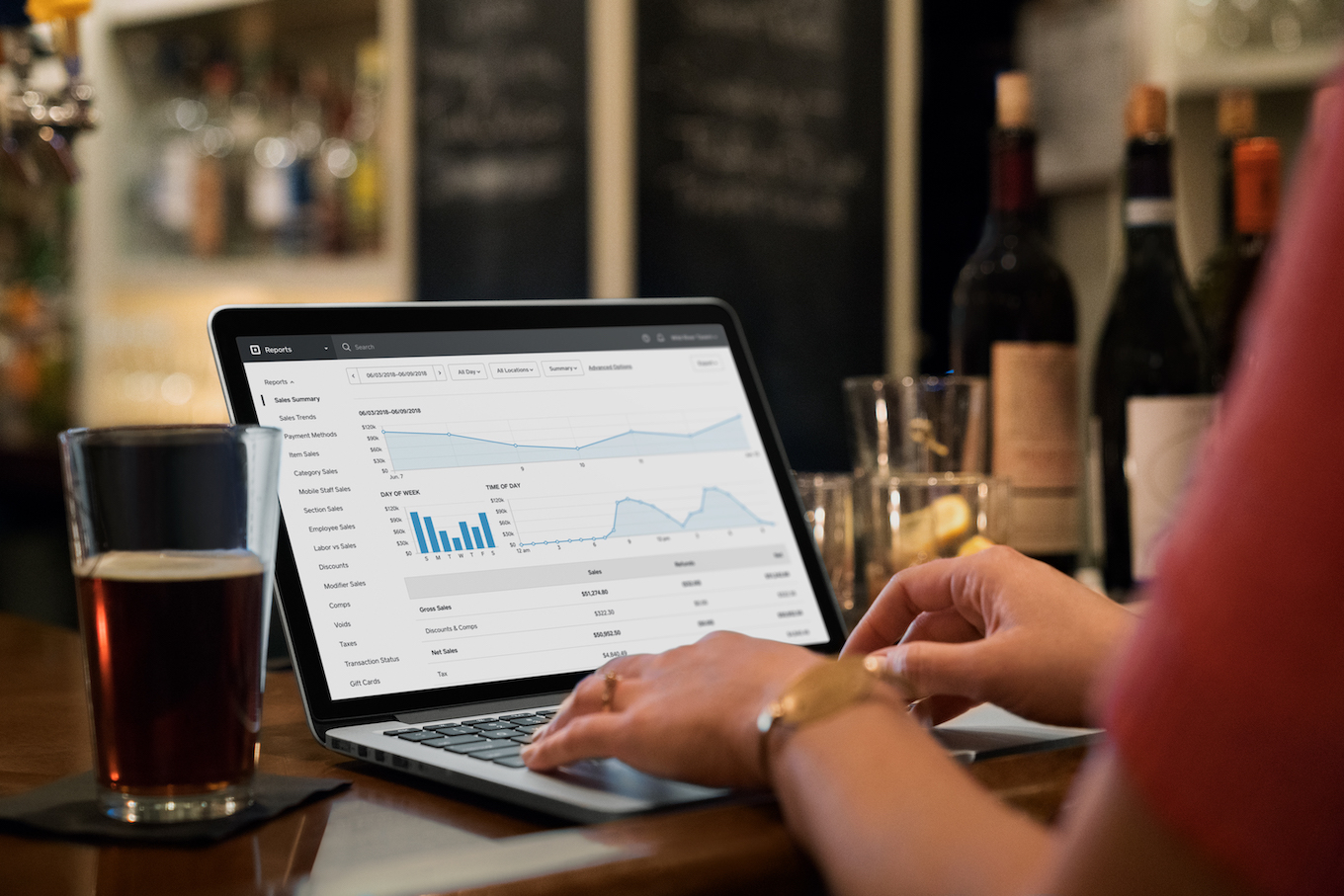
POS Systems: The Heartbeat of Retail and Restaurant Operations
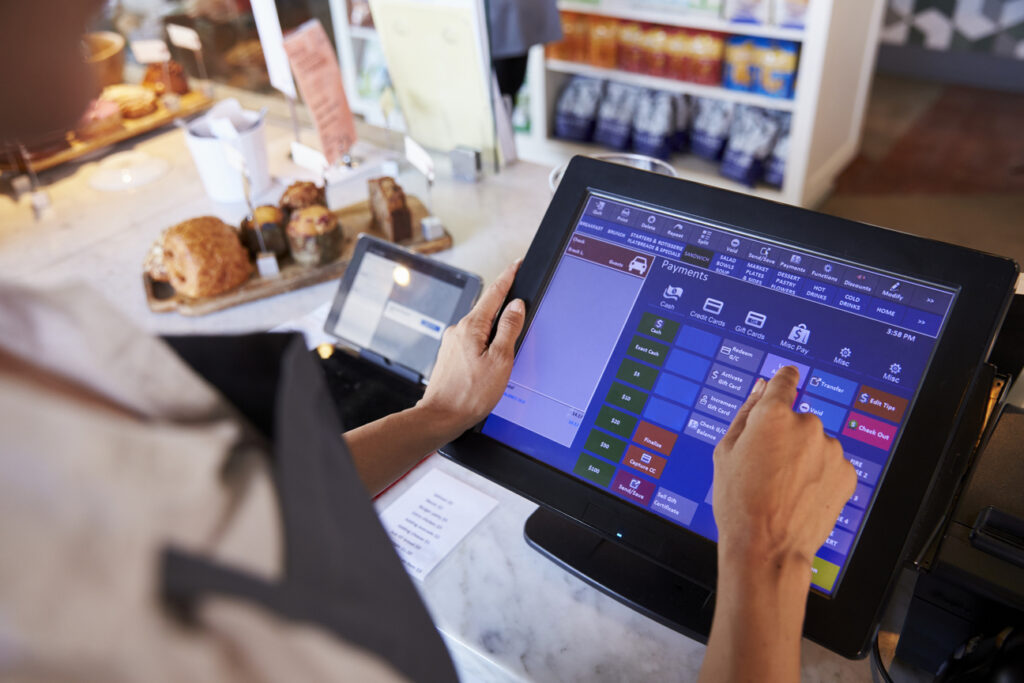
In today’s fast-paced business environment, efficiency, accuracy, and customer satisfaction are the keys to success. For retail stores and restaurants, one technology lies at the heart of all these factors — the Point of Sale (POS) system. Once considered just a tool for processing transactions, modern POS systems have evolved into powerful business management platforms that drive sales, streamline operations, and enhance customer experiences.
What Is a POS System?
A POS system is a combination of hardware and software that allows businesses to complete sales transactions, track inventory, and manage customer data. Traditional POS systems were simply cash registers connected to receipt printers. But today’s cloud-based and mobile POS systems do much more — from real-time analytics to employee management, online ordering, and customer loyalty programs.
In short, your POS system is no longer just the checkout counter — it’s the central hub that keeps your entire business running smoothly.
The Role of POS Systems in Retail Operations
For retailers, a POS system is like having an extra manager who never sleeps. It helps you monitor sales, track inventory, and understand customer buying patterns in real time.
1. Inventory Management:
A modern retail POS tracks every product that enters and leaves your store. You can see which items sell quickly, identify slow-moving products, and even set automatic stock alerts. This minimizes overstocking and stockouts — both of which affect your bottom line.
2. Data-Driven Insights:
With built-in analytics, a POS provides valuable insights into customer behavior and sales trends. Retailers can make informed decisions on pricing, promotions, and inventory purchases, ultimately leading to increased profitability.
3. Seamless Checkout Experience:
A fast and efficient checkout experience keeps customers happy. POS systems enable multiple payment options — cash, card, digital wallets, and even contactless payments — making transactions quick and convenient.
4. Employee Management:
POS systems can track employee performance, sales per staff member, and working hours. This not only simplifies payroll but also helps you identify your top performers.
In essence, a POS system empowers retailers to manage every aspect of their store — from inventory to customer engagement — through one unified platform.
How POS Systems Transform Restaurant Operations
In the restaurant and hospitality industry, every second counts. From taking orders to managing tables and kitchen coordination, efficiency directly impacts customer satisfaction and revenue. This is where POS systems truly shine.
1. Order Accuracy and Speed:
A restaurant POS eliminates manual errors in order-taking. Servers can input orders directly into tablets or terminals, which instantly send details to the kitchen display system (KDS). This speeds up service and ensures that customers get exactly what they ordered.
2. Table and Menu Management:
With a POS, restaurant owners can easily manage table layouts, reservations, and menu updates in real time. You can quickly modify items, change prices, or highlight specials without reprinting menus.
3. Integrated Payments and Tips:
Modern restaurant POS systems simplify the payment process. Customers can split bills, pay via different methods, or leave tips directly on the screen — making checkout effortless.
4. Reporting and Analytics:
Just like in retail, restaurant POS systems generate detailed reports on sales, peak hours, and popular dishes. This data helps owners make smarter menu and staffing decisions, improving both profitability and service quality.
Why POS Systems Are Essential for Business Growth
The true strength of a POS system lies in integration. By connecting your sales, inventory, accounting, and customer data in one ecosystem, a POS turns raw information into actionable insights.
Whether you own a boutique, a coffee shop, or a multi-location restaurant chain, a POS system gives you control, clarity, and confidence in managing your operations. It helps you reduce errors, improve efficiency, enhance customer experience, and most importantly — make data-driven decisions that fuel growth.
Conclusion
In today’s competitive retail and restaurant industries, success depends on more than just great products or delicious food — it depends on how efficiently you run your operations. A POS system truly serves as the heartbeat of your business, keeping every process connected and functioning in perfect harmony.
From simplifying daily tasks to driving long-term growth, a modern POS system is not just a tool — it’s a business partner. If you want to stay ahead in this digital era, investing in a robust POS system is one of the smartest decisions you can make.