POS Tools That Help Restaurants and Marts Handle Peak Hours Smoothly
Peak hours are the true test of any restaurant or mart. Lunch rushes, dinner crowds, weekend shopping, and festive seasons can quickly turn into chaos if systems are not prepared to handle the pressure. Long queues, delayed orders, billing mistakes, and frustrated customers are common problems during busy periods. This is where modern POS tools play a critical role. A well-designed POS system helps restaurants and marts manage high traffic smoothly, ensuring faster service, accurate transactions, and better customer satisfaction.
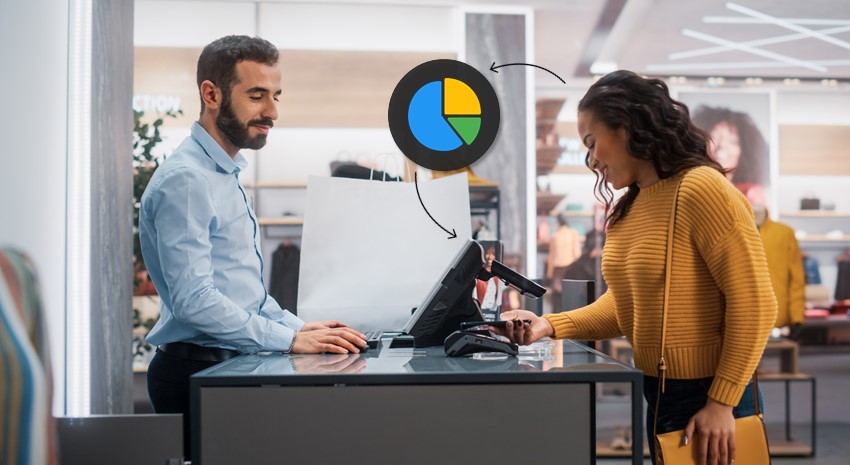
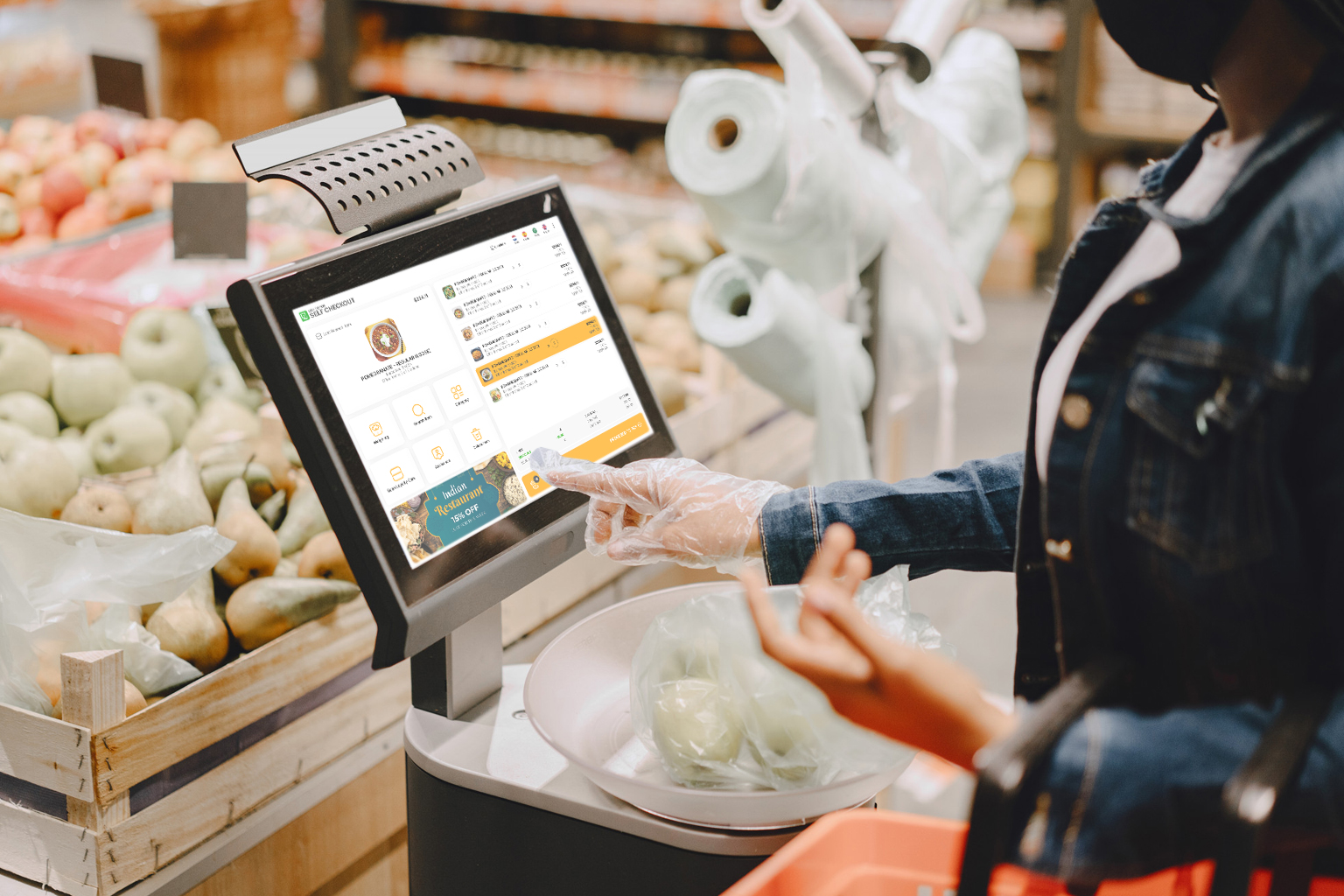
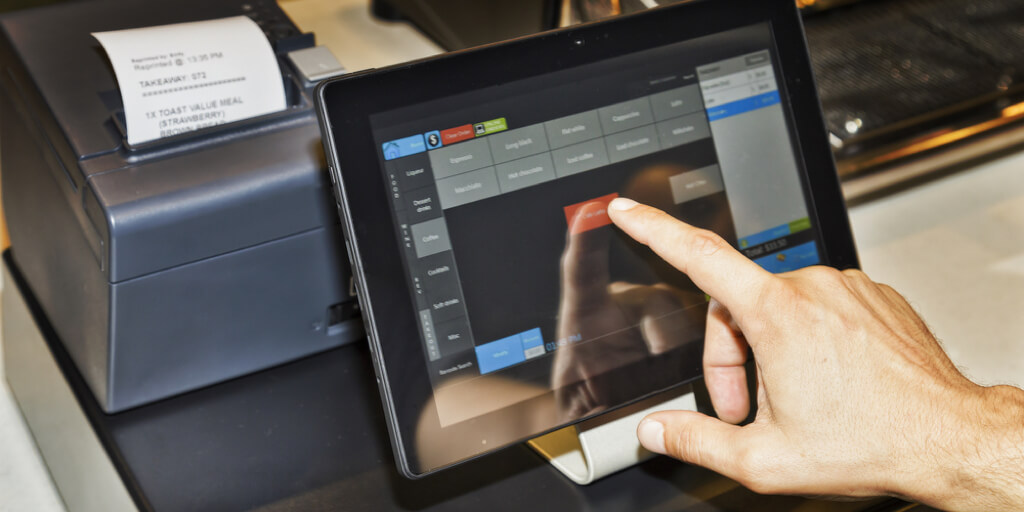
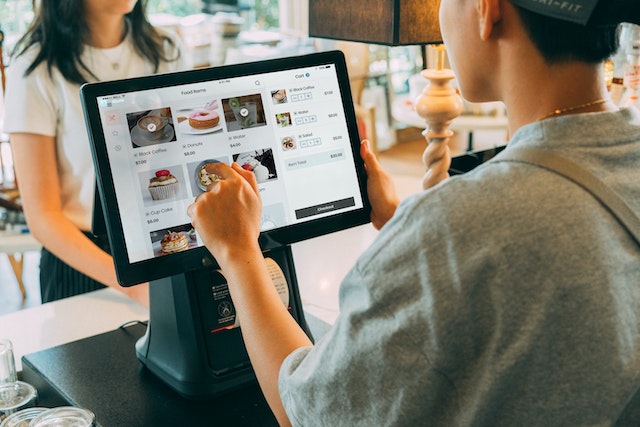
One of the most important POS tools during peak hours is fast and responsive billing. Modern POS systems are designed for speed, allowing staff to process orders and payments in seconds. With touchscreen interfaces, predefined menus, and quick-search product lists, employees can complete transactions without delays. Faster billing means shorter queues, which directly improves the customer experience during busy times.
Another key feature is order management and queue handling. In restaurants, POS tools can instantly send orders to kitchen displays or printers, eliminating the need for manual communication. This reduces confusion and ensures orders are prepared in the correct sequence. For marts, POS systems manage multiple checkouts simultaneously, keeping the flow steady even when customer volume is high. Clear order tracking helps staff stay organized and focused under pressure.
Inventory tracking in real time is another powerful POS tool that supports smooth peak-hour operations. During rush periods, running out of popular items can cause delays and customer dissatisfaction. POS systems automatically update stock levels with every sale, alerting staff when items are low. This allows managers to restock in advance or adjust promotions to avoid shortages during busy hours.
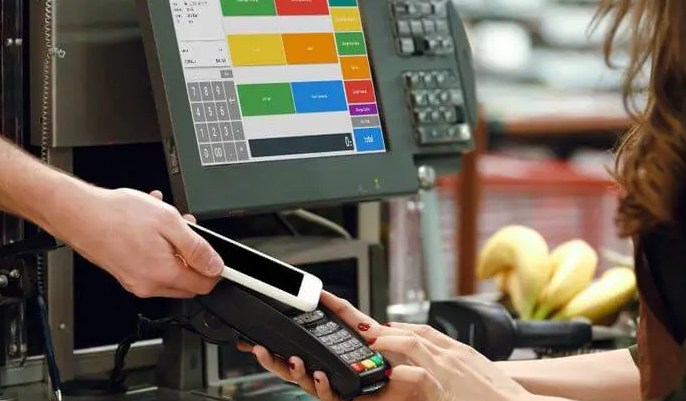
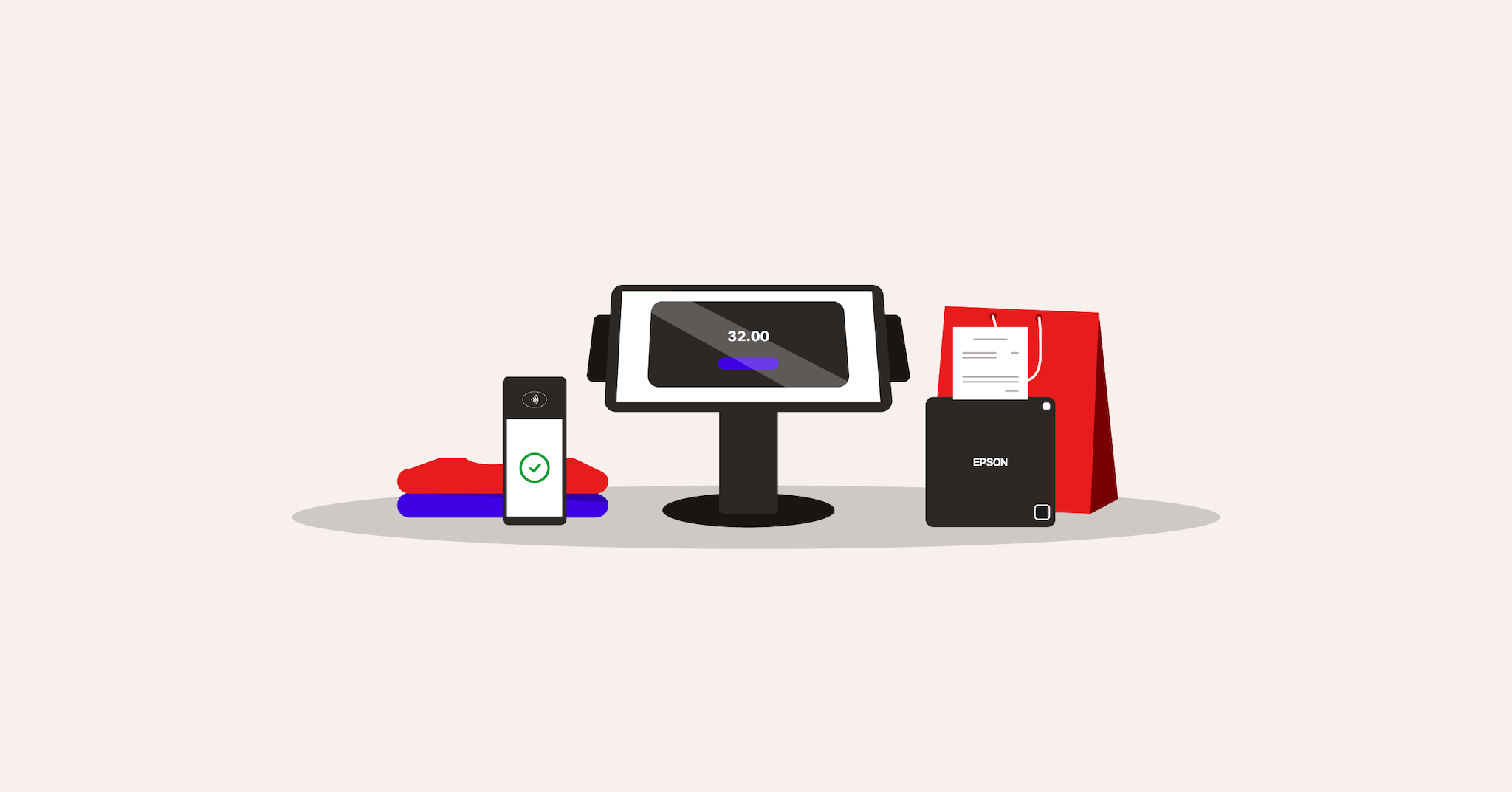
POS tools also support multi-payment options, which is essential during peak times. Customers today prefer different payment methods such as cards, digital wallets, and QR payments. A POS system that supports multiple payment types speeds up checkout and reduces bottlenecks. Customers can pay quickly using their preferred method, keeping lines moving efficiently.
For restaurants, menu and pricing automation is especially helpful during rush hours. POS systems allow quick menu updates, combo offers, and automatic pricing rules. Staff do not need to remember special deals or calculate discounts manually. This minimizes errors and saves valuable time when orders are coming in rapidly.
Another advantage is staff efficiency and role management. POS tools allow managers to assign roles, track performance, and monitor order flow in real time. During peak hours, this visibility helps managers make quick decisions, such as opening extra counters or reallocating staff where needed. Employees can focus on serving customers instead of handling paperwork or fixing mistakes.
Reporting and insights also play a long-term role in managing peak hours smoothly. POS systems record data on busy times, best-selling items, and average service speed. By analyzing this data, restaurant and mart owners can prepare better for future rushes. Staffing schedules, inventory planning, and promotional timing can all be optimized based on real usage patterns.
POS systems also reduce human errors, which are more common during high-pressure situations. Automated calculations, barcode scanning, and digital order entry eliminate mistakes caused by manual billing or handwritten notes. Fewer errors mean fewer complaints, refunds, and delays during peak operations.
In conclusion, POS tools are essential for restaurants and marts that want to handle peak hours smoothly. From fast billing and order management to inventory control and multi-payment support, POS systems simplify complex tasks during the busiest times of the day. By improving speed, accuracy, and coordination, POS tools help businesses deliver consistent service even under pressure. Investing in the right POS system not only improves peak-hour performance but also strengthens overall business efficiency and customer trust.