Smart Reporting with POS Systems for Modern Businesses
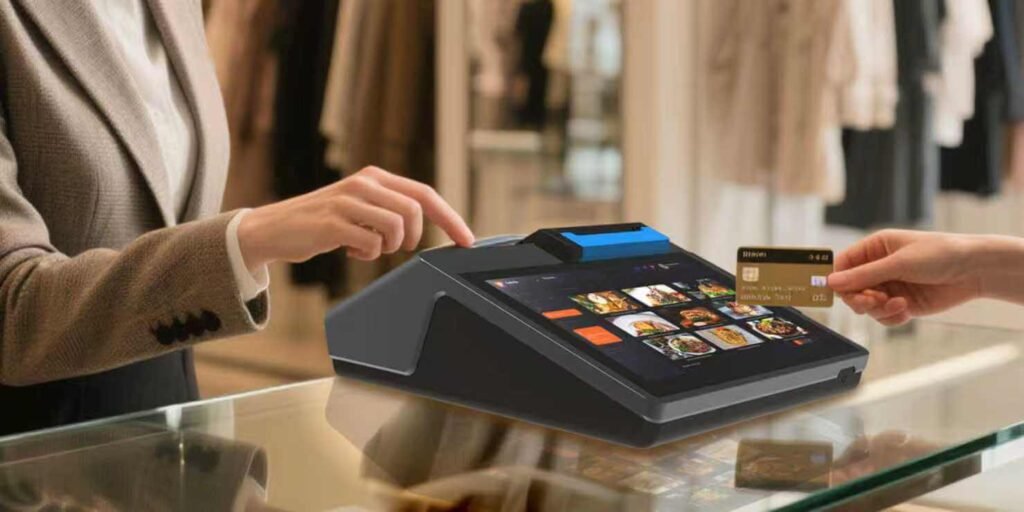
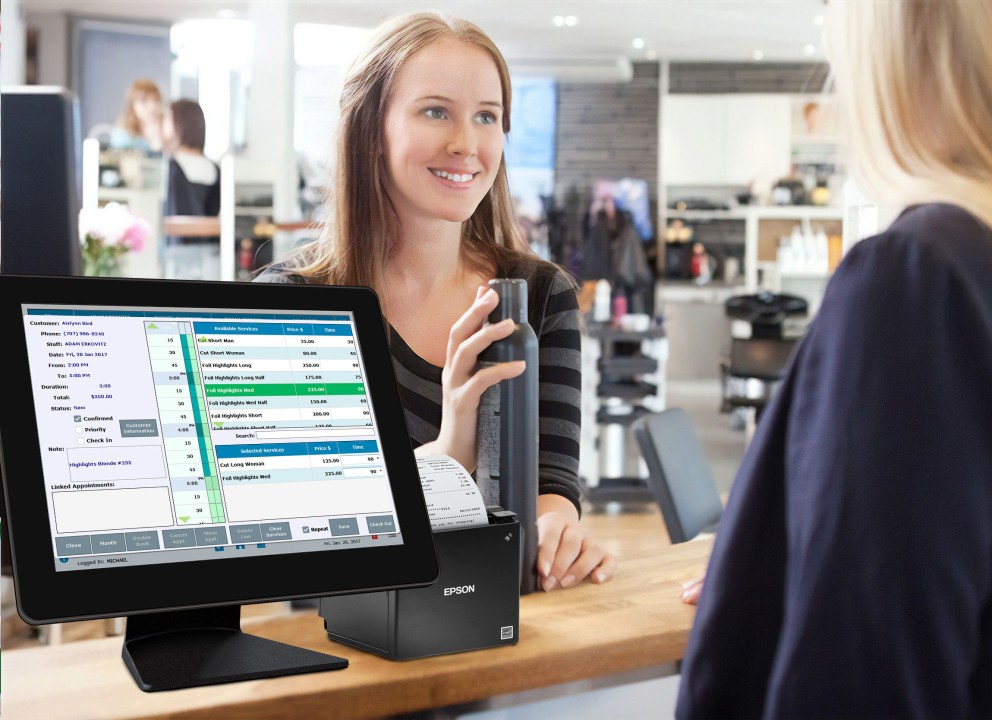
In today’s competitive business environment, data plays a critical role in decision-making. Modern businesses are no longer relying on guesswork to manage operations, control expenses, or increase profitability. Instead, they depend on smart reporting powered by advanced Point of Sale (POS) systems. A modern POS system does far more than process transactions — it transforms everyday sales activity into meaningful business insights.
What Is Smart Reporting in POS Systems?
Smart reporting refers to the ability of a POS system to automatically collect, analyze, and present business data in clear and easy-to-understand reports. Every sale, refund, inventory update, and customer interaction generates valuable information. A POS system organizes this information into reports that help business owners understand performance trends and make informed decisions.
Instead of manually preparing spreadsheets or checking paper records, businesses can access real-time reports through dashboards, mobile apps, or cloud platforms. This saves time while improving accuracy.
Real-Time Business Insights
One of the biggest advantages of smart reporting is real-time visibility. Business owners can instantly view daily sales performance, peak operating hours, staff productivity, and revenue trends. Whether managing a retail store, café, restaurant, or service-based business, instant access to data allows quick decision-making.
For example, if sales drop during certain hours, businesses can introduce promotions or adjust staffing levels. Real-time reporting ensures that problems are identified early rather than after financial losses occur.
Improved Inventory and Stock Control
Smart reporting is closely connected to inventory management. POS systems track stock automatically as products are sold. Reports show current stock levels, fast-moving items, slow-selling products, and reorder requirements.
This information helps businesses avoid two common problems: overstocking and stock shortages. Overstocking ties up capital and storage space, while stockouts lead to missed sales opportunities. With automated inventory reports, businesses can maintain optimal stock levels and improve cash flow.
Better Financial Management
Financial clarity is essential for sustainable growth. POS reporting provides detailed breakdowns of revenue, profit margins, taxes, and expenses. Business owners can monitor performance without waiting for monthly accounting reports.
Daily and weekly financial reports allow businesses to track profitability trends, compare performance across different periods, and plan budgets effectively. Accurate reporting also simplifies tax preparation and reduces accounting errors.
Employee Performance Monitoring
Modern POS systems also generate staff performance reports. These reports track sales handled by each employee, transaction speed, refunds processed, and working hours. Managers can identify top-performing staff members and provide additional training where needed.
Transparent performance data helps create accountability while improving overall customer service standards.
Understanding Customer Behavior
Smart reporting gives businesses valuable insights into customer preferences and buying habits. POS systems can identify popular products, repeat customers, and seasonal purchasing trends. Businesses can use this information to design targeted promotions, loyalty programs, and personalized marketing strategies.
Understanding customer behavior not only improves sales but also strengthens customer relationships and brand loyalty.
Cloud-Based Accessibility and Flexibility
Modern POS systems often operate on cloud technology, allowing business owners to access reports from anywhere. Whether at home, traveling, or managing multiple locations, owners can monitor operations through smartphones or laptops.
Cloud reporting is especially useful for multi-location businesses because it centralizes data into one unified system. This ensures consistent reporting standards across all branches.
Supporting Business Growth
Smart reporting transforms POS systems into powerful business management tools. Instead of reacting to problems, businesses can predict trends, optimize operations, and plan future expansion confidently. Data-driven decisions reduce risk and improve efficiency across all departments.
As markets continue to evolve, businesses that leverage smart POS reporting gain a competitive advantage. Accurate insights lead to better planning, stronger inventory control, improved customer satisfaction, and higher profitability.
Conclusion
Smart reporting with POS systems is no longer a luxury — it is a necessity for modern businesses. By turning everyday transactions into actionable insights, POS systems help owners understand their operations clearly and make smarter decisions. Businesses that embrace intelligent reporting are better positioned to adapt, grow, and succeed in an increasingly data-driven marketplace.