Streamlining Operations with POS Systems in Retail and Dining
In today’s fast-paced business environment, efficiency is the key to success—especially in retail stores and restaurants where customer expectations are higher than ever. One of the most powerful tools helping businesses stay organized, efficient, and competitive is the Point of Sale (POS) system. Far beyond simple billing software, modern POS systems play a crucial role in streamlining operations across multiple areas of business.
Simplifying Daily Transactions
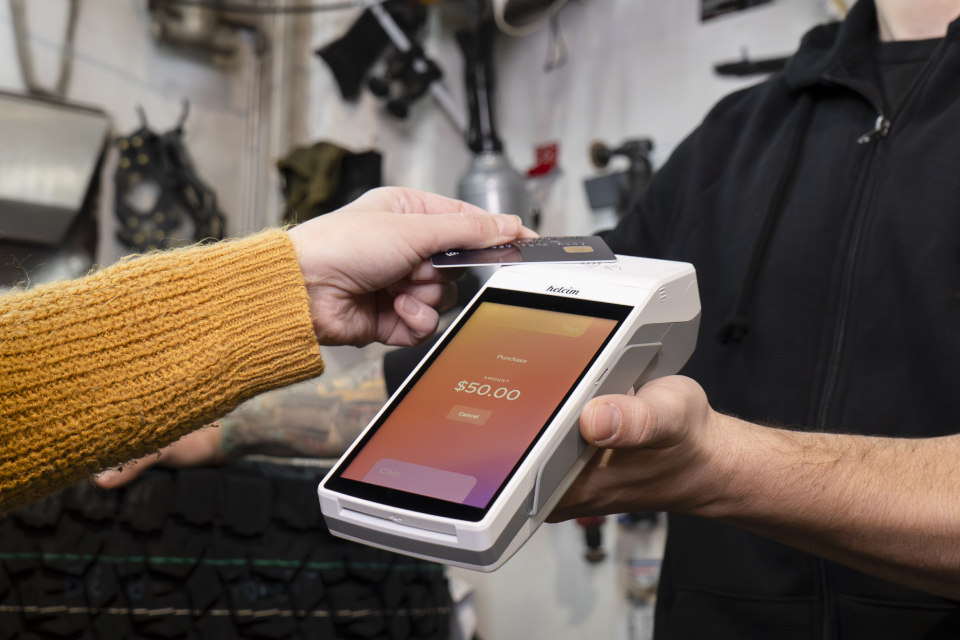
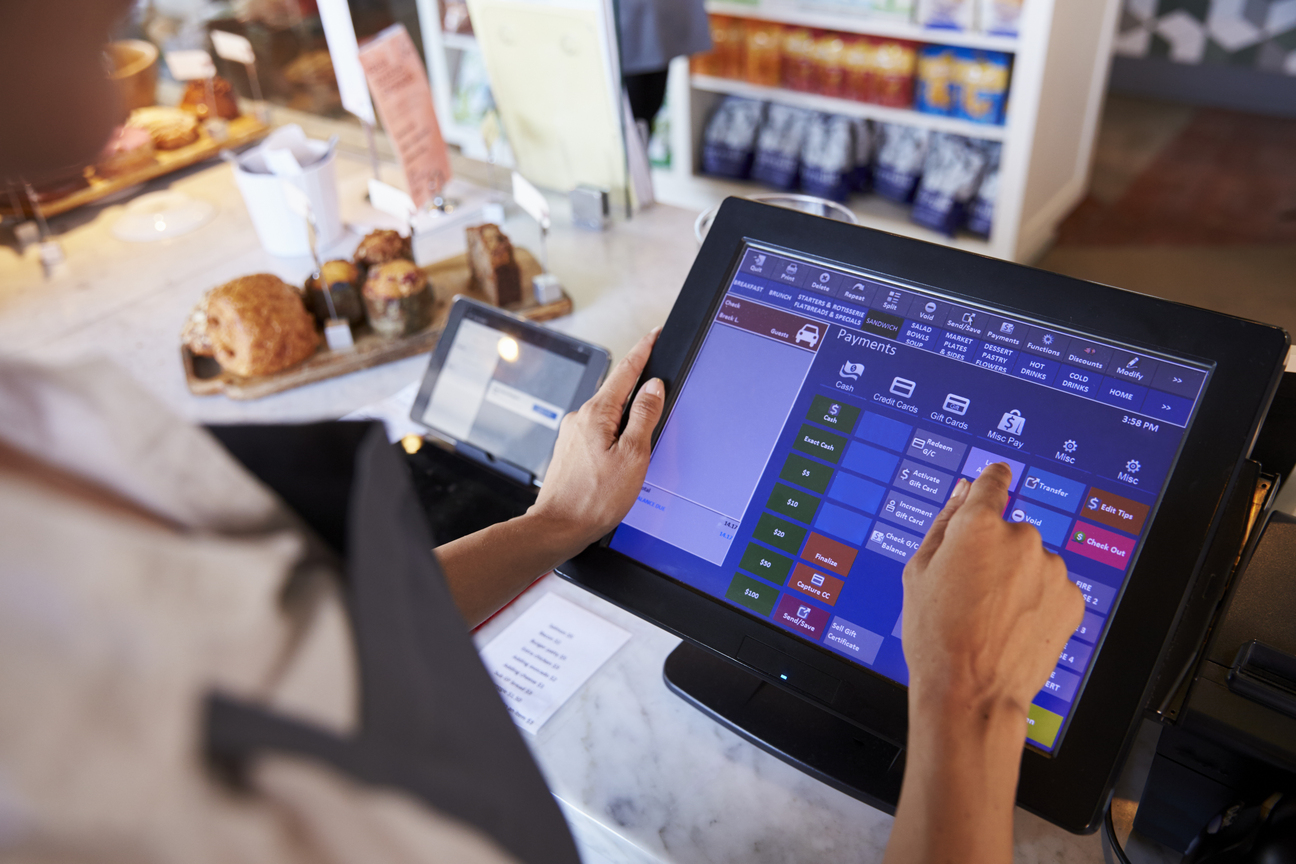
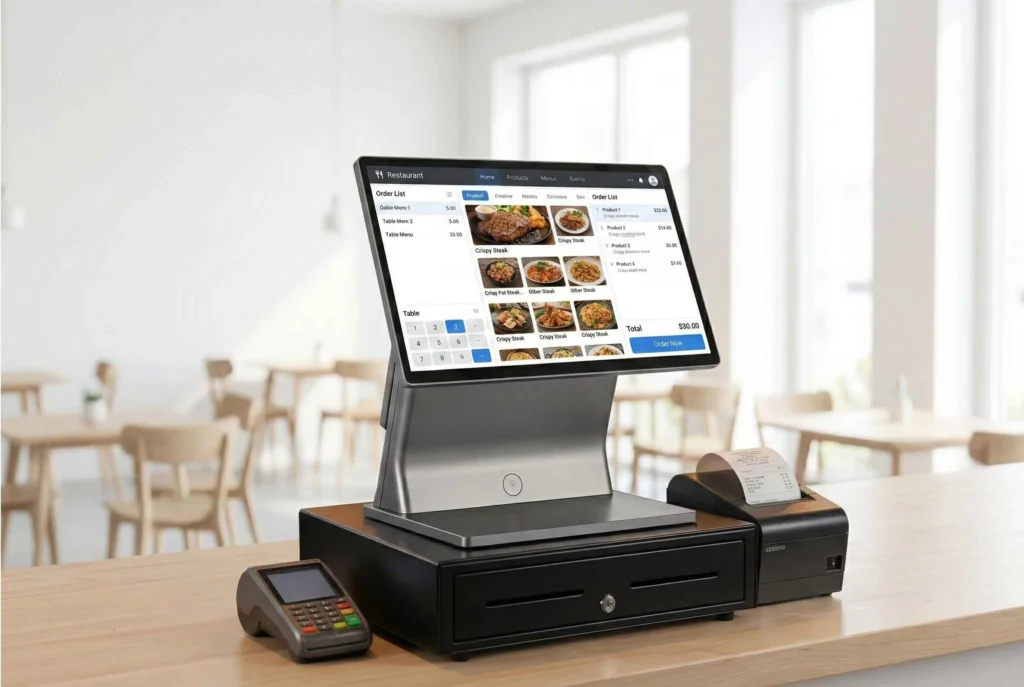
At its core, a POS system simplifies the checkout process. Whether it’s scanning items in a retail store or processing orders in a restaurant, POS systems ensure that transactions are fast, accurate, and seamless. This reduces long queues, minimizes human errors, and enhances the overall customer experience. In restaurants, orders can be directly sent to the kitchen, eliminating miscommunication and speeding up service.
Efficient Inventory Management
Managing inventory manually can be time-consuming and prone to errors. POS systems automate inventory tracking by updating stock levels in real time with every sale. Retailers can easily monitor which products are selling fast and which are not, while restaurant owners can track ingredient usage and reduce wastage. This level of control helps businesses maintain optimal stock levels and avoid both overstocking and stockouts.
Improved Staff Productivity
POS systems significantly reduce the workload on staff by automating routine tasks. Employees no longer need to manually calculate totals, track inventory, or generate reports. This allows them to focus more on customer service and other important tasks. In restaurants, servers can take orders digitally, reducing mistakes and improving table turnover rates. For retail staff, faster checkouts mean serving more customers in less time.
Real-Time Reporting and Insights
One of the biggest advantages of modern POS systems is access to real-time data. Business owners can instantly view sales reports, track revenue, and analyze customer behavior. These insights are crucial for making informed decisions. For example, retailers can identify peak shopping hours and popular products, while restaurant owners can determine best-selling menu items and adjust their offerings accordingly.
Better Customer Experience
A streamlined operation directly impacts customer satisfaction. Faster billing, accurate orders, and personalized service all contribute to a better customer experience. Many POS systems also include customer relationship management (CRM) features, allowing businesses to store customer data, track purchase history, and offer personalized promotions. This helps build customer loyalty and encourages repeat business.
Seamless Integration with Other Systems
Modern POS systems can integrate with various business tools such as accounting software, online ordering platforms, and payment gateways. This integration eliminates the need for multiple systems and reduces manual data entry. For restaurants, this means smoother coordination between dine-in, takeaway, and delivery services. For retail businesses, it ensures consistency between in-store and online sales.
Enhanced Financial Management
Handling finances becomes much easier with a POS system. Every transaction is recorded automatically, reducing the chances of errors and fraud. Business owners can track daily sales, manage cash flow, and generate financial reports with ease. This transparency not only improves financial control but also simplifies tax preparation and compliance.
Scalability for Business Growth
As businesses grow, managing operations becomes more complex. POS systems are designed to scale with the business, making it easy to add new products, locations, or staff members. Whether it’s a small retail shop expanding into multiple outlets or a restaurant chain growing its presence, a POS system ensures smooth and consistent operations across all locations.
Conclusion
POS systems have become an essential tool for streamlining operations in both retail and dining industries. By automating processes, improving accuracy, and providing valuable insights, they help businesses operate more efficiently and deliver better customer experiences. In a competitive market, investing in a reliable POS system is no longer optional—it’s a smart move toward sustainable growth and long-term success.