Supporting Customer Feedback with POS Reporting
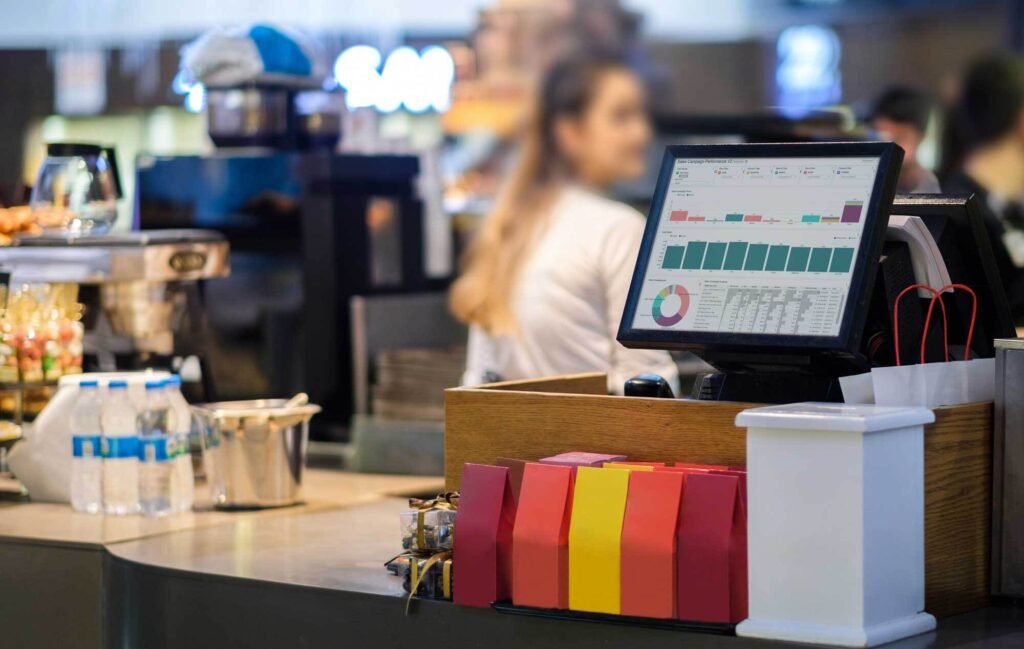
Customer feedback plays a vital role in shaping business growth and service improvement. Whether gathered through direct conversations, online reviews, or surveys, feedback offers insight into what customers value and where improvements are needed. However, feedback alone does not always present the full picture. This is where Point of Sale (POS) reporting becomes an essential companion. By providing accurate data and measurable trends, POS systems help businesses interpret customer feedback more effectively and act on it with confidence.
Turning Opinions into Actionable Insights
Customer feedback often reflects personal perceptions — such as long wait times, product availability, or pricing concerns. While valuable, these perspectives benefit from validation through data. POS reporting provides concrete information about sales patterns, peak hours, and purchasing behavior, allowing businesses to compare feedback with operational reality.
For example, if customers mention delays during checkout, POS transaction reports can reveal whether certain times consistently show slower processing. This combination of qualitative feedback and quantitative data allows businesses to identify root causes rather than relying on assumptions. The result is more informed decision-making and targeted improvements.
Understanding Customer Preferences
POS reports capture detailed information about what customers buy, how often they return, and which products perform best. These insights help businesses align their offerings with customer expectations.
When feedback indicates a desire for new products or better availability, sales reports can highlight gaps or emerging trends. Businesses can adjust inventory, pricing, or promotions based on these findings. By aligning feedback with reporting data, organizations ensure their responses reflect genuine demand rather than temporary impressions.
Improving Service Efficiency
Another advantage of POS reporting is its ability to uncover operational inefficiencies that affect customer experience. Reports tracking transaction times, staff productivity, and order accuracy reveal opportunities for improvement.
If customers frequently comment on slow service, businesses can analyze POS data to identify workflow bottlenecks or training needs. Addressing these issues not only resolves complaints but also enhances overall efficiency. In this way, POS reporting transforms feedback into measurable performance enhancements that benefit both staff and customers.
Strengthening Customer Relationships
Responding to feedback demonstrates that a business values its customers’ voices. When supported by POS data, responses become more meaningful and precise. Instead of generic replies, businesses can offer tailored solutions, loyalty rewards, or personalized offers based on purchase history and preferences.
This personalized approach builds trust and strengthens relationships. Customers are more likely to remain loyal when they feel heard and see their suggestions influencing real changes. POS reporting enables businesses to sustain this connection by tracking engagement and evaluating the impact of their responses.
Supporting Continuous Improvement
Customer expectations evolve, and maintaining satisfaction requires ongoing evaluation. POS reporting supports continuous monitoring by generating regular performance summaries and trend analyses. Businesses can track how adjustments influence customer behavior and satisfaction over time.
For instance, after implementing changes based on feedback, sales and engagement reports can indicate whether the adjustments improved outcomes. This ongoing loop of feedback, analysis, and refinement fosters a culture of continuous improvement and adaptability.
A Strategic Tool for Experience Enhancement
In modern business environments, customer experience is a primary differentiator. POS reporting serves as a strategic tool that connects customer voices with operational data, enabling balanced and effective decision-making. It transforms feedback from isolated comments into structured insights that guide planning and innovation.
By integrating feedback with reporting capabilities, businesses move beyond reactive responses and toward proactive experience management. They anticipate needs, refine service quality, and maintain alignment with customer expectations.
Conclusion
Supporting customer feedback with POS reporting creates a powerful synergy between perception and evidence. Feedback highlights concerns and opportunities, while POS data provides the clarity needed to address them effectively. Together, they enable businesses to enhance service, strengthen relationships, and adapt confidently to changing expectations.