The Experience Economy and POS System Evolution
In today’s competitive marketplace, businesses are no longer judged solely by the products they sell or the services they offer. Instead, customers increasingly value how they feel during every interaction — from browsing to checkout. This shift toward prioritizing memorable interactions is often described as the “experience economy,” where customer perception and satisfaction drive loyalty and long-term growth. At the center of this transformation is the evolution of Point of Sale (POS) systems, which have moved far beyond their original purpose of processing transactions.
Understanding the Experience Economy
The experience economy emphasizes engagement, personalization, and convenience. Customers expect businesses to deliver smooth, enjoyable, and efficient interactions across all touchpoints. Whether dining in a restaurant, shopping in a retail store, or visiting a service provider, people want experiences that are tailored, fast, and frictionless.
Businesses that succeed in this environment recognize that customer experience is not limited to marketing or customer support — it extends to operational tools, including payment systems. The checkout moment, once viewed as a simple conclusion to a sale, is now a critical opportunity to reinforce satisfaction and loyalty.
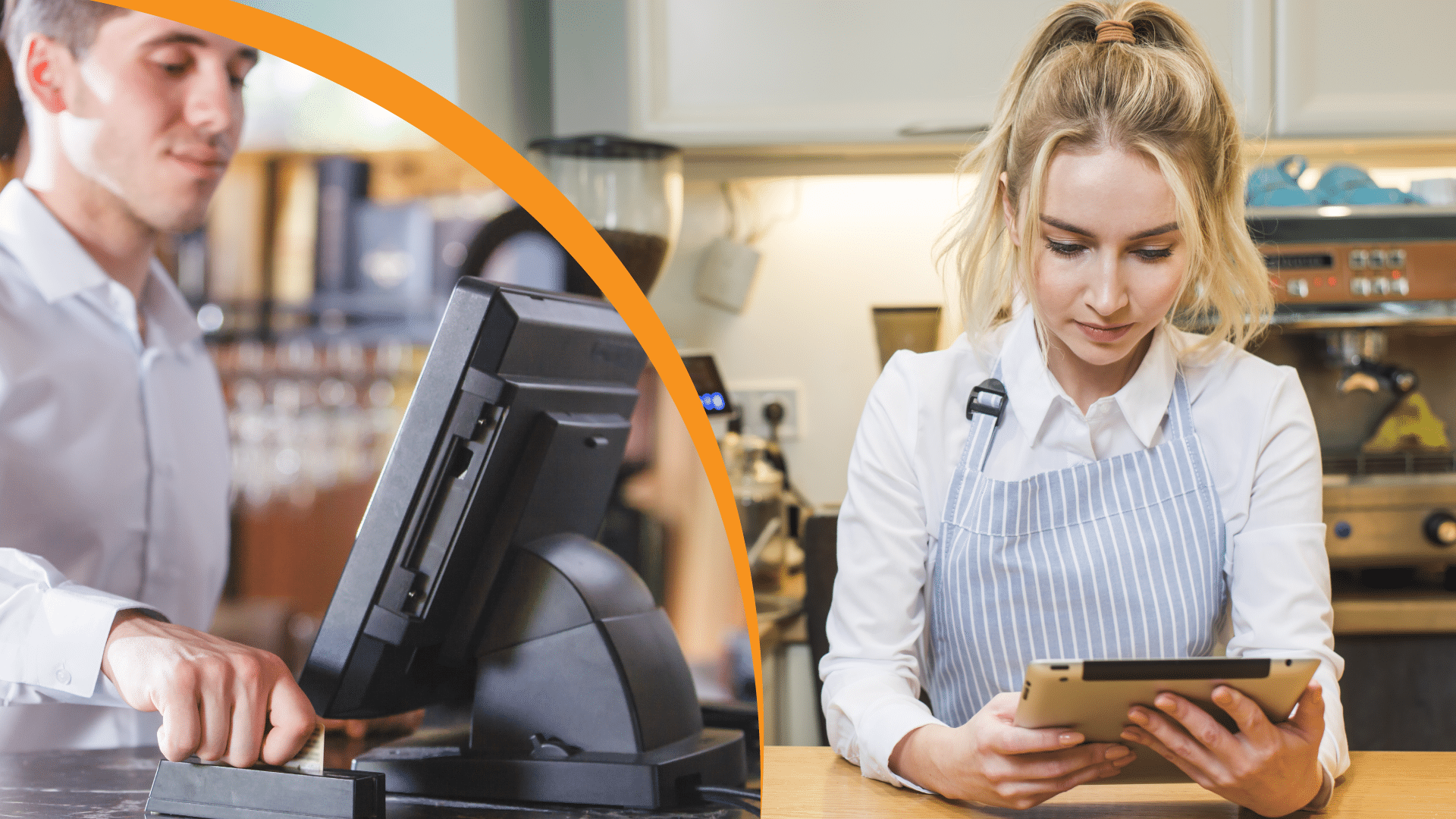
From Cash Registers to Smart POS
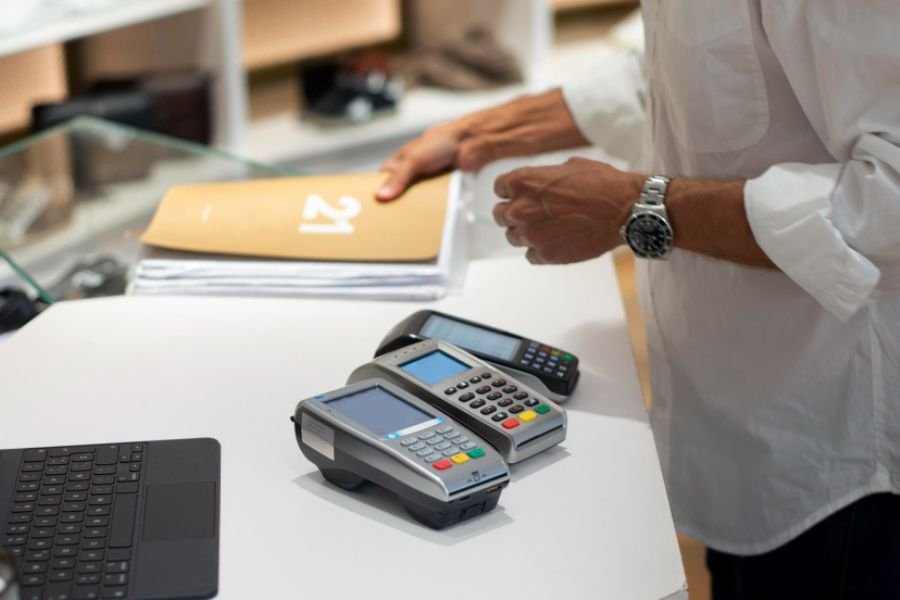
Traditional POS systems functioned primarily as digital cash registers, handling billing and storing transaction records. While functional, they offered little support for enhancing customer engagement.
Modern POS solutions, however, are intelligent platforms designed to improve both business efficiency and customer interaction. They integrate inventory management, customer relationship data, analytics, and payment flexibility into one interface. This transformation reflects a shift in purpose — from merely completing transactions to shaping customer experiences.
Speed and Convenience as Experience Drivers
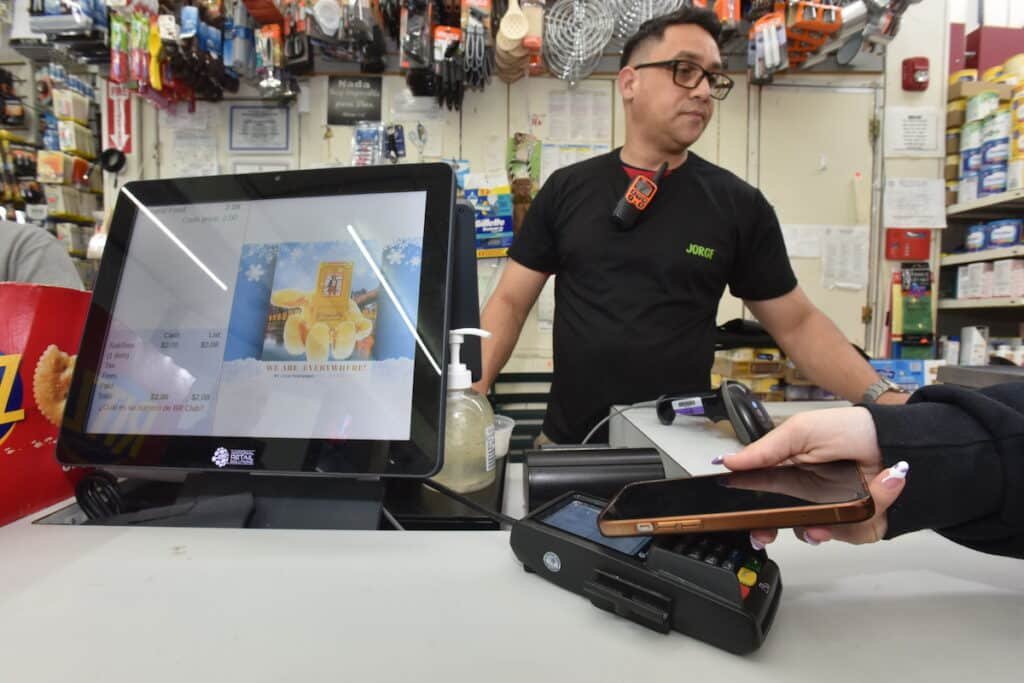
One of the most visible contributions of advanced POS systems is speed. Faster checkouts, mobile payments, and contactless options reduce waiting time and frustration. In the experience economy, time is a valuable currency, and minimizing delays can significantly influence customer satisfaction.
Cloud-based POS systems also enable mobility, allowing staff to process payments anywhere in a store or venue. This creates smoother service flows and eliminates rigid queues, contributing to a more relaxed and enjoyable environment.
Personalization Through Data
Experience-focused businesses aim to treat customers as individuals rather than anonymous buyers. Modern POS systems collect and analyze purchasing patterns, enabling personalized offers, loyalty rewards, and targeted recommendations.
This data-driven approach allows businesses to anticipate needs and deliver relevant experiences. When customers feel recognized and valued, their connection to the brand strengthens. The POS system thus becomes not just a transactional tool but a bridge to deeper relationships.
Integration Across Channels
Another hallmark of the experience economy is consistency across physical and digital channels. Customers may browse online, purchase in-store, or return items through multiple platforms. Advanced POS systems support omnichannel integration, ensuring seamless transitions between these interactions.
Unified records and synchronized data ensure that customers receive the same level of service regardless of how they engage. This consistency reduces friction and enhances trust — key elements in shaping positive experiences.
Insights That Improve Service
Beyond real-time interaction, POS analytics provide actionable insights into customer behavior and preferences. Businesses can refine layouts, optimize staffing, adjust pricing, or redesign promotions based on accurate data.
These informed decisions contribute to better service quality and more engaging environments. In this way, the POS system plays a strategic role in shaping not only immediate transactions but also long-term experience design.
Looking Ahead
As technology continues to evolve, POS systems are expected to incorporate artificial intelligence, deeper predictive analytics, and enhanced automation. These advancements will further align operational tools with experience-driven strategies.
Ultimately, the evolution of POS systems reflects the broader transformation of commerce itself. In the experience economy, success depends on how effectively businesses blend efficiency with emotional connection. By supporting convenience, personalization, and insight, modern POS solutions help organizations create meaningful interactions that go far beyond the point of sale — shaping impressions that last well after the transaction ends.