The Flexibility and Scalability of POS Solutions

Businesses today operate in an environment where adaptability is essential. Customer expectations evolve, market conditions shift, and technology continues to reshape the way transactions are handled. In this dynamic landscape, Point of Sale (POS) solutions have become more than tools for processing payments — they serve as flexible and scalable platforms that grow alongside businesses. Their ability to adjust to changing needs makes them an essential investment for organizations of all sizes.
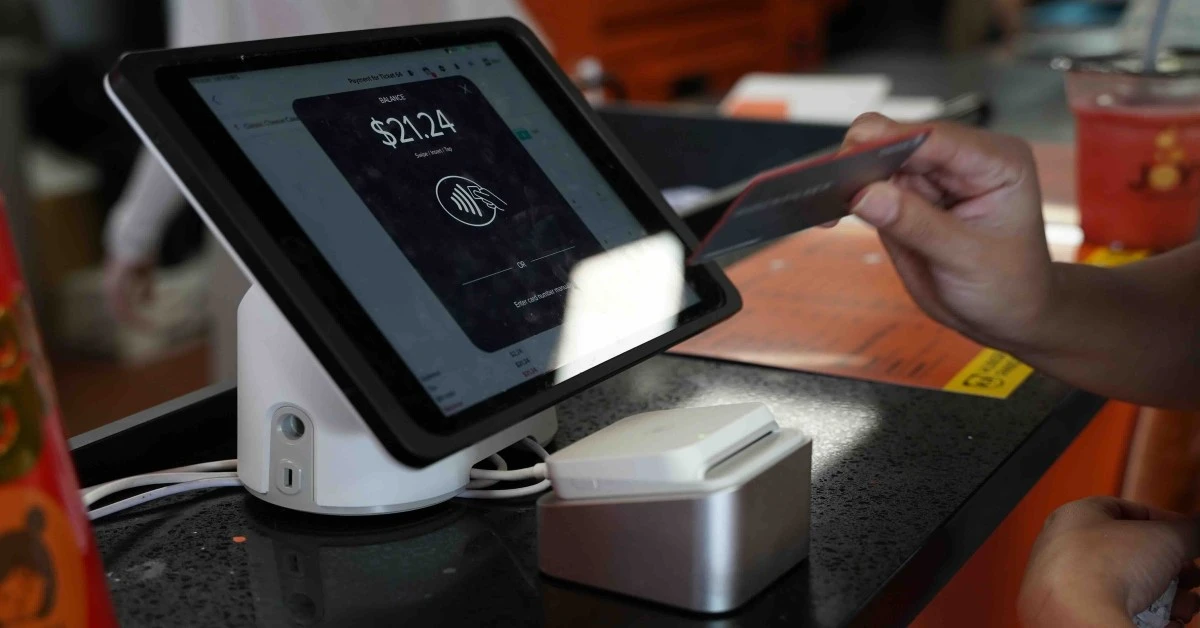
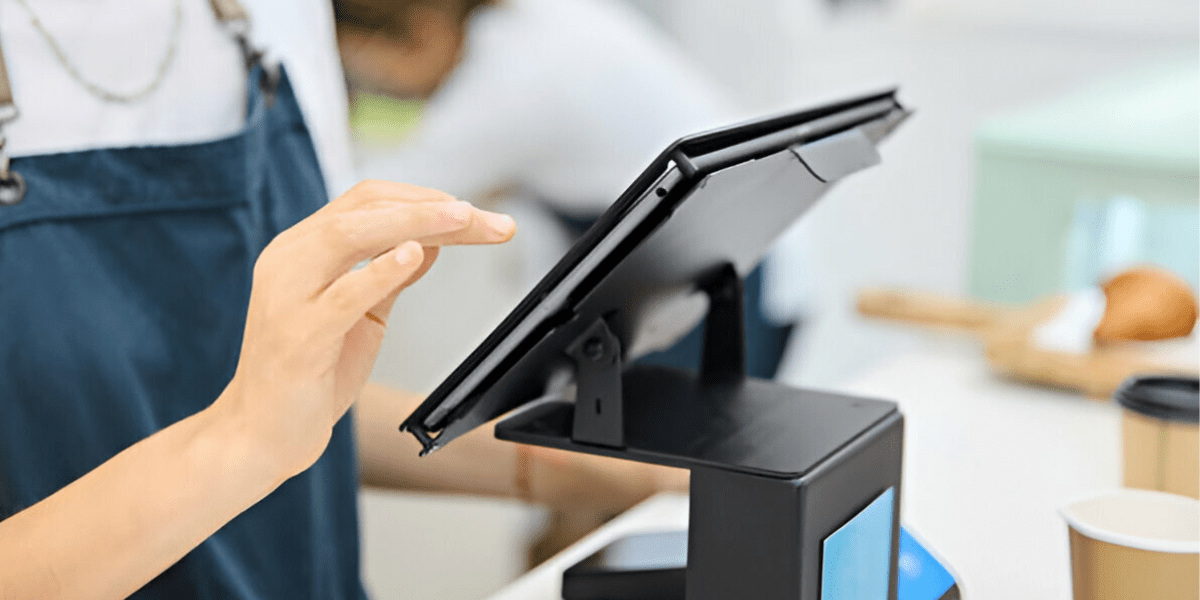
Flexibility is one of the defining characteristics of modern POS systems. Unlike traditional setups that required fixed hardware and complex configurations, contemporary solutions are designed to work across multiple devices and environments. Businesses can run their POS on tablets, smartphones, or desktop systems, allowing transactions to take place anywhere — from the counter to the shop floor or even at pop-up events. This mobility enhances customer service by reducing wait times and creating smoother, more convenient purchasing experiences.
Customization also contributes significantly to POS flexibility. Businesses across industries have unique workflows, product catalogs, and service models. Modern systems offer configurable features that allow owners to tailor settings according to their operations. Whether adjusting menu layouts in restaurants, organizing product categories in retail stores, or integrating appointment scheduling for service providers, POS platforms adapt rather than forcing businesses to conform to rigid structures. This adaptability ensures that technology supports operational efficiency rather than hindering it.
Integration capabilities further strengthen flexibility. POS systems often connect seamlessly with accounting software, e-commerce platforms, inventory management tools, and customer relationship systems. This interconnected environment eliminates data silos and creates a unified ecosystem where information flows smoothly. Businesses benefit from reduced manual work, improved accuracy, and a clearer view of their operations. Such integration allows companies to expand their digital presence and adopt new tools without replacing their core transaction infrastructure.
Scalability, on the other hand, ensures that POS solutions remain relevant as businesses grow. Expansion often brings increased transaction volumes, additional product lines, or new locations. A scalable POS system accommodates these developments without requiring major system overhauls. Owners can add users, registers, or features as needed, ensuring that operational capacity keeps pace with growth. This incremental approach reduces costs and avoids disruptions that might arise from transitioning between incompatible systems.
Cloud-based POS platforms are particularly valuable for scalability. By storing data securely online, these systems provide centralized access across multiple locations. Business leaders can monitor performance, manage inventory, and review reports regardless of where they are based. As new branches open, they can be connected to the same system, maintaining consistency and transparency throughout the organization. This structure simplifies expansion and supports strategic decision-making on a larger scale.
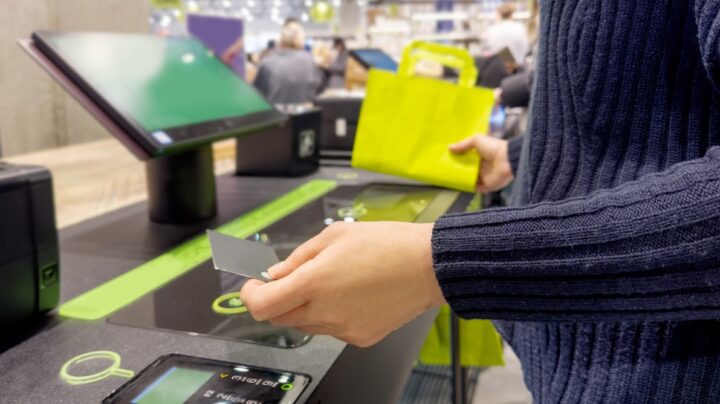
Another advantage of scalable POS solutions lies in their ability to accommodate innovation. Businesses constantly explore new services, payment options, or sales channels. Flexible systems can integrate digital wallets, contactless payments, or online ordering features as customer expectations evolve. This readiness for change ensures businesses remain competitive without undergoing complete technological replacements.
Employee management also benefits from flexibility and scalability. As teams grow, POS platforms can introduce role-based permissions, training tools, and performance tracking features. Managers maintain control while empowering staff with the tools needed to work efficiently. This structured adaptability promotes productivity and ensures smooth coordination across expanding teams.
Ultimately, the flexibility and scalability of POS solutions contribute to long-term resilience. Businesses no longer have to worry about outgrowing their technology or being restricted by outdated systems. Instead, they gain a platform that evolves alongside their ambitions, supporting innovation, efficiency, and expansion.
In a world where change is constant, choosing adaptable technology is crucial. POS solutions that offer flexibility and scalability empower businesses to navigate challenges confidently and pursue growth opportunities without hesitation. By investing in systems designed to evolve, organizations secure a foundation that not only supports current operations but also prepares them for the future.