The Future of Retail: One Business, Two Worlds
In the past, business owners treated their physical store and their website as two separate things. You had one pile of stock for the shop and another for the internet. You had one list of customers who walked in and another list of people who clicked “buy.”
In 2025, that “gap” is disappearing. Customers today don’t care about your internal systems; they just want a smooth experience. To grow your business, you need to bridge the gap between your online and offline worlds.
1. Real-Time Inventory
The most common problem with separate systems is the “phantom” product. This happens when a customer buys the last item in your store, but your website doesn’t know it’s gone. Ten minutes later, someone online buys that same item. Now, you have to send a “sorry” email and cancel the order.
A modern POS system creates one single inventory. Whether an item sells on your website or at your front counter, the numbers update everywhere instantly. This prevents frustrated customers and ensures you never miss a sale.
2. Knowing Your Customer
When your systems are connected, you recognize your customers no matter where they shop. Imagine a customer who buys a specific type of coffee from your website every month. When they finally walk into your physical cafe, your staff can see that history on the POS screen.
Saying, “Hey, welcome in! Buying more of your usual dark roast today?” creates a level of connection that keeps people coming back. It turns a simple transaction into a relationship.
3. Shopping Without Friction
Modern growth comes from making it easy for people to give you money. This means offering flexible options like:
- Buy Online, Pick Up In-Store (BOPIS): Customers save on shipping, and you get them through your doors (where they usually buy something extra).
- Easy Returns: If someone buys a shirt online and it doesn’t fit, they should be able to drop it off at your store for an instant refund or exchange.
If the return process is hard, they won’t buy from you again. If it’s easy, they’ll trust you forever.
4. Better Data, Better Decisions
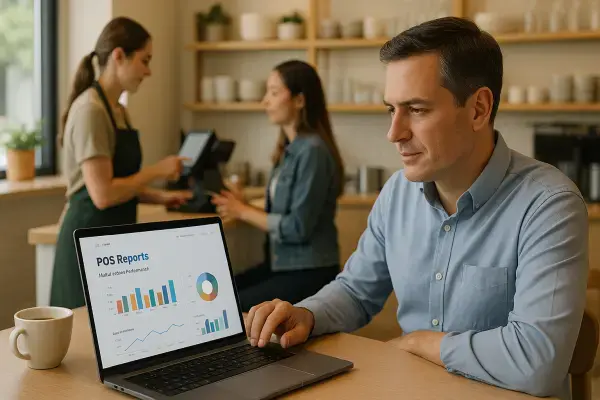
When you bridge the gap, your sales reports tell the whole story. You can see if a Facebook ad drove people to your website or if it actually sent them into your physical store. This data allows you to spend your marketing money on things that actually work, rather than guessing.
Summary
Bridging the gap isn’t about fancy technology; it’s about consistency. When your online store and your physical store talk to each other, you save time, reduce mistakes, and make your customers happier. In a world where everyone is busy, being the “easiest” place to shop is the best way to grow.