The Growth Power of Unified POS Sales and Performance Reports
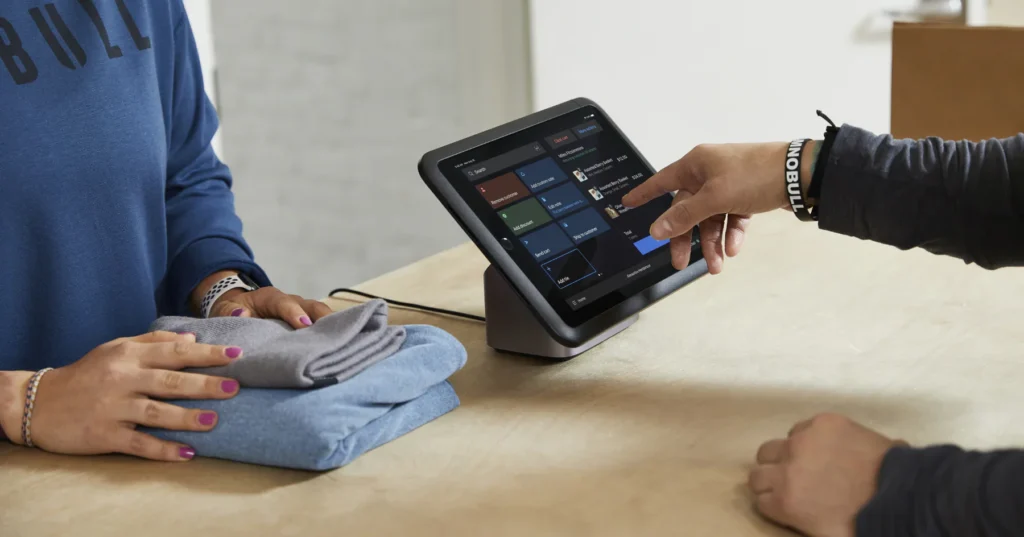
In today’s competitive business environment, growth depends on clarity, accuracy, and timely decision-making. Businesses generate large volumes of data every day, but data alone does not drive success. The real value lies in how that data is organized and analyzed. Unified POS sales and performance reports bring together transaction details, operational metrics, and financial insights into a single, cohesive view, unlocking powerful opportunities for sustainable business growth.
Understanding Unified POS Reporting
Unified POS reporting combines sales data with performance metrics such as staff efficiency, product movement, and time-based trends. Instead of viewing separate reports for revenue, inventory, or operations, businesses gain a consolidated overview. This integration eliminates data silos and ensures that every department works with the same accurate information.
When sales and performance data are aligned, businesses can clearly see how daily operations influence revenue. This connection allows owners and managers to understand not just what is selling, but why it is selling and under what conditions.
Creating a Clear Picture of Business Performance
One of the strongest advantages of unified POS reports is complete visibility. Sales figures alone may show revenue growth, but performance metrics reveal the effort and efficiency behind that growth. Unified reporting highlights peak hours, high-performing products, and staff productivity in relation to sales outcomes.
With this clarity, businesses can identify strengths and weaknesses across operations. For example, a product may generate high sales but require excessive labor or frequent restocking. Unified reports reveal these details, enabling balanced decisions that support both profitability and efficiency.
Driving Smarter Strategic Decisions
Growth strategies are most effective when they are based on accurate insights. Unified POS sales and performance reports provide reliable data for planning pricing strategies, promotions, and expansion. Businesses can assess which initiatives deliver measurable results and which drain resources.
By analyzing combined reports, managers can adjust operations in real time. Staffing levels can be optimized during peak sales periods, and underperforming areas can be addressed quickly. This proactive approach minimizes risks and maximizes returns on business initiatives.
Improving Accountability and Team Performance
Unified reporting also strengthens accountability across teams. When sales results are directly linked to staff performance metrics, it becomes easier to set realistic goals and evaluate outcomes. Employees gain a clear understanding of how their actions impact overall business success.
Performance-based insights encourage data-driven coaching and training. Managers can recognize top performers, identify skill gaps, and allocate responsibilities more effectively. Over time, this leads to improved productivity, better service quality, and stronger customer relationships.
Supporting Consistent Financial Growth
Financial growth relies on accurate and timely information. Unified POS reports provide a reliable foundation for revenue tracking, cost control, and profit analysis. Businesses can monitor sales trends alongside expenses and operational efficiency, ensuring growth remains sustainable.
Access to consolidated data also improves forecasting and budgeting. With historical sales and performance information in one place, businesses can predict future demand more accurately. This reduces financial uncertainty and supports confident long-term planning.
Enhancing Scalability and Expansion Readiness
As businesses grow, complexity increases. Managing multiple locations, larger inventories, and bigger teams becomes challenging without centralized reporting. Unified POS sales and performance reports simplify this complexity by providing standardized insights across the organization.
For expanding businesses, unified reporting ensures consistency. Decision-makers can compare performance across locations, identify best practices, and replicate successful strategies. This scalability is essential for growth without operational chaos.
Conclusion
Unified POS sales and performance reports transform scattered data into a powerful growth engine. By connecting revenue with operational performance, businesses gain a deeper understanding of what drives success. These insights support smarter decisions, stronger accountability, and sustainable financial growth. In a data-driven business landscape, unified POS reporting is not just a convenience—it is a strategic advantage that fuels long-term success.