The Impact of POS Systems on Revenue Growth and Stability
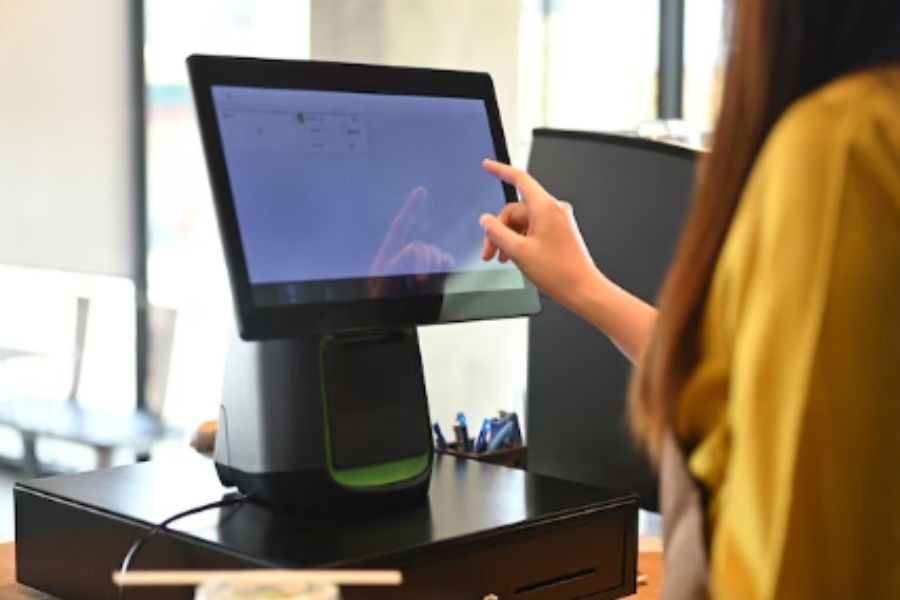
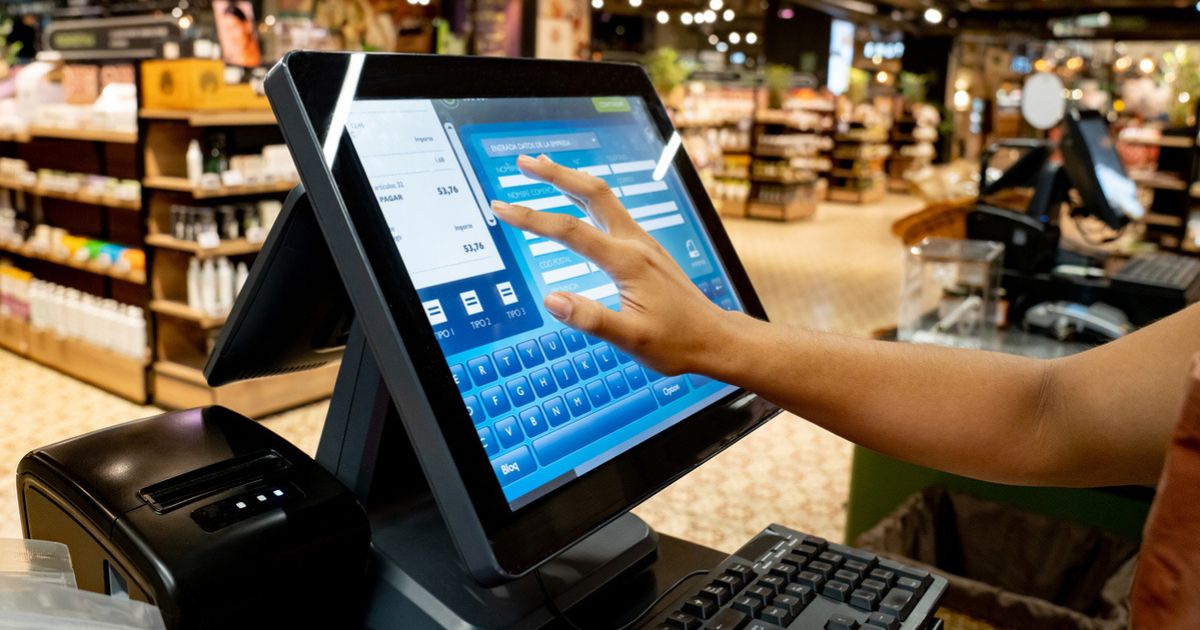
In today’s competitive retail and restaurant landscape, achieving steady revenue growth while maintaining financial stability is a constant challenge. As businesses expand, managing sales, inventory, customers, and staff becomes more complex. Point of Sale (POS) systems have evolved into powerful business tools that go far beyond billing. By improving accuracy, efficiency, and decision-making, POS systems play a major role in driving revenue growth and ensuring long-term stability.
Faster and More Accurate Sales Processing
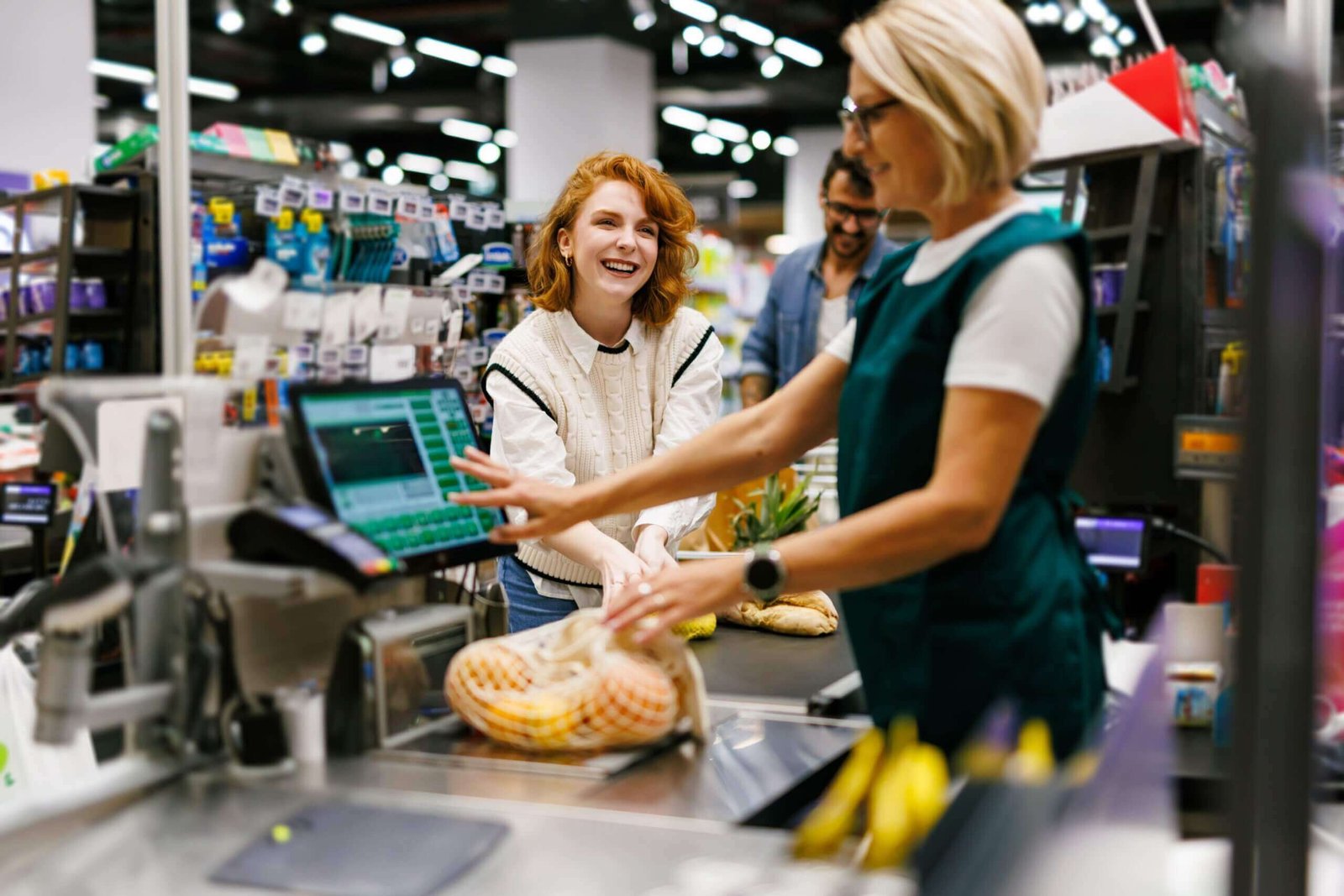
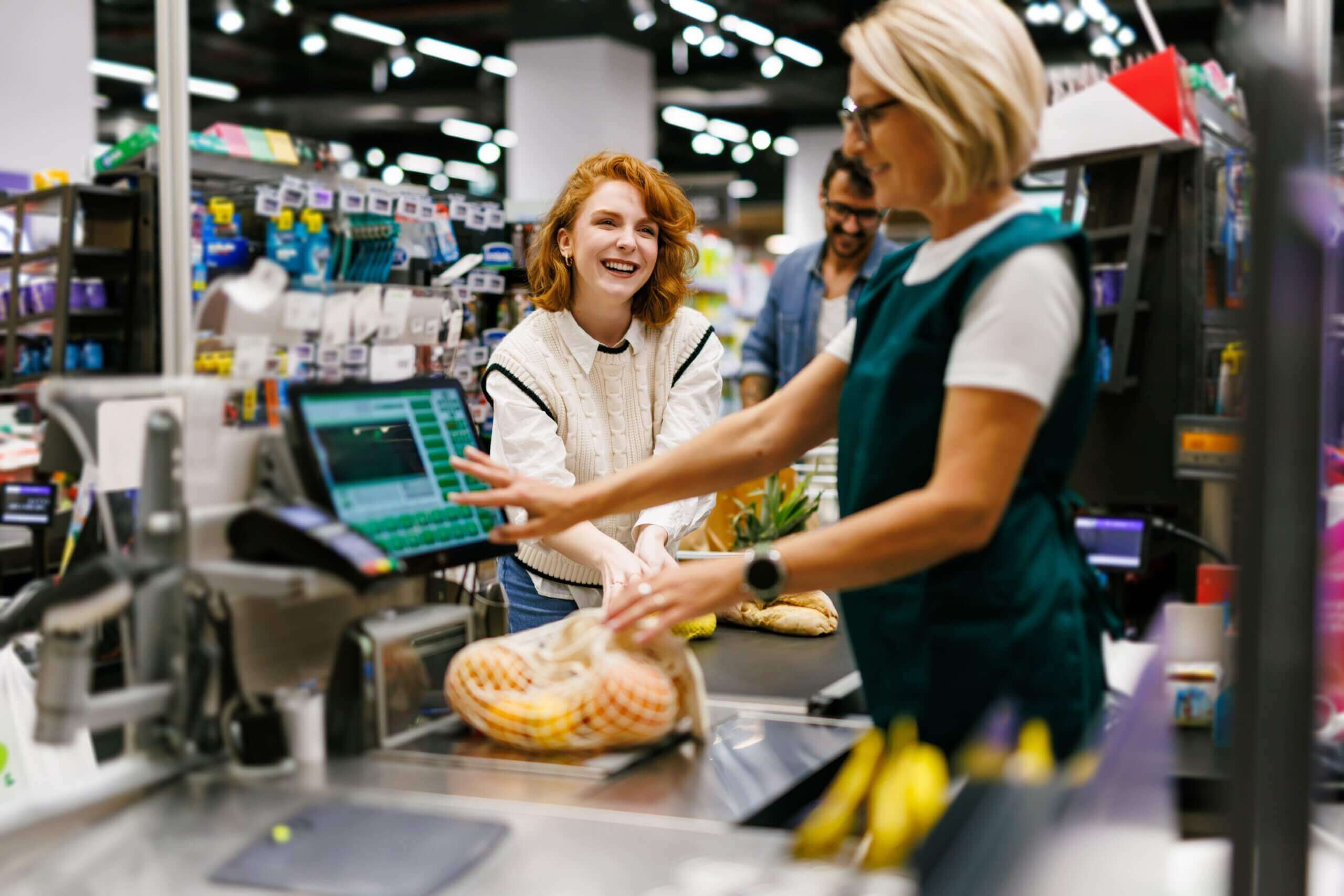
Revenue growth begins at the point of transaction. Slow checkouts, billing errors, or system downtime can lead to lost sales and frustrated customers. Modern POS systems process transactions quickly and accurately, reducing mistakes that affect revenue. Faster billing allows businesses to serve more customers during peak hours, increasing daily sales without additional operational strain. Accurate pricing and tax calculations also prevent revenue leakage and protect profit margins.
Better Inventory Control Protects Revenue
Poor inventory management is one of the biggest threats to stable revenue. Overstocking ties up cash flow, while understocking leads to missed sales. POS systems track inventory in real time, automatically updating stock levels with every sale. Detailed inventory reports highlight best-selling items, slow-moving products, and seasonal trends. With this information, businesses can maintain optimal stock levels, reduce waste, and ensure popular products are always available, directly supporting consistent revenue.
Data-Driven Strategies for Sustainable Growth
Revenue growth is strongest when driven by data rather than guesswork. POS systems provide detailed sales reports, profit analysis, and customer insights that help business owners make informed decisions. Businesses can identify peak sales hours, top-performing products, and high-value customers. This data allows owners to focus on profitable offerings, optimize pricing strategies, and plan targeted promotions that boost revenue while minimizing risk.
Improved Customer Retention and Lifetime Value
Attracting new customers is important, but retaining existing ones is essential for stable revenue. POS systems store customer purchase history and preferences, enabling personalized service and targeted marketing. Loyalty programs, discounts, and reward points can be managed directly through the POS, encouraging repeat visits. A consistent and personalized experience builds customer trust, increases average spend, and strengthens long-term revenue stability.
Enhanced Financial Visibility and Control
Financial stability depends on having clear visibility into cash flow and performance. POS systems generate real-time sales summaries, daily reports, and financial breakdowns that give business owners full control over their operations. This transparency helps detect issues early, such as declining sales or rising costs, allowing timely corrective action. With accurate reporting, businesses can manage budgets more effectively and maintain steady financial health.
Supporting Multi-Channel and Multi-Location Sales
As businesses grow, they often expand into multiple locations or sales channels such as online ordering and delivery. Managing revenue across different platforms can be challenging without the right tools. POS systems consolidate all sales data into one system, providing a unified view of revenue performance. This integration ensures accurate reporting, consistent pricing, and smoother operations, all of which contribute to stable and scalable revenue growth.
Reducing Operational Losses and Errors
Operational inefficiencies, employee errors, and manual processes can quietly drain revenue. POS systems reduce these risks by automating tasks such as billing, stock updates, and reporting. User-level access controls and transaction tracking improve accountability and reduce the chances of fraud or mistakes. By minimizing losses, businesses protect their revenue and create a more stable financial foundation.
Scalability That Supports Long-Term Stability
Modern POS systems are built to grow with the business. Cloud-based POS solutions allow businesses to add new features, terminals, or locations without major disruptions. This scalability ensures that systems remain efficient and reliable as operations expand. A stable POS infrastructure supports consistent revenue growth without the instability caused by outdated or manual systems.
Conclusion
POS systems have a significant impact on both revenue growth and financial stability. By speeding up sales, improving inventory control, enabling data-driven decisions, and strengthening customer relationships, POS systems help businesses grow smarter and more securely. For retail stores and restaurants aiming to increase revenue while maintaining control, investing in a robust POS system is a strategic move toward long-term success.