The Impact of POS Technology on Business Efficiency
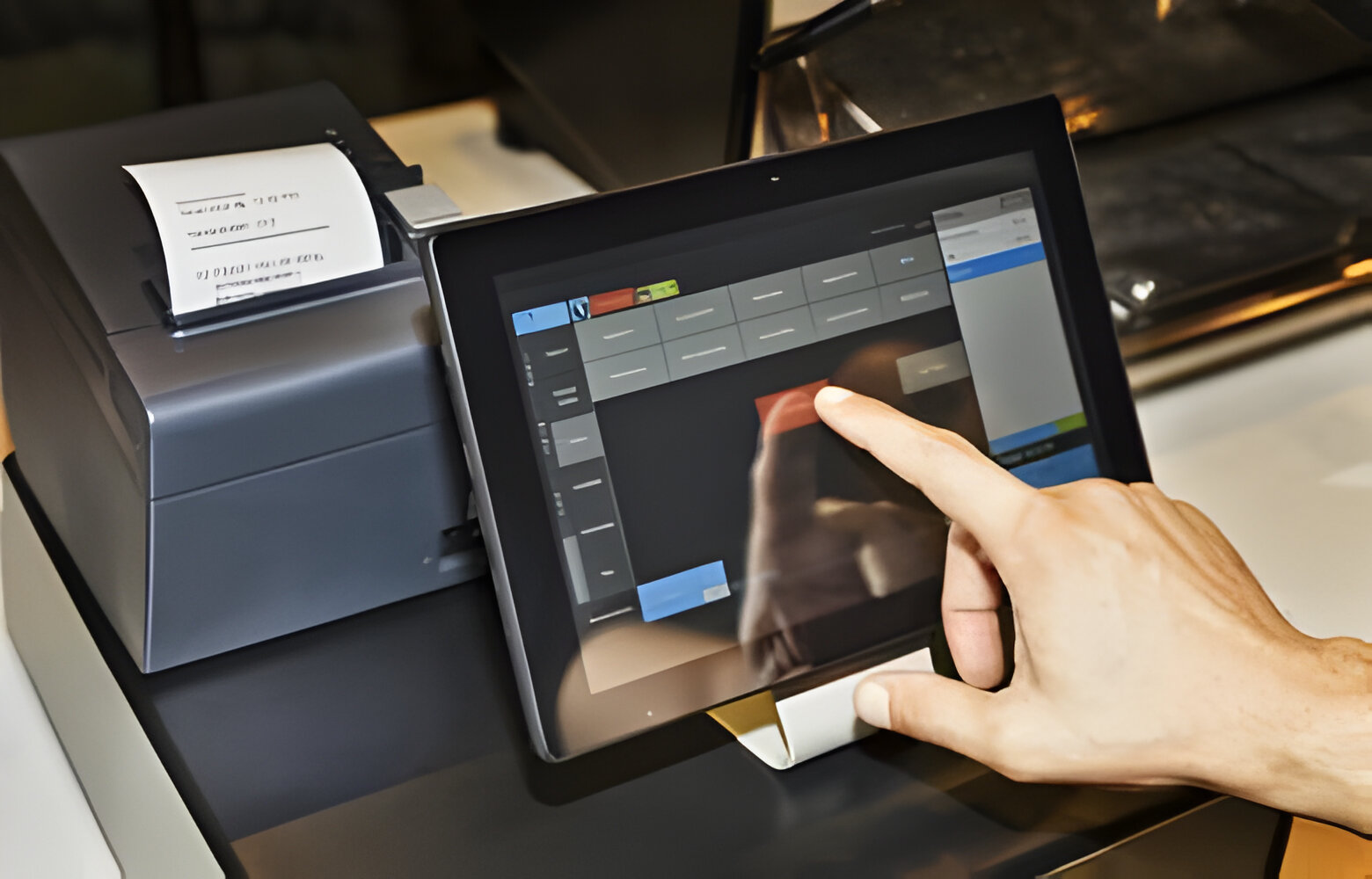
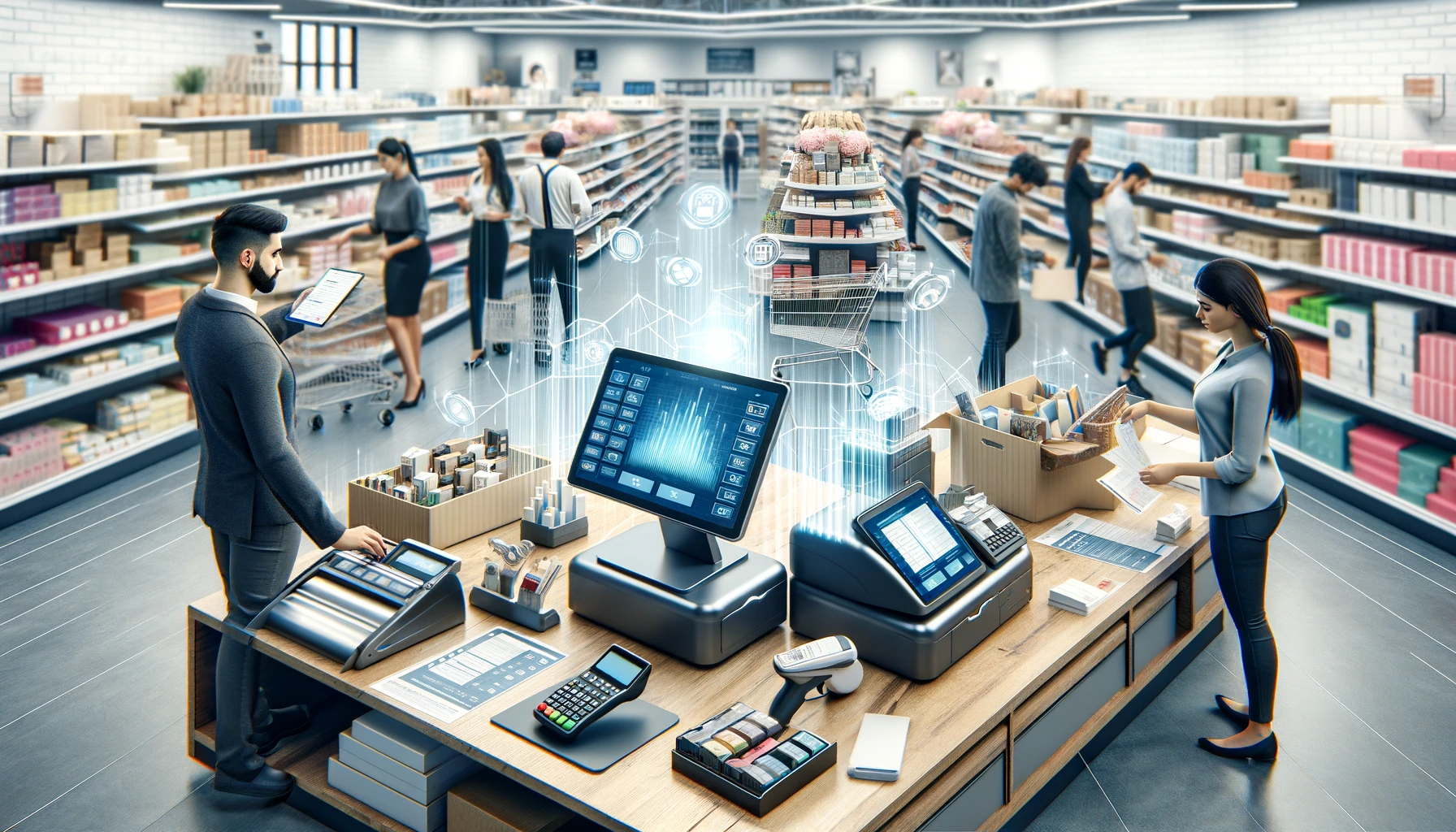
Point of Sale (POS) technology has become one of the most powerful tools for modern businesses. What once served only as a simple billing system has now evolved into a complete business management platform. From handling sales and inventory to improving customer experience and decision-making, POS systems play a major role in increasing efficiency across every department.
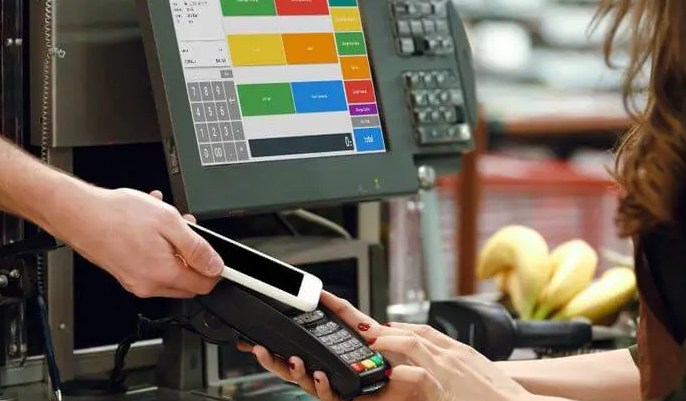
One of the biggest advantages of POS technology is speed. Traditional manual billing or outdated systems slow down the checkout process and create long queues. A modern POS system processes transactions quickly, accepts multiple payment methods, and instantly updates records. This faster checkout not only improves customer satisfaction but also allows staff to serve more customers in less time, increasing daily sales without adding extra labor.
Accuracy is another major factor in business efficiency. Manual entries often lead to pricing mistakes, missing items, or wrong calculations. POS systems eliminate these problems by automating pricing, tax calculations, discounts, and totals. Every transaction is recorded correctly, which reduces financial errors and prevents disputes with customers. When data is accurate, businesses can trust their reports and make smarter operational decisions.
Inventory management becomes far easier with POS technology. Each sale automatically reduces stock levels, giving real-time visibility into what is selling and what is not. This helps businesses avoid running out of popular items or overstocking slow-moving products. With accurate stock data, managers can place orders on time, reduce waste, and keep cash flow balanced. This level of control would be extremely difficult to achieve using manual tracking.
POS systems also improve employee productivity. Staff no longer need to write bills, check prices, or calculate totals by hand. Everything is handled by the system, allowing employees to focus on customer service. POS software can also track staff performance, showing how many sales each person makes, how long transactions take, and where improvements are needed. This data helps managers train their teams better and reward top performers, creating a more motivated workforce.
Another key area where POS technology boosts efficiency is reporting. Instead of spending hours compiling sales data, POS systems generate reports instantly. Business owners can see daily revenue, best-selling items, peak hours, and profit margins in just a few clicks. These insights help in planning promotions, adjusting prices, and making inventory decisions. With real-time reporting, businesses can respond quickly to market changes rather than relying on outdated information.
Customer experience also benefits greatly from POS technology. Faster service, accurate billing, and multiple payment options make shopping more convenient. Many POS systems also support loyalty programs, digital receipts, and customer profiles. This allows businesses to offer personalized deals, track customer preferences, and build long-term relationships. When customers feel valued and enjoy smooth service, they are more likely to return, which improves overall business performance.
POS technology also supports better financial control. Every sale, refund, and expense is recorded in one system, making it easier to track cash flow and profitability. Business owners can quickly spot unusual transactions or losses and take action before small problems become big ones. This level of transparency helps prevent theft, reduce fraud, and keep finances healthy.
Scalability is another important benefit. As a business grows, managing multiple locations, staff, and product lines becomes more complex. POS systems are designed to grow with the business. New outlets, products, and users can be added without disrupting daily operations. This allows businesses to expand while maintaining the same level of efficiency and control.
Cloud-based POS systems take efficiency even further by allowing access from anywhere. Owners can monitor sales, inventory, and performance from their phone or laptop, even when they are not on-site. This flexibility helps business leaders stay connected and make quick decisions, keeping operations running smoothly at all times.
In today’s competitive market, efficiency is the key to success. POS technology helps businesses save time, reduce errors, control costs, and improve customer satisfaction. By automating routine tasks and providing valuable insights, POS systems turn daily operations into a well-organized and profitable workflow. For any business looking to grow and stay ahead, investing in POS technology is no longer a choice—it is a necessity.