The Power of POS Systems in Customer Data Analysis
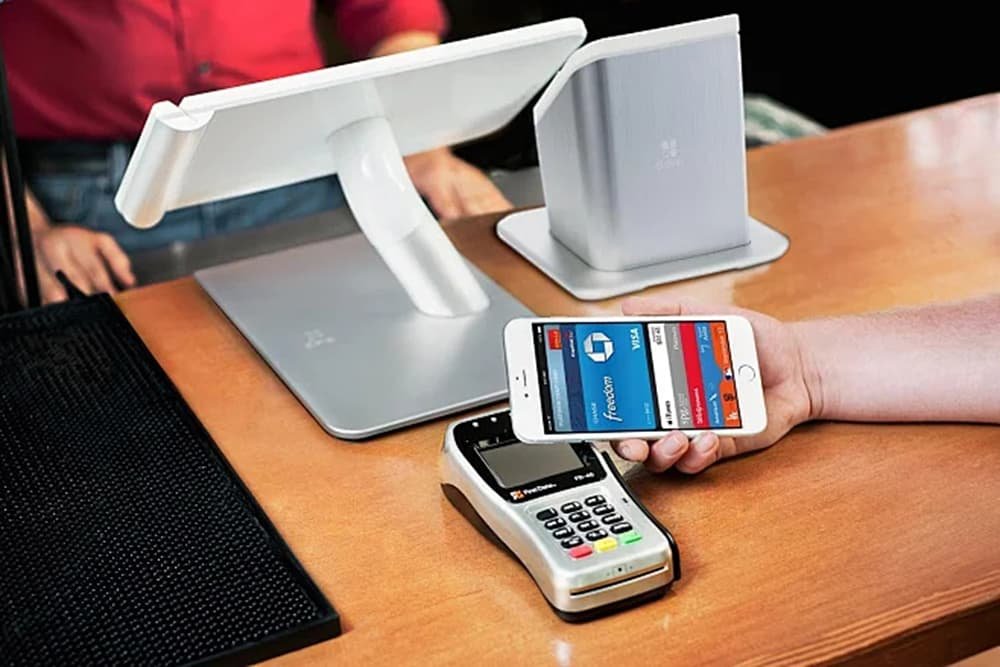
In today’s competitive business environment, understanding customers is more important than ever. Businesses that can analyze customer behavior, preferences, and buying patterns gain a strong advantage in delivering better services and increasing revenue. This is where Point of Sale (POS) systems play a powerful role. Beyond processing transactions, modern POS systems serve as valuable tools for collecting and analyzing customer data.
A POS system records every sale made in a business. Each transaction includes important details such as purchased items, payment method, purchase time, and sometimes even customer information. Over time, this data builds into a rich database that businesses can use to gain deep insights into customer behavior. Instead of relying on guesswork, businesses can make informed decisions backed by real data.
One of the key advantages of POS systems is their ability to track customer purchase history. By analyzing past transactions, businesses can identify what products customers buy most frequently. This helps in understanding popular items, seasonal trends, and customer preferences. For example, a restaurant can discover which dishes are most ordered during weekends, while a retail store can identify best-selling products during certain months.
Another important benefit is customer segmentation. POS systems allow businesses to group customers based on their purchasing behavior, frequency, and spending habits. This segmentation helps businesses create targeted marketing strategies. Instead of sending the same promotion to everyone, businesses can offer personalized deals to specific customer groups. Personalized marketing not only improves engagement but also increases the chances of repeat purchases.
POS systems also provide real-time data analysis. Business owners and managers can access reports instantly, allowing them to make quick decisions. For instance, if a product is selling faster than expected, the business can restock it immediately. Similarly, if sales are low during certain hours, businesses can introduce discounts or promotions to attract more customers. This ability to respond quickly to data insights improves overall efficiency and customer satisfaction.
Customer loyalty programs are another area where POS systems show their power. Many POS systems can track customer visits and spending, enabling businesses to reward loyal customers. By analyzing this data, businesses can identify their most valuable customers and offer them exclusive benefits. This not only strengthens customer relationships but also encourages long-term loyalty.
Additionally, POS systems help businesses understand customer behavior patterns. By analyzing data such as purchase frequency and average spending, businesses can predict future trends. For example, if customers tend to buy certain products together, businesses can create bundle offers to increase sales. These insights help in optimizing pricing strategies and improving product placement.
Accuracy is another major advantage. Manual data collection often leads to errors, but POS systems automate the entire process. This ensures that the data used for analysis is reliable and consistent. Accurate data leads to better decision-making and reduces the risk of losses caused by incorrect assumptions.
Moreover, POS systems simplify reporting. Instead of spending hours compiling reports, businesses can generate detailed customer reports with just a few clicks. These reports provide clear insights into sales performance, customer trends, and overall business growth. Easy access to such information allows businesses to focus more on strategy and less on administrative tasks.
In conclusion, POS systems are much more than just billing tools. They are powerful platforms for customer data analysis that help businesses understand their customers better, improve decision-making, and enhance overall performance. By leveraging the insights provided by POS systems, businesses can deliver personalized experiences, increase customer satisfaction, and drive long-term success.