The Role of POS Systems in Customer Reporting Efficiency
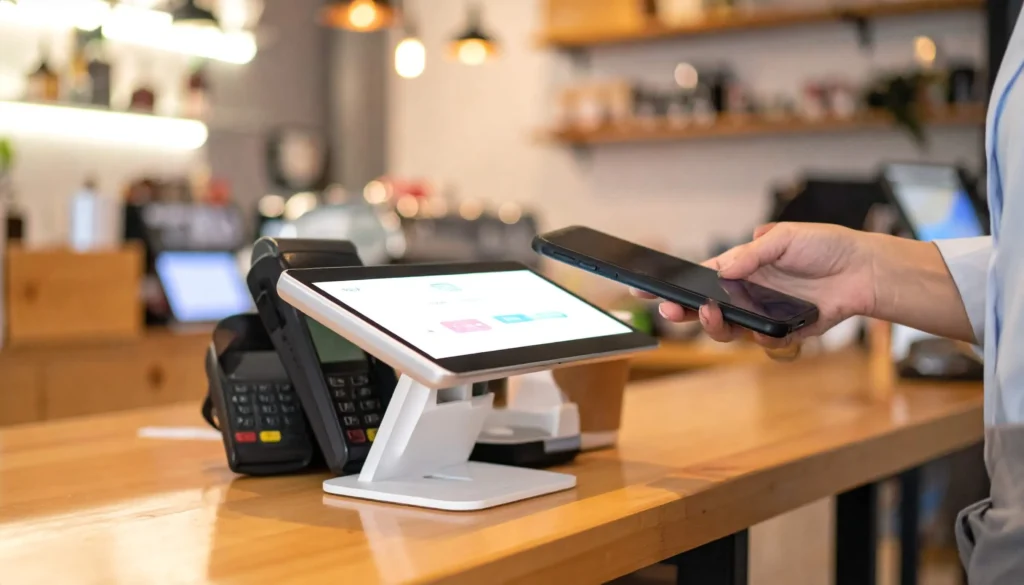
In today’s fast-paced business environment, efficiency is key to staying competitive. One area where efficiency plays a critical role is customer reporting. Businesses rely on accurate and timely customer data to make informed decisions, improve services, and build long-term relationships. This is where Point of Sale (POS) systems make a significant impact. Modern POS systems go beyond simple transactions and provide powerful tools that streamline and enhance customer reporting.
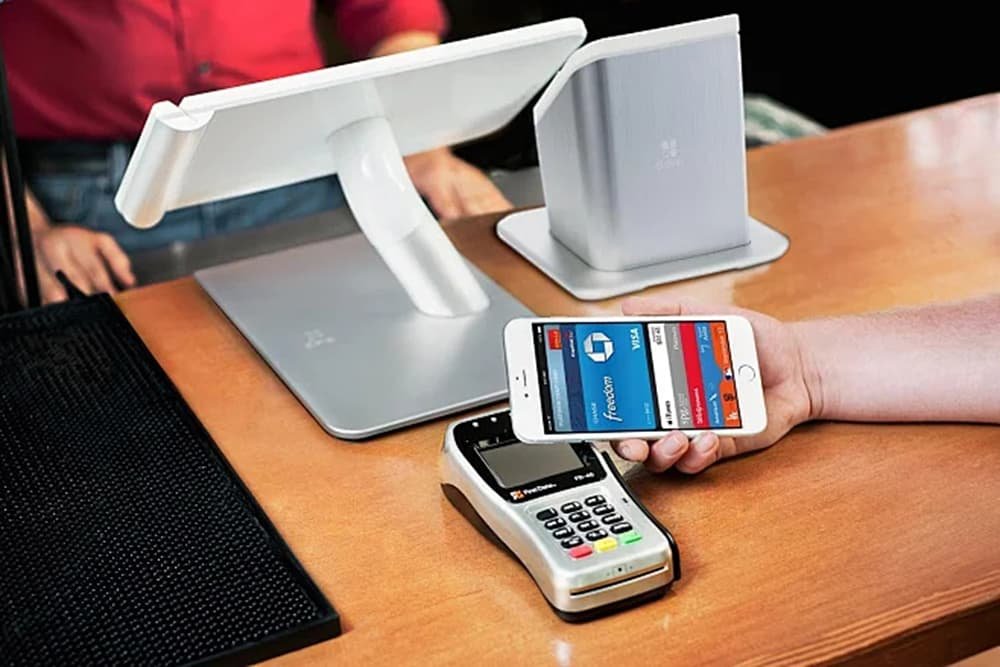
A POS system automatically records every transaction that takes place in a business. Each sale captures valuable details such as items purchased, time of purchase, payment method, and customer information if available. This automated data collection eliminates the need for manual entry, reducing errors and saving time. As a result, businesses can rely on accurate data when generating customer reports.
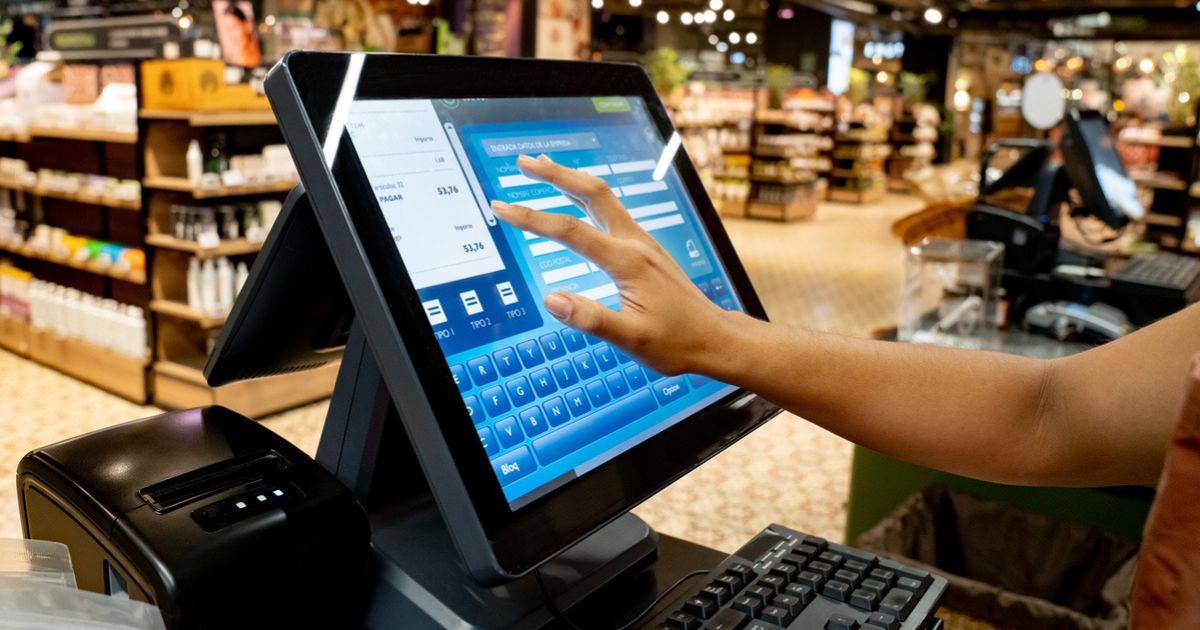
One of the main ways POS systems improve customer reporting efficiency is through automation. Traditional reporting methods often involve manual data collection, spreadsheets, and time-consuming calculations. POS systems, on the other hand, generate reports instantly with just a few clicks. This allows business owners and managers to access real-time information without delays. Quick access to reports means faster decision-making and improved responsiveness to customer needs.
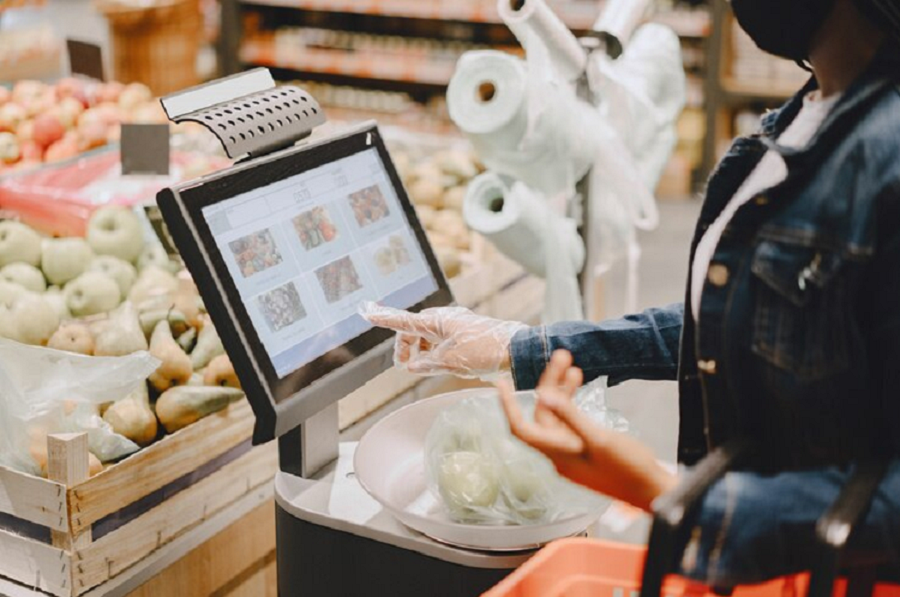
Another key benefit is the organization of data. POS systems store all customer-related information in a centralized database. This makes it easy to retrieve and analyze data whenever needed. Instead of searching through multiple files or systems, businesses can access everything in one place. Organized data not only saves time but also ensures consistency and reliability in reporting.
POS systems also offer customizable reporting features. Businesses can generate reports based on specific criteria such as customer purchase history, frequency of visits, or spending patterns. This flexibility allows businesses to focus on the data that matters most to them. For example, a retail store can analyze which customers are frequent buyers, while a restaurant can track repeat visits and popular menu choices. These insights help businesses tailor their strategies to meet customer expectations.
Real-time reporting is another major advantage of POS systems. Businesses no longer need to wait until the end of the day or week to review customer data. With real-time access, they can monitor customer activity as it happens. This is especially useful during peak hours or promotional events. If a certain product is performing well, businesses can quickly adjust their inventory or marketing strategy to maximize sales.
Accuracy is essential in customer reporting, and POS systems greatly improve it. Manual processes are prone to human errors such as incorrect entries or miscalculations. POS systems automate calculations and data recording, ensuring that reports are precise and dependable. Accurate reports lead to better decision-making and help businesses avoid costly mistakes.
POS systems also enhance efficiency by integrating with other business tools. Many systems can connect with customer relationship management (CRM) software, accounting systems, and marketing platforms. This integration allows seamless data sharing across different departments. For instance, customer data collected through the POS system can be used to create targeted marketing campaigns or improve customer service strategies.
Another important aspect is time-saving. Generating detailed customer reports manually can take hours or even days. POS systems significantly reduce this time by providing ready-made reports. Employees can focus on more important tasks such as customer service and business development instead of spending time on administrative work.
Furthermore, POS systems help businesses identify trends and patterns in customer behavior. By analyzing reports, businesses can understand what customers prefer, when they shop, and how much they spend. These insights allow businesses to make data-driven decisions, improve product offerings, and enhance the overall customer experience.
In conclusion, POS systems play a vital role in improving customer reporting efficiency. Through automation, real-time data access, accuracy, and seamless integration, they simplify the reporting process and provide valuable insights. Businesses that leverage POS systems can save time, reduce errors, and make smarter decisions. Ultimately, efficient customer reporting leads to better service, stronger customer relationships, and long-term business growth.