The Role of POS Systems in Scaling Your Retail Business

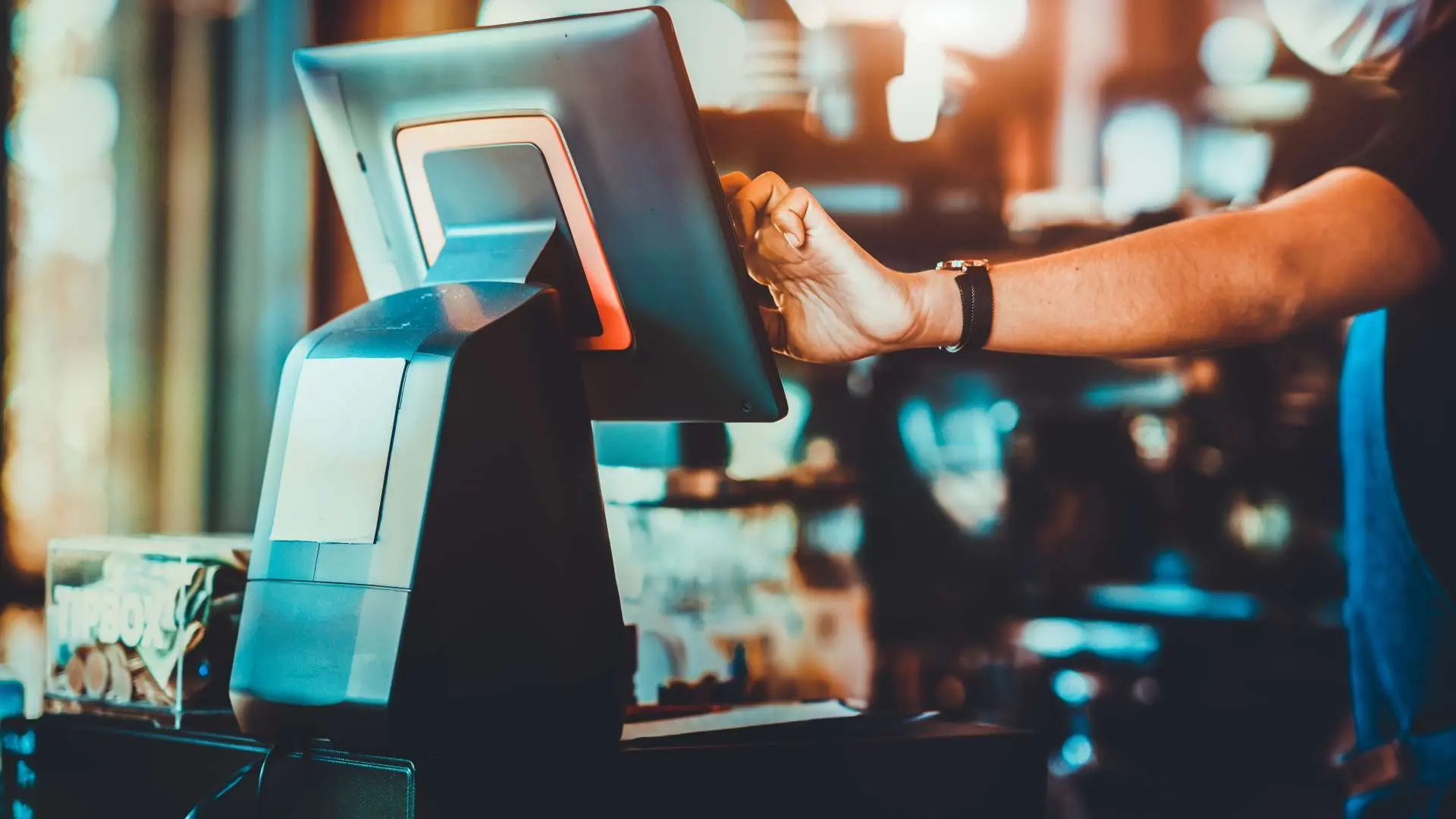
In today’s competitive retail landscape, growth isn’t just about having great products or loyal customers — it’s about operating efficiently, understanding data, and delivering a seamless shopping experience. One of the most powerful tools helping retailers achieve these goals is the Point of Sale (POS) system. Far more than just a cash register, a modern POS system acts as the nerve center of your retail operations, helping you scale your business smartly and sustainably.
1. Streamlining Sales and Checkout Processes
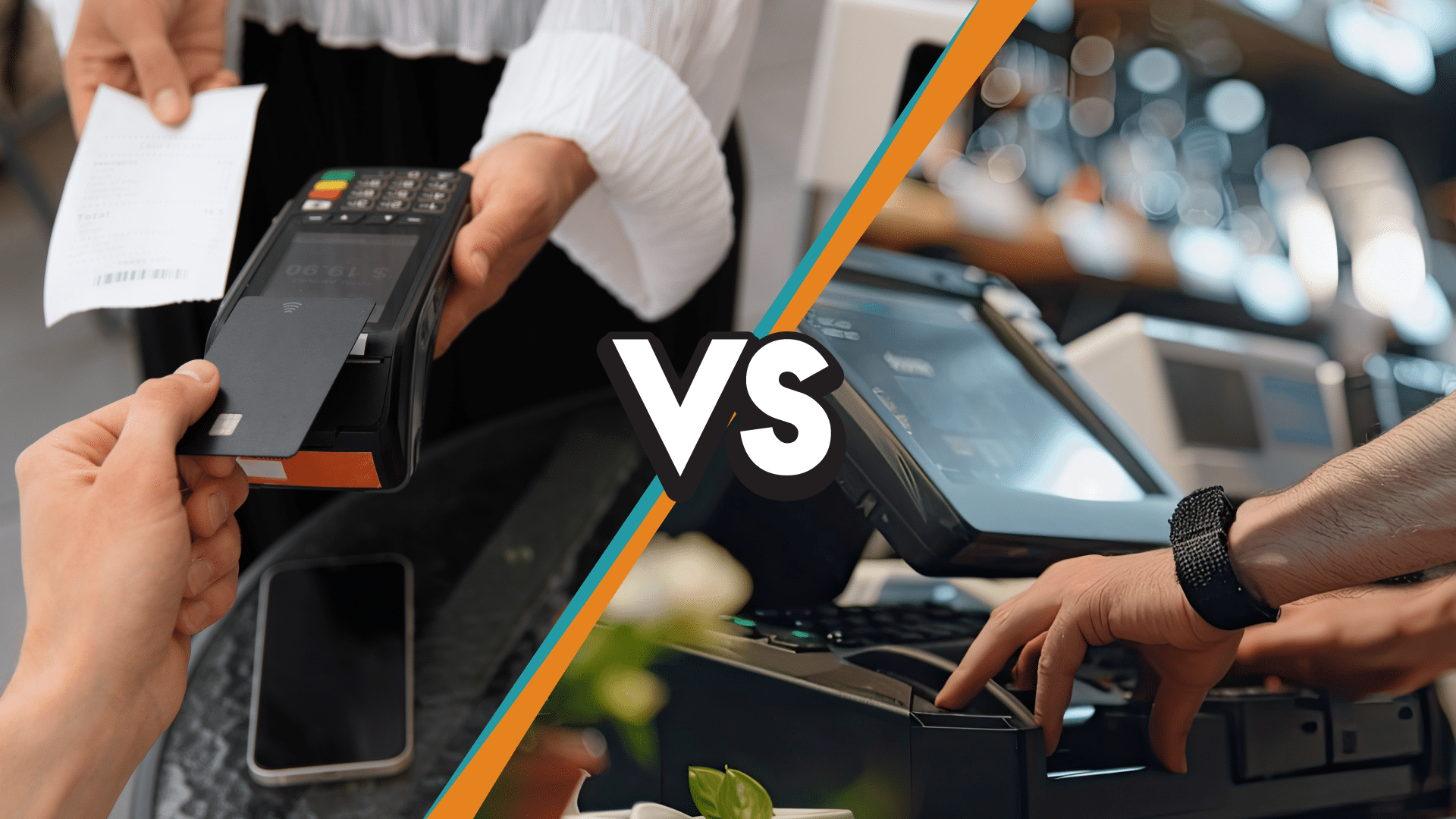
At its core, a POS system simplifies transactions. Traditional manual methods — handling cash, calculating totals, and tracking sales — can be time-consuming and error-prone. A digital POS system automates these processes, allowing for faster checkouts, accurate billing, and reduced human errors.
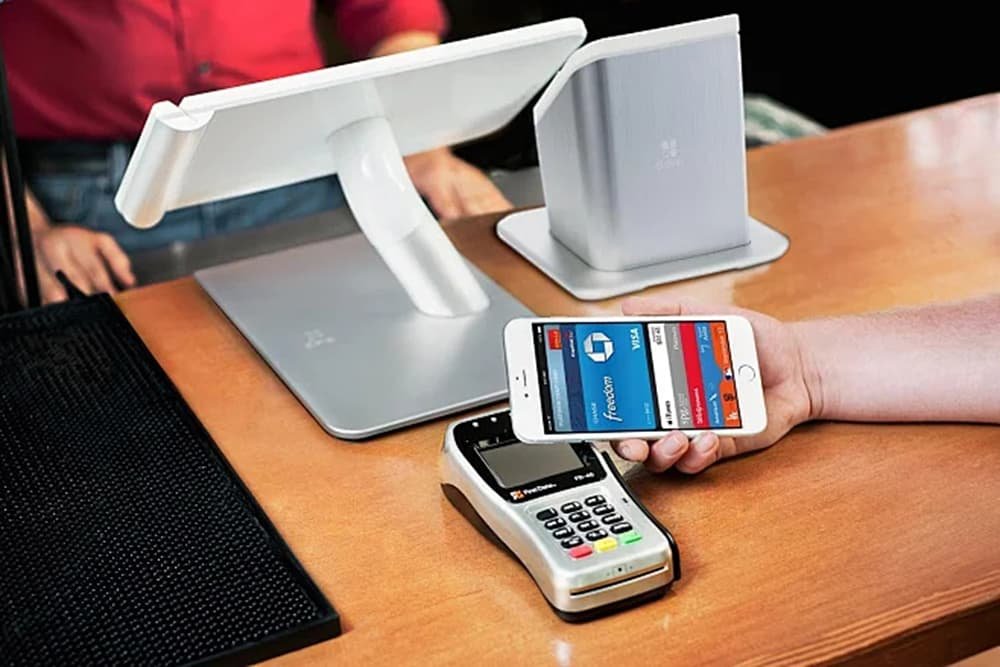
This efficiency not only improves employee productivity but also enhances the customer experience. Long queues and slow payments are major turn-offs for shoppers. A modern POS with contactless and mobile payment options keeps lines moving and customers happy — a vital factor for any growing retail business.
2. Centralized Inventory Management
One of the biggest challenges retailers face when scaling is keeping track of stock across multiple locations. With a smart POS system, your inventory data is updated in real time every time a sale is made. You can instantly see what’s selling, what’s low in stock, and what products are sitting idle.
This visibility allows you to make informed decisions about reordering, pricing, and promotions. Some advanced POS platforms even send automatic low-stock alerts or generate purchase orders for suppliers. For multi-store retailers, centralized inventory control ensures that every outlet has what it needs — no overstocking, no stockouts, just optimized supply chain management.
3. Data-Driven Business Insights
As your business grows, gut feelings are no longer enough to guide decisions. A POS system provides valuable data analytics and reporting tools that turn every sale into actionable insight.
You can track sales trends by time, location, or product category, helping you identify your best sellers and underperforming items. You can also analyze customer buying patterns, peak shopping hours, and employee performance. These insights allow you to fine-tune operations — from staffing and pricing to marketing campaigns — ensuring that every move contributes to your bottom line.
4. Enhancing Customer Relationships
Scaling a business isn’t just about finding new customers; it’s also about keeping the existing ones loyal. A modern POS system doubles as a customer relationship management (CRM) tool, storing valuable data such as purchase history, preferences, and contact details.
This data can be used to create personalized offers, loyalty programs, and targeted promotions, which help strengthen customer relationships and boost repeat sales. When your customers feel recognized and rewarded, they’re more likely to return — and even recommend your store to others.
5. Multi-Channel Integration
The line between online and offline shopping is blurring fast. Today’s successful retailers operate in both worlds. A cloud-based POS system integrates seamlessly with e-commerce platforms, marketplaces, and mobile apps, giving you a unified view of sales, inventory, and customers across all channels.
This means if a customer buys online and chooses in-store pickup, your system automatically updates inventory and sales data. This kind of omnichannel integration is essential for scaling, as it ensures consistent service and accurate reporting across every point of contact.
6. Improved Employee Management
A growing retail business often means a larger team — and managing that team efficiently is critical. POS systems can track employee performance, working hours, and sales metrics, giving you clear visibility into who your top performers are and where additional training might be needed.
Some systems also include access control features, ensuring that only authorized staff can perform sensitive operations like refunds or discounts. This helps maintain accountability and reduces losses due to errors or misuse.
7. Scalability and Future-Readiness
Modern POS systems are built to scale with your business. Whether you open new branches, add new product lines, or expand into new regions, a cloud-based POS allows you to manage everything from a single dashboard. You can easily add new terminals, users, or locations without the need for major IT overhauls.
Moreover, as POS technology evolves — incorporating AI, mobile capabilities, and advanced analytics — your system can adapt to changing market demands, keeping your business future-ready.
Conclusion
In an era where retail success depends on speed, accuracy, and data-driven decisions, a POS system is no longer a luxury — it’s a necessity. By streamlining operations, improving customer engagement, and providing real-time insights, POS systems empower retailers to scale confidently and sustainably.
Whether you’re a single-store boutique or a growing retail chain, investing in the right POS system is one of the smartest moves you can make to propel your business to the next level.